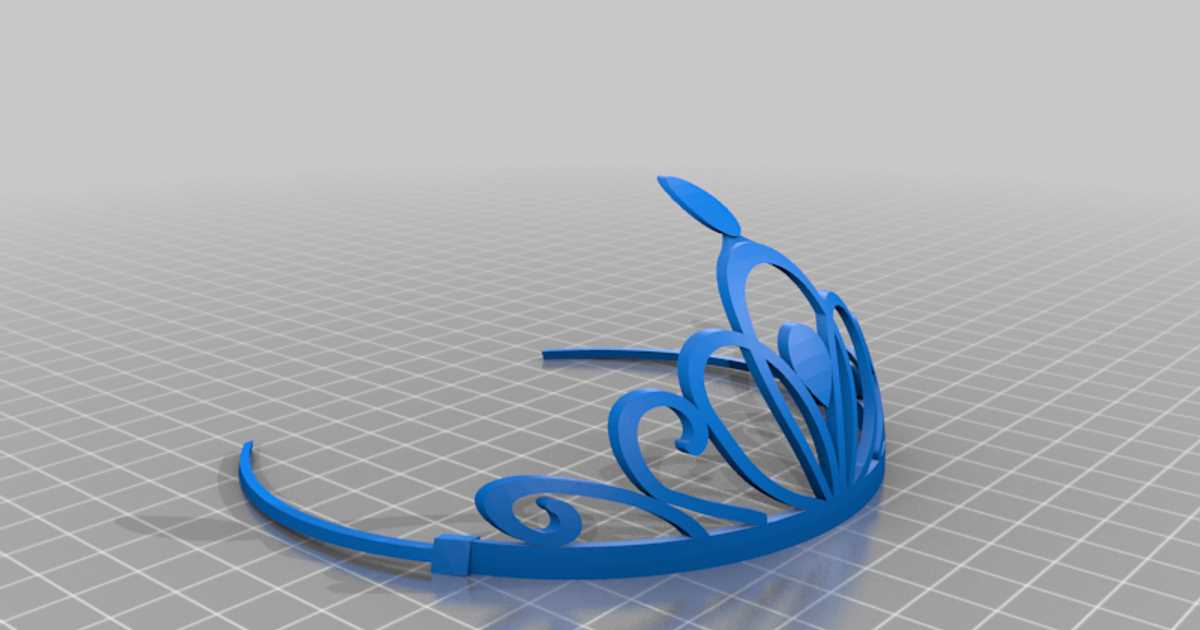
Choosing the Right Design
When creating a regal headpiece for personal use or cosplay, it’s crucial to select a model that matches your vision. Look for designs that combine intricate details and structural strength. A good head accessory should balance ornamental flourishes with practicality, ensuring it’s wearable and durable. Consider models that include support structures, making it easier for the material to hold its shape when printed.
Materials for Durability
- PLA: A reliable material for beginners, PLA offers ease of printing and smooth finishes. However, it may not be the most durable choice for intricate or delicate designs.
- ABS: Known for its sturdiness, ABS is perfect for headpieces meant to withstand handling. Its resilience makes it a good choice for more functional or long-lasting designs.
- Resin: Ideal for high-detail creations, resin can produce sharp and fine features but may require additional post-processing to improve durability and flexibility.
Ensuring a Perfect Fit
When choosing a design, always check that the model is scalable. A well-designed headpiece should offer easy resizing features, especially if it’s being created for different head sizes. Many models are adjustable by modifying the inner circumference or using additional support bands, ensuring a perfect fit for most users.
Optimizing the Print Settings
Fine-tuning your printer settings is key to achieving a quality outcome. For high-detail models, increase the resolution to capture fine features such as filigree or gemstone embellishments. However, higher resolution may increase printing time, so finding a balance between quality and speed is important.
- Layer height: A smaller layer height (0.1 mm or less) will result in smoother surfaces, but take longer to print. Use a larger layer height for faster prints with slightly less detail.
- Infill density: For a sturdy end product, choose a higher infill density (around 40-60%). This will ensure strength, especially in the crown’s peaks and decorative elements.
- Supports: Use support structures for overhanging details. These can be removed easily after printing, leaving a clean finish.
Post-Processing and Finishing Touches
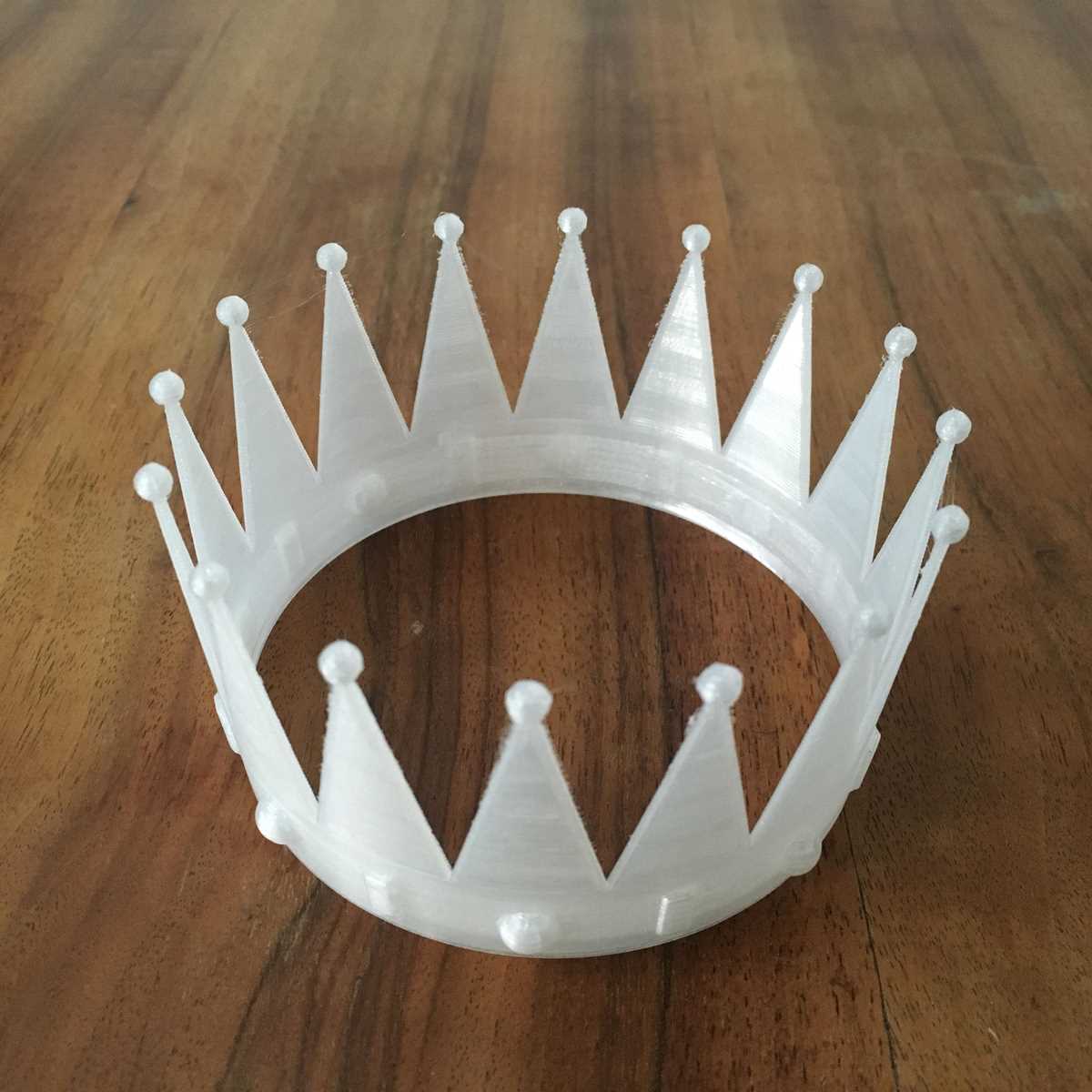
After the print is complete, carefully remove any support structures. Sanding and smoothing the surface with fine-grit sandpaper will give the model a polished look. If you want a metallic or shiny finish, consider applying a coat of paint or a metallic powder. These touches can elevate your creation from a basic model to a stunning masterpiece.
Adding gems or LEDs can further enhance the headpiece, creating a more dramatic effect, especially if you plan on using it for events or photoshoots.
3D Printed Royal Headpiece
To create a highly accurate and customizable royal headpiece, select a filament that offers durability and a smooth finish. PLA is commonly used for its ease of printing and rigidity, while PETG ensures flexibility and resistance to impact. For intricate designs with finer details, choose a resin-based material compatible with SLA printers for superior resolution.
For precise measurements, it’s important to scale the design to fit the wearer’s head. Many online platforms offer customizable templates with adjustable sizing. Consider adding small, adjustable segments or using a flexible material for a comfortable, secure fit. Pay attention to design elements like filigree patterns or raised accents, as they may require additional support during the process. After printing, smooth the surface using sandpaper or resin coatings to enhance the visual appeal and durability.