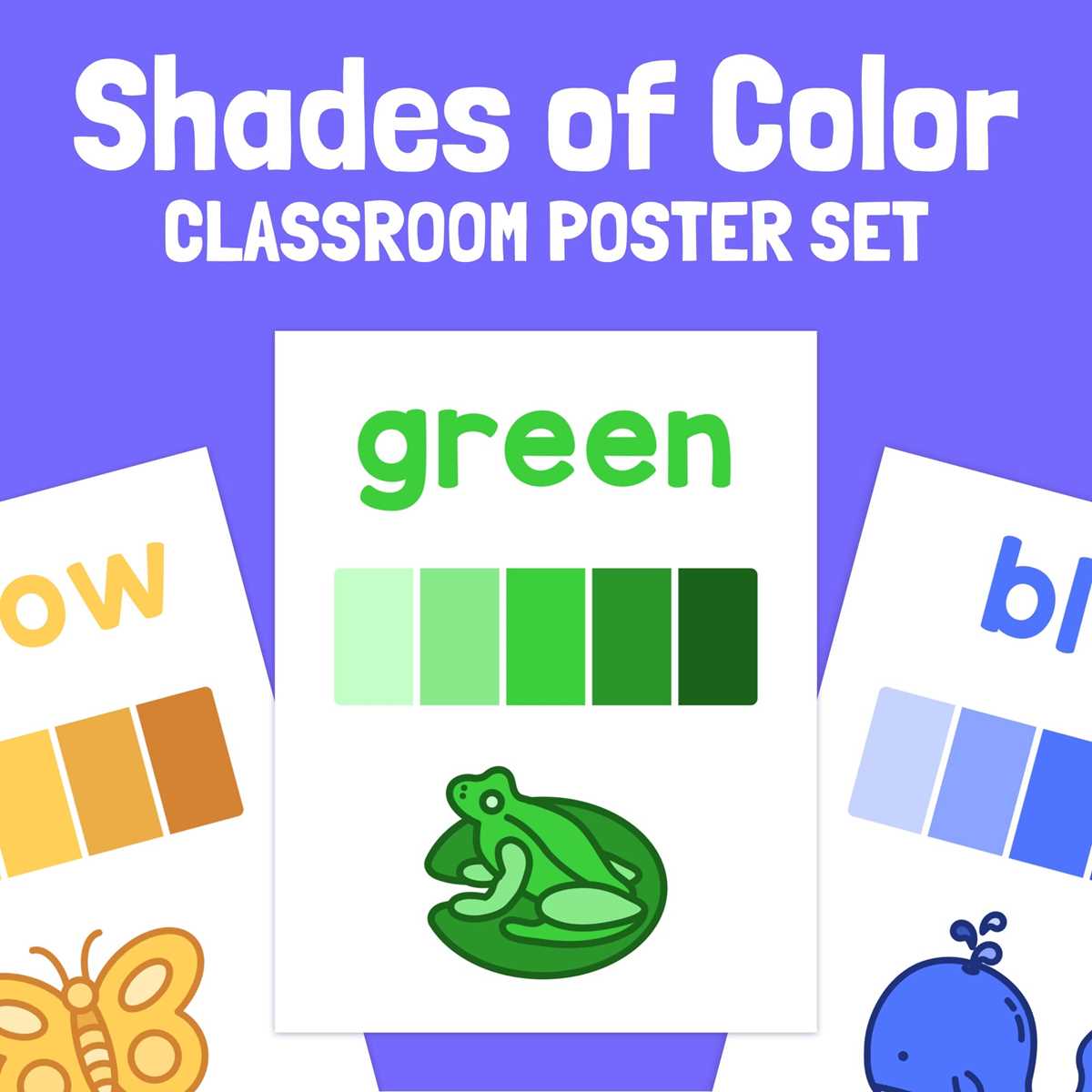
If you’re looking to enhance your child’s learning experience, a simple and effective way is by using a visual chart filled with bright hues. Such a tool can quickly introduce children to basic shades, making it easier for them to identify and remember them. Whether for a classroom or at home, these visuals help children develop color recognition skills in a fun and interactive way.
To create an engaging experience, you can print out an educational chart that not only features primary colors but also incorporates secondary shades. The key is to make sure the design is clear and appealing, which can further encourage children to interact with the material. Bright backgrounds, large color blocks, and a variety of hues will make it more exciting for young learners.
Once printed, these charts can be displayed on walls, used during playtime, or incorporated into educational games. It’s also helpful to create additional activities around them–like coloring or sorting objects by color–making it a versatile learning tool that can grow with your child’s skills and understanding.
Using Visual Learning Tools for Shade Recognition
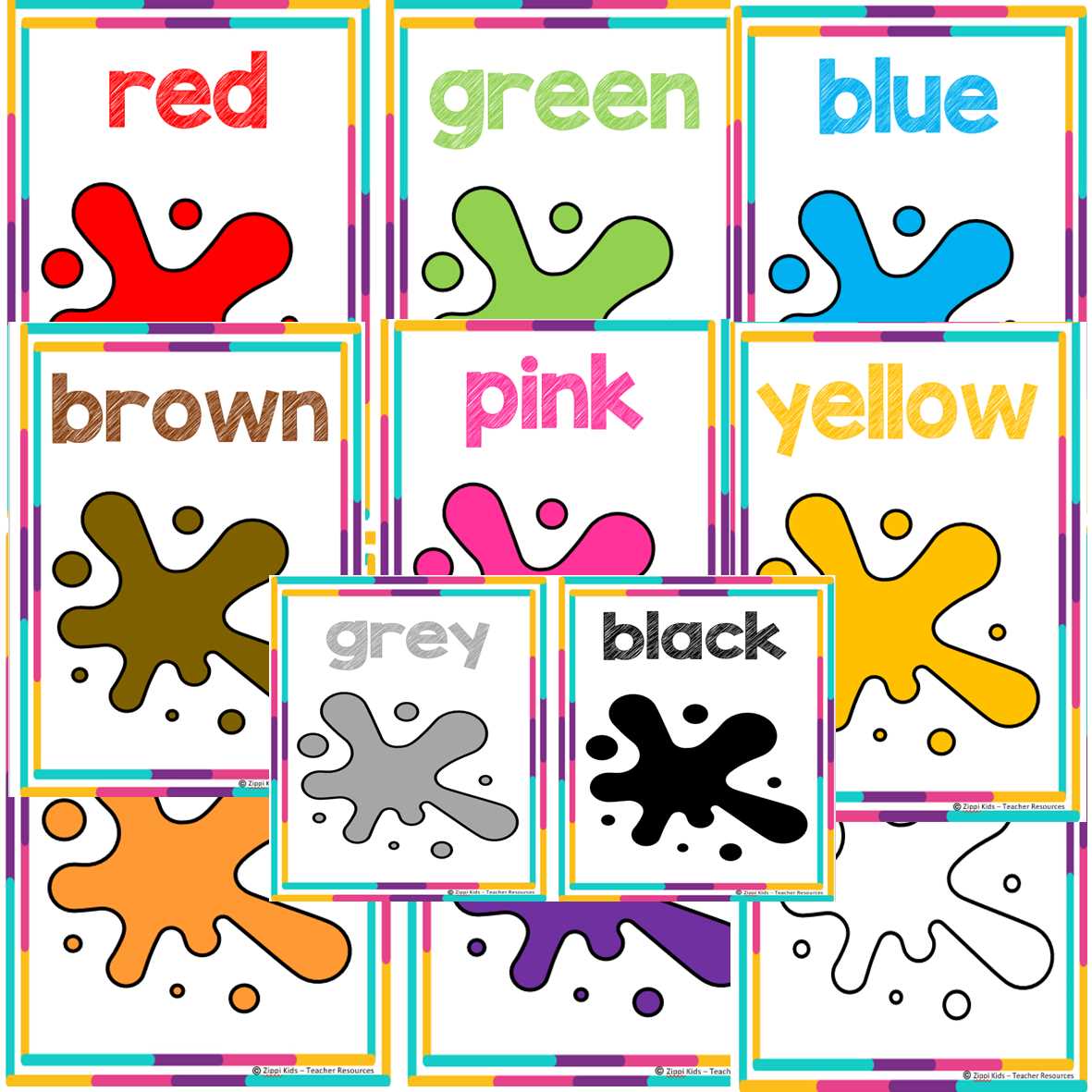
Start by creating an engaging learning tool that highlights the different hues. Ensure that it features a wide range of shades–primary, secondary, and tertiary. This will allow learners to understand not only the basics but also how colors mix to create new ones. When designing, opt for a simple layout to avoid overwhelming children with too much information.
Once the chart is ready, print it on high-quality paper for durability. You can laminate it for repeated use or frame it for a more permanent display. This will make it more resilient to wear and tear, especially if you’re using it in a classroom setting or a busy home environment.
Hang the chart at eye level in a well-lit area. The more accessible and visible it is, the more likely children will engage with it throughout the day. If you’re working in a classroom, you can even rotate charts to focus on different learning objectives or colors, keeping the material fresh and engaging.
Incorporate interactive activities that involve matching objects around the room to the corresponding shades on the chart. This can help reinforce what children are seeing and make the learning experience more hands-on. Encourage them to identify colors in their environment to further strengthen their recognition skills.
Finally, consider making the chart customizable, allowing for adjustments or new additions over time. As children advance in their understanding, you can introduce more complex concepts, like tints and tones, or create separate charts for warm versus cool shades. This will make your learning resource versatile and adaptable to growing knowledge levels.
How to Create a Colorful Display for Classroom Use
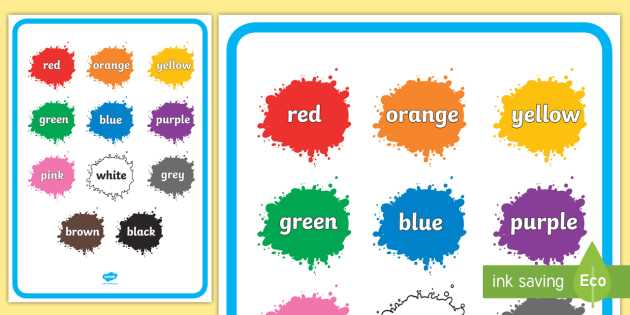
Begin by selecting a theme or focus for your display, such as basic shades, complementary hues, or color mixing concepts. Pick a set of tones that will be visually engaging and educational, ensuring there’s a balance between light and dark shades to make the overall design appealing and easy to read.
Use large, bold fonts for key terms and simple shapes or icons to visually represent each shade. This helps reinforce the learning process, as the shapes can act as visual cues to associate with the various hues. Keep the text minimal to avoid clutter and allow the colors to take center stage.
To enhance the look, incorporate various materials such as textured paper or fabric for a more interactive feel. Laminating elements or adding borders can give a more polished look and prevent damage from frequent handling. Ensure that all pieces are securely attached to avoid them coming off after being mounted.
Arrange the display in a way that is easy for children to engage with. For example, placing the shades in rows or gradients can allow them to understand the relationship between lighter and darker variations. You can also create interactive sections where children can add stickers or objects matching the displayed hues.
Once your display is finished, place it in a highly visible area, such as near the classroom entrance or above a central activity area. The more accessible the display is, the more frequently students will interact with it, reinforcing their learning throughout the day.