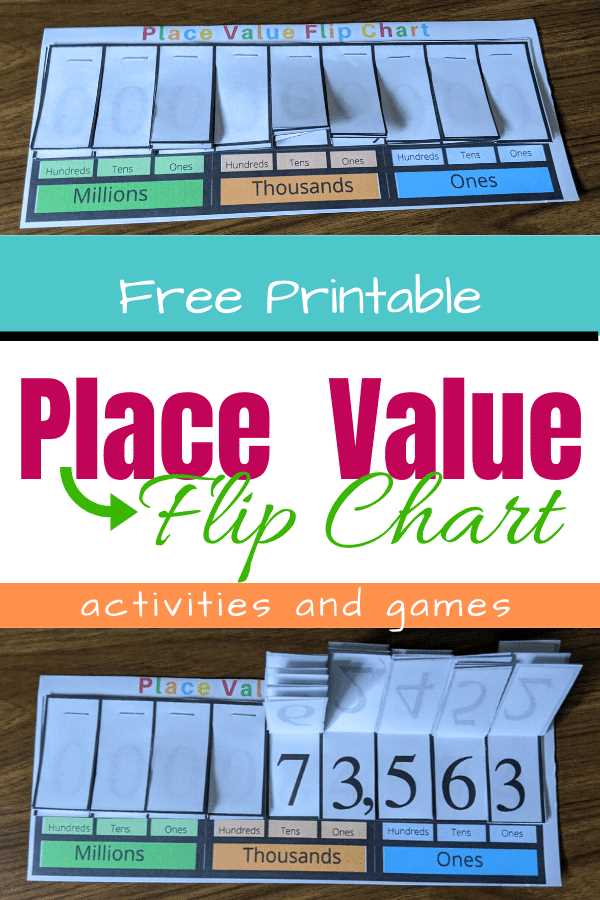
Mastering the organization of numbers into their specific components can make it easier to grasp the structure and place of each digit. By clearly distinguishing between positions for units, tenths, hundredths, and thousandths, one can improve both basic arithmetic skills and the ability to understand more complex calculations involving fractions or continuous measurements.
Breaking Down the Organization of Digits
When working with a system that uses fractional parts, it’s important to structure numbers into columns that reflect each digit’s significance. This method simplifies tasks such as rounding or comparing numbers. To achieve clarity, each digit is assigned to a specific column that indicates its magnitude in relation to other numbers. The number 0.345, for example, is composed of 3 tenths, 4 hundredths, and 5 thousandths, each represented in its own designated space. By adhering to a standard format for organizing numbers, students or professionals alike can quickly and accurately understand numerical values.
Columns for Integer and Fractional Parts
The integer portion of a number is arranged in columns from left to right starting with the ones place. As you move left, you progress through tens, hundreds, and so on. After the decimal separator, digits are positioned according to their fractional value, starting with tenths, then hundredths, thousandths, etc. This alignment visually reflects the relative size of each place, which is essential for understanding precision when performing calculations.
Helpful Tips for Proper Placement
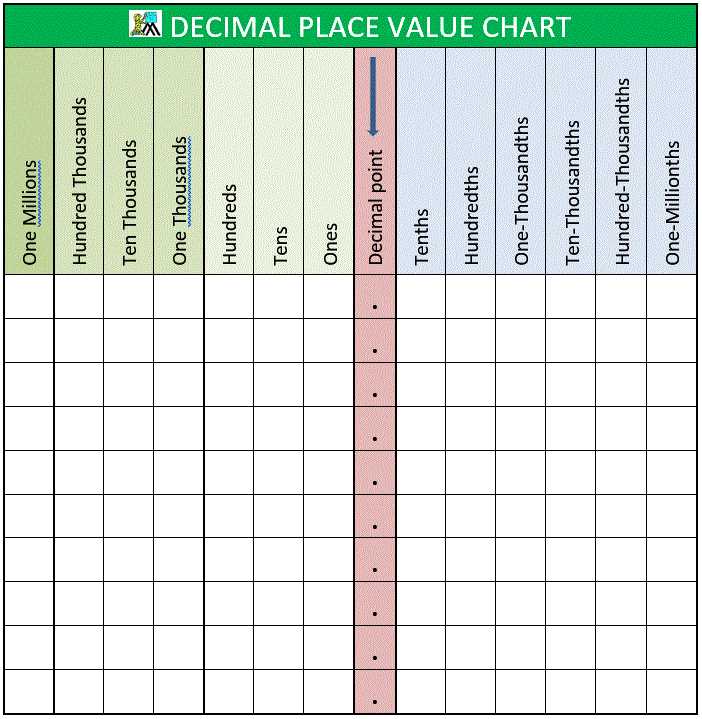
- Ensure that each column accurately represents its value by spacing out digits properly.
- For larger numbers, break them into smaller sections to avoid confusion and errors.
- For clarity in addition or subtraction, align the decimal separator across all numbers involved in the calculation.
Applications of Structured Numbers in Everyday Use
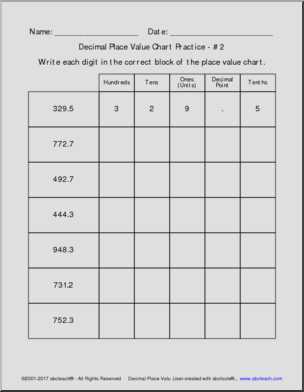
This structured representation is not just useful in academic or theoretical contexts. It has real-world applications, especially when dealing with measurements, finances, or scientific calculations. In such fields, even the smallest discrepancy in placement could lead to significant errors. By organizing numbers precisely and adhering to consistent formatting, you can ensure accuracy in everyday tasks such as budgeting, managing distances, or estimating quantities in recipes or projects.
In conclusion, being mindful of the correct arrangement of digits and their place in a number is a critical skill for various practical and academic purposes. Whether you’re learning mathematics or handling complex data sets, using a clear method of structuring numbers can lead to more accurate results and a better understanding of how different values relate to each other.
Understanding Number Organization for Fractional Units
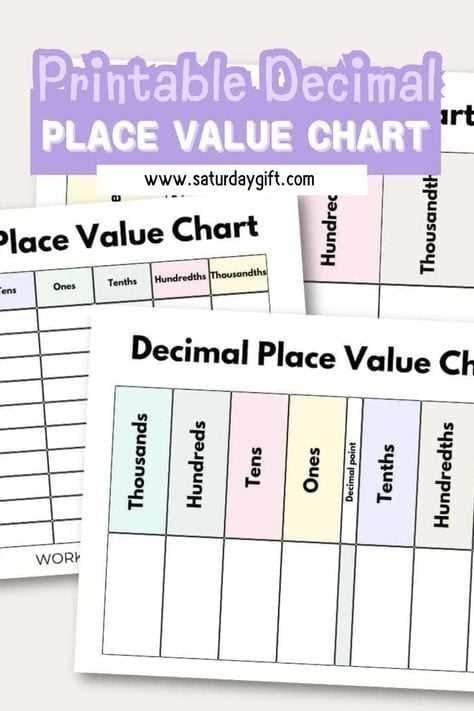
To improve numerical comprehension, create an arrangement that clearly separates each digit according to its significance. For instance, place units, tenths, hundredths, and thousandths in their respective columns. This separation helps learners identify the role of each digit in a multi-digit number.
The setup is simple and highly effective. Start by organizing the structure into distinct sections: whole numbers on the left and fractional parts on the right. This clarity ensures each component of the number is easily recognizable, supporting both basic and advanced calculations.
It’s crucial that the intervals between each position are consistent, promoting better understanding of how values shift with each digit. This format is particularly useful for exercises involving division, multiplication, and converting fractions into simpler forms.
Using this arrangement during practice sessions can also assist in reinforcing concepts like rounding and estimating. It becomes easier to spot rounding points and gauge approximate values when you understand how each digit interacts within its place.
Once you have the structure laid out, consider including examples or exercises. This hands-on approach solidifies the concept, offering students the chance to visualize and manipulate numbers within their proper segments.