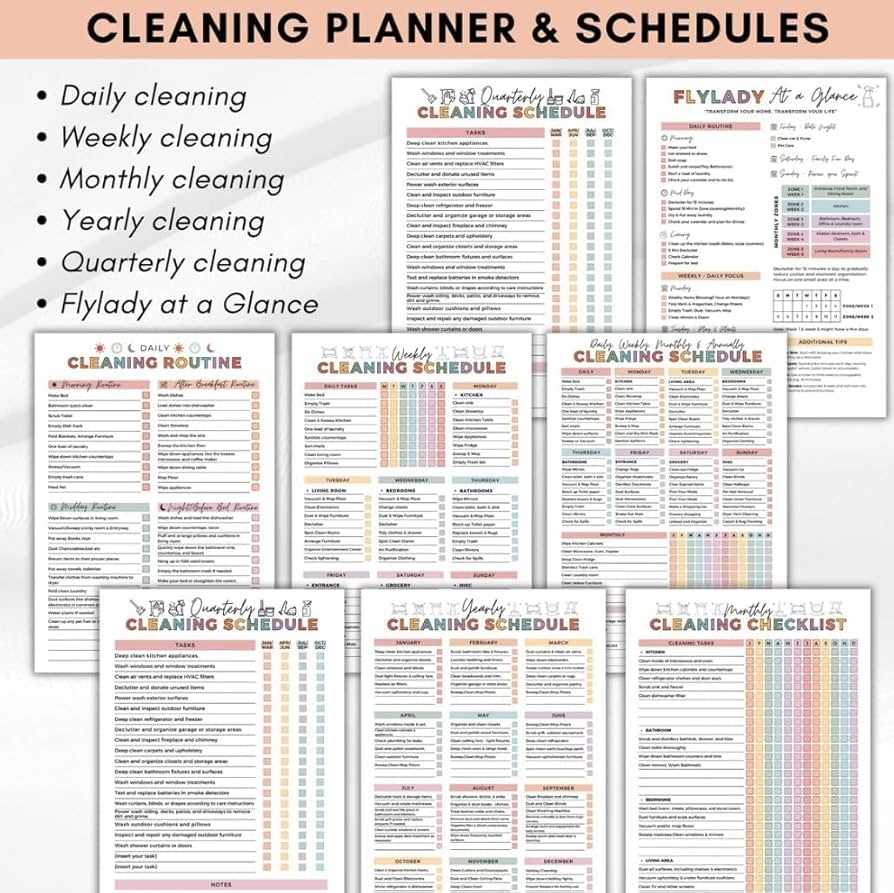
Start by setting clear, manageable goals for your environment. Break down the process into small, achievable steps so you don’t feel overwhelmed. A well-organized sheet can help you stay on track by giving you a structured list of tasks to follow. Instead of focusing on the entire room, prioritize one area at a time. For example, start with the kitchen or the living room, then move to smaller areas like your desk or closet.
Breaking Tasks into Actionable Steps
To maintain focus, list tasks in a specific order. For instance, begin with simple actions like “make bed” or “clear the countertop.” These small wins will motivate you to tackle bigger tasks. As you finish each item, mark it off. This provides a sense of accomplishment and encourages you to keep going. For deeper cleaning tasks, set a specific time frame, such as 15 minutes for organizing books or sorting through paperwork. Use the list to ensure you don’t miss any important tasks.
How to Stay Motivated
One of the best ways to keep going is by turning these tasks into habits. Set a reminder to go over your list daily and add new tasks as needed. Try to tackle tasks in batches–perhaps 3 to 5 tasks at a time–so you don’t feel the pressure to finish everything in one go. Breaking tasks into smaller portions will make it easier to approach them without stress, and you’ll be more likely to complete the tasks over time.
Creating a System That Works for You
Your list should work for your unique needs. For some, visual reminders like sticky notes on walls or sticky notes on a digital calendar can keep you accountable. Others may prefer a digital task manager, which offers flexibility and easy tracking. Whatever method you choose, make sure it’s accessible and easy to update as you go.
Setting Realistic Expectations and Celebrating Progress
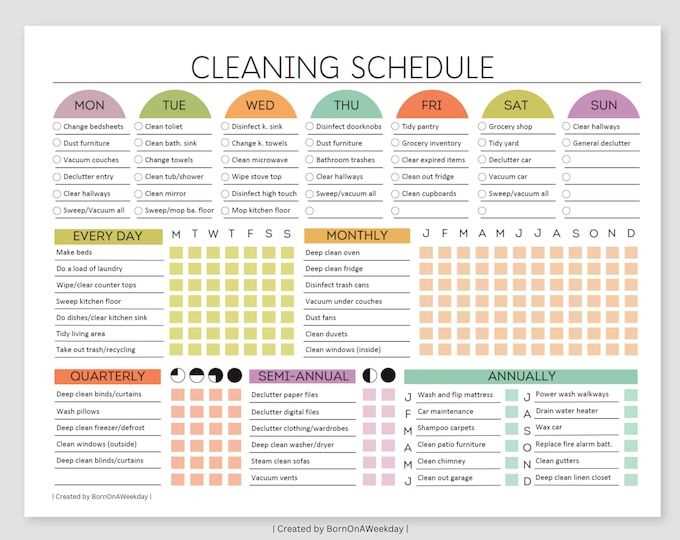
Set goals that are realistic for your schedule. If you know you only have 10 minutes between meetings or before dinner, create a list that can be achieved in that short time frame. Allow yourself time to rest when needed and celebrate small victories along the way. Keep in mind that organizing is an ongoing process, not a one-time event. As long as you consistently check tasks off your list, you’ll be moving forward toward a cleaner and more organized space.
Managing Tasks with a Structured List for Better Focus
Start by setting clear, specific tasks that you can accomplish in a short time. Instead of vague instructions like “clean the kitchen,” break it down into smaller, more defined steps such as “wipe down counters” or “load the dishwasher.” This will help reduce distractions and make it easier to stay on task. You’ll feel more accomplished as you check off each item.
Assign specific time blocks to each task. A 10-minute focus period for one task might be more productive than trying to clean an entire room at once. Set a timer and stick to it. If you don’t finish, mark it down for later or adjust your goal. Remember that each step counts, even if you don’t complete everything at once.
Prioritize Tasks Based on Need
It’s important to decide which chores require immediate attention and which can wait. Start with high-priority tasks, such as washing dishes or picking up garbage. Once these are done, move on to less pressing items like organizing books or rearranging a shelf. Use a method that works for you, such as tackling the messiest area first or organizing by room.
Include Fun Tasks to Maintain Motivation
Make your task list more engaging by including tasks that you enjoy. For instance, you might find joy in organizing your favorite books or placing new decor in your living room. This helps maintain motivation and prevents the feeling of monotonous chores. The goal is to make cleaning feel less like a burden and more like an activity you can look forward to.
Break Up the Day with Small Wins
Large tasks can feel overwhelming. Try focusing on one small task at a time, such as organizing one drawer or folding a small pile of laundry. Breaking down big tasks into manageable steps makes it easier to get started and stay on track. Small wins lead to larger accomplishments and create a sense of progress, even if the entire space is not cleaned all at once.
Track Progress and Adjust Goals as Needed
Use your list as a tool to track your progress. Write down what you’ve already accomplished and what’s still pending. Tracking gives you a visual representation of your hard work and helps you stay focused. If something isn’t working, adjust the schedule or task list so that it’s more manageable. Over time, you’ll better understand how to pace yourself for success.
Make Your Space Work for You
Consider the layout and flow of the space you’re organizing. Tasks like rearranging furniture or adjusting storage solutions can improve the efficiency of your cleaning routine. Creating a space that is easier to maintain will reduce the number of times you need to go through the checklist and help prevent the buildup of clutter.
Reward Yourself for Consistency
Set a reward system for yourself when you meet your goals. After completing a set of tasks, give yourself time to relax, enjoy your favorite snack, or do something you love. This builds a positive association with the task list and reinforces good habits. Celebrating progress, even in small steps, keeps the momentum going and makes the process more enjoyable.