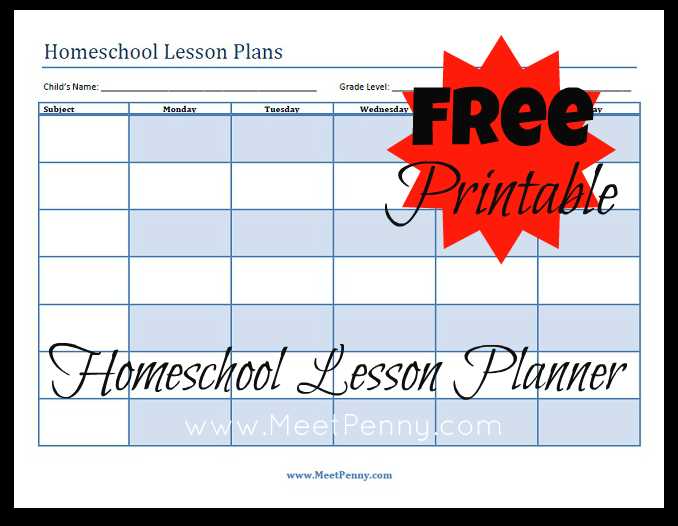
Start by selecting a simple framework that allows you to schedule daily tasks, track progress, and manage your time. A clear template will help you arrange subjects and activities based on priority, ensuring that nothing is overlooked. Customize the structure based on the needs of your child, whether that’s focusing more on creative subjects or math-heavy days.
How to Tailor Your Schedule for Different Age Groups
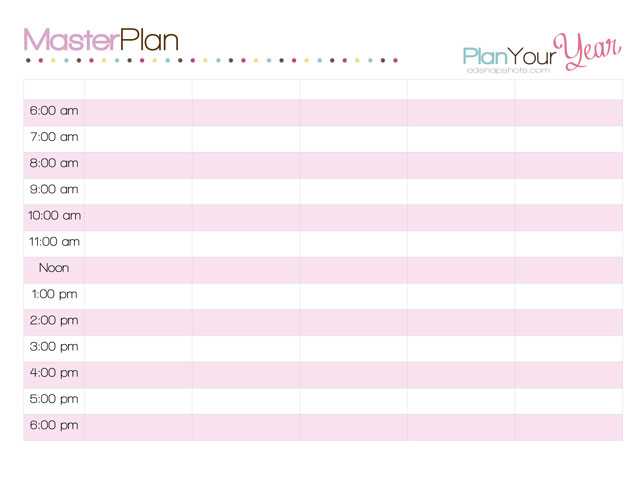
For younger learners, consider breaking down tasks into shorter, manageable chunks. Younger students often benefit from a balance of activities that involve hands-on projects, short lessons, and breaks. You can allocate specific times for subjects like reading, writing, or art, with simple checkboxes or bullet points to track completed tasks.
For older students, provide more detailed time blocks for individual subjects or specific projects. They may benefit from a layout that includes space for notes on assignments, upcoming tests, or long-term goals. Use a weekly format to give them a broader view of what’s ahead, while still keeping flexibility for unscheduled activities or free time.
Choosing the Right Layout for Your Daily Routine
Select a template format that fits your day. Some prefer a vertical layout with time slots, while others prefer a weekly grid to get a bigger picture of their week. Depending on your needs, a simple checklist might work best for tracking day-to-day tasks, or you may need a more comprehensive table to include extra notes, resources, or upcoming events.
If you prefer a more structured day, use time-based slots for each activity. These help in ensuring that each subject receives the necessary focus, and you can adjust the duration of tasks based on the student’s attention span. This is particularly useful for subjects like math or language arts, which may require more focus compared to others.
Alternatively, a subject-focused layout could be better suited for a relaxed or flexible approach. Grouping related tasks together under headings like “Math,” “Science,” or “History” allows for a less rigid structure, where time is spent as needed based on the day’s priorities.
Whichever structure you choose, be sure to leave room for personal adjustments, so you can update the schedule as the day progresses or when something urgent comes up. Keep in mind that a plan is a guide, not a fixed rule, and flexibility is important for a successful routine.
Creating Custom Educational Templates for Your Routine
Start by selecting a format that aligns with your daily schedule. A clear layout allows for quick planning and the ability to adapt as needed. You can divide the day into time slots, making it easy to allocate specific periods for different activities or subjects, ensuring a structured flow throughout the day.
Incorporate sections for specific tasks such as reading, writing, or math exercises. This helps in maintaining focus on each subject while allowing flexibility for longer or shorter durations based on the student’s engagement. Include space for notes to remind yourself of any additional activities or changes to the routine.
If you’re managing multiple students, choose a format that allows you to track individual progress. Create a column for each student to fill in or check off as tasks are completed. This can also be useful for keeping track of assignments or projects that require attention over time.
Consider weekly templates if you prefer seeing a broader picture. Organize the week by day or by subject, giving you flexibility in how tasks are grouped. Weekly planners help in preparing ahead for upcoming activities, so you’re not scrambling for materials or ideas last minute.
For a more visual approach, try incorporating charts or diagrams. A weekly progress chart or a section to visually track completed assignments can help students stay motivated and visually see their achievements. You could use color coding to highlight important tasks or upcoming deadlines.
In addition to the main schedule, it’s helpful to add a section for supplementary activities. Include space for field trips, extracurricular projects, or hands-on learning experiences that go beyond the core subjects. This not only breaks up the routine but also ensures you’re covering various aspects of education.
Don’t forget to leave space for reflection or feedback. This could be a section where you write down what went well during the day or any adjustments you might want to make. Reflection can be an important tool in ensuring the plan stays effective for both students and educators.
Lastly, regularly update your template based on feedback or new needs. As you progress through the curriculum, adapt the layout and structure to better suit the evolving schedule and goals. Flexibility ensures that your tools remain practical and beneficial over time.