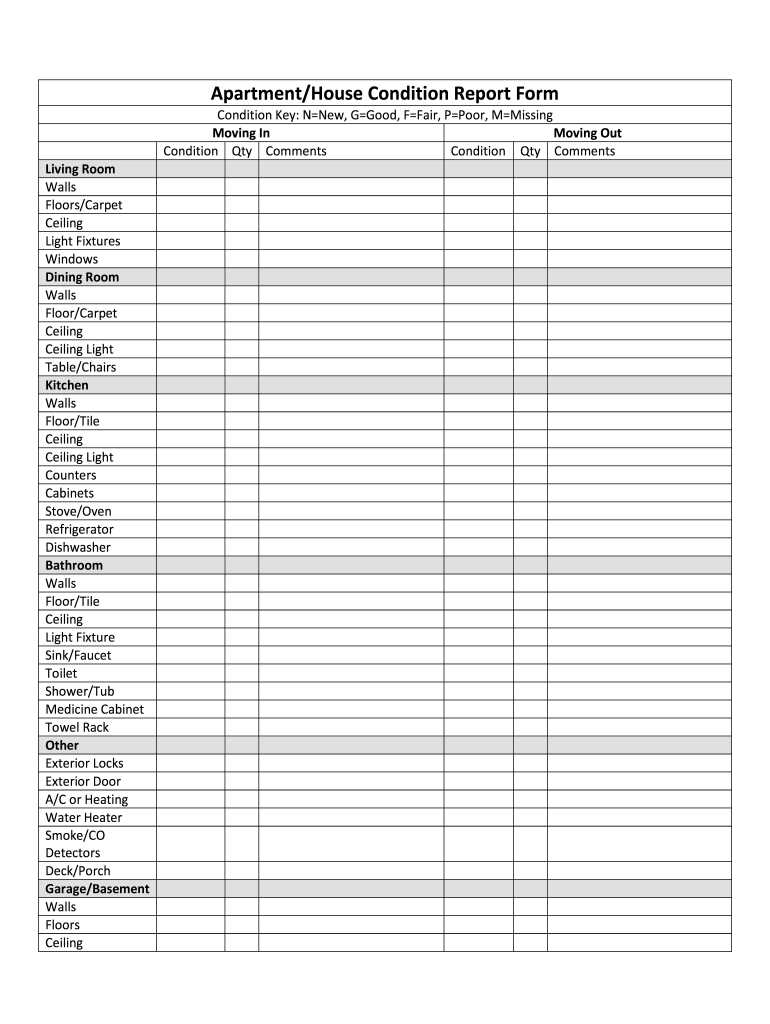
Start by creating a detailed list to track every task involved in your relocation. Write down all key activities like sorting, packing, and arranging transportation. Break each task into smaller actions to ensure nothing is overlooked. This approach will keep you on track and reduce the risk of forgetting something important.
Focus on organizing by categories–such as clothing, kitchenware, and furniture–to make packing simpler. Group items together to streamline the process and make it easier to unpack once you arrive at your new place. A solid plan will help you avoid last-minute chaos and unnecessary stress.
Consider adding deadlines for each task on your list. This gives you a timeline and ensures that you complete each step at the right time. Having a schedule will keep things moving steadily and help you stay ahead of potential issues that may arise.
Organizing Tasks for Your Relocation
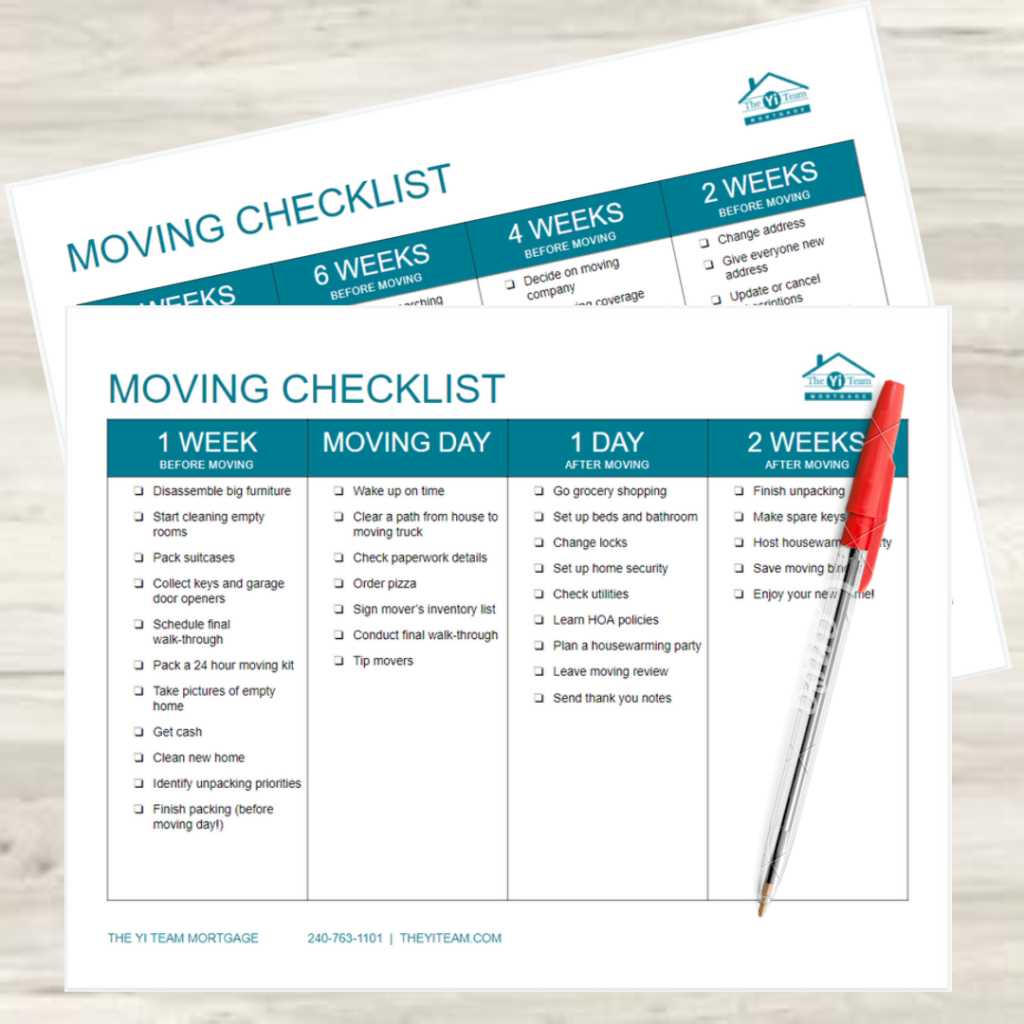
Begin by sorting your belongings into categories. This helps identify what to keep, sell, donate, or discard. Make sure to group items like clothes, kitchenware, and electronics. This step will make packing more organized and help reduce clutter.
As you pack, label every box with its contents and the room it belongs to. This small but crucial step will save time when unloading and setting up your new space. Additionally, prioritize the items you need immediately, such as toiletries, important documents, and a change of clothes, and pack them separately for easy access.
Create a schedule with dates for each step, such as packing non-essential items a week before the move. This timeline will ensure you stay on track and avoid rushing at the last minute. Assign specific tasks to family members or friends to share the workload and streamline the entire process.
How to Create a Moving Checklist for Packing and Organizing
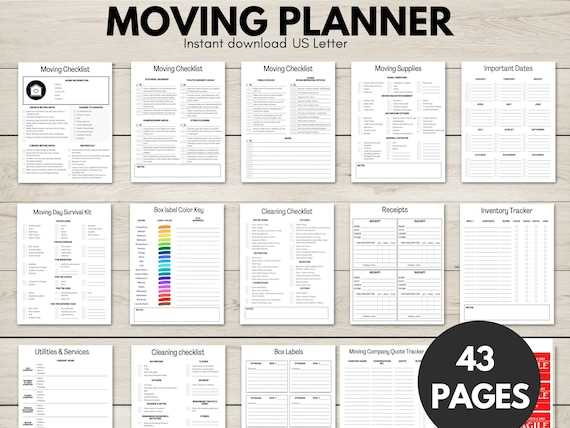
Start by dividing your home into sections based on rooms. Make a list for each space and assign specific tasks such as packing, labeling, and sorting. For example, in the kitchen, list all dishes, appliances, and utensils, while in the bedroom, note clothes, books, and bedding. This will help you stay organized and avoid packing similar items together.
Next, set deadlines for each task. Prioritize by packing non-essential items first and leave the most necessary things until closer to the moving date. Include tasks like notifying service providers, transferring utilities, and changing your address. Use a clear schedule to stay on track and avoid last-minute stress.