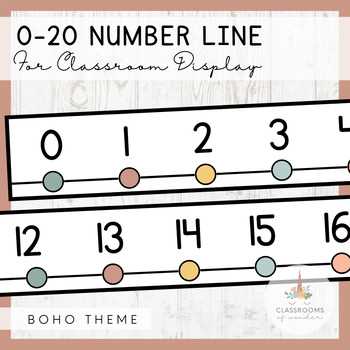
To teach children the basics of counting, print out a visual reference with numbers from 1 to 20. This tool helps young learners understand sequencing, order, and number recognition. It’s perfect for both home and classroom activities.
How to Set Up a Counting Chart for Early Math Skills
Start by selecting a clear, large printout with each number spaced evenly. You can print it on thick paper or even laminate it for durability. Having each digit visible and easy to read will help children associate the number with its place in the sequence.
Place this visual on the wall at the child’s eye level or on a desk for easy access. This makes it interactive–children can point at numbers while counting out loud, strengthening their number recognition skills. Pair it with physical objects like blocks or toys for hands-on learning.
Interactive Ways to Use the Chart in Learning Activities
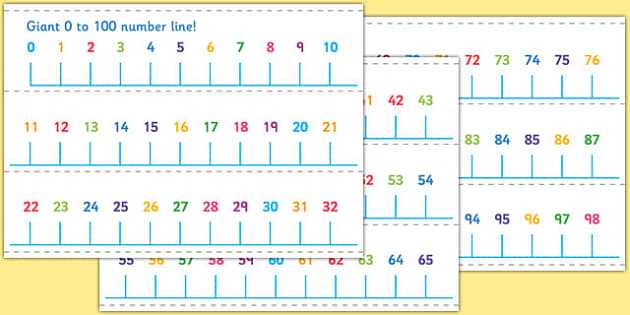
To make learning more engaging, use the guide in various activities. For example, challenge kids to count objects and place them next to the corresponding number on the printout. You can also ask children to skip count, identifying numbers by twos or fives.
Another fun approach is to turn it into a game. Ask children to find specific numbers and race to touch or point to them. This adds a sense of excitement and helps them learn quickly.
Once the child is comfortable with numbers up to 20, use the same format to introduce basic addition and subtraction by counting up or down with objects or fingers.
Using a Visual Sequence Tool from 1 to 20 for Early Learning
One of the most effective ways to teach young learners to count is by using a clear, visible chart that displays the sequence from 1 to 20. This tool helps kids grasp the concept of number order and recognize each digit as part of the whole series.
Print this chart in large format and make it visible at a child’s eye level. You can place it on a wall, a bulletin board, or even use it on a desk for easy access. This setup encourages interaction, allowing children to visually trace the sequence as they count aloud.
Color-coding the digits can also add an extra layer of engagement. For example, use different colors for each set of ten numbers or alternate colors for each number. This simple trick makes the chart visually stimulating and helps young learners focus on specific groups within the sequence.
For hands-on practice, encourage children to match everyday objects with the numbers on the chart. For example, count out 5 apples and place them next to the number “5” on the sequence. This builds a stronger connection between abstract numbers and tangible objects.
If you’re teaching addition or subtraction, the chart is a great visual aid. Have children count up from 1 to a chosen number, then skip ahead or back to demonstrate simple math concepts like adding one or subtracting one.
Once children are comfortable with the first 20 numbers, the chart can be used for more advanced activities, such as grouping numbers or identifying patterns. It’s a versatile tool that grows with the child’s learning process and can be used in various ways to reinforce basic math skills.