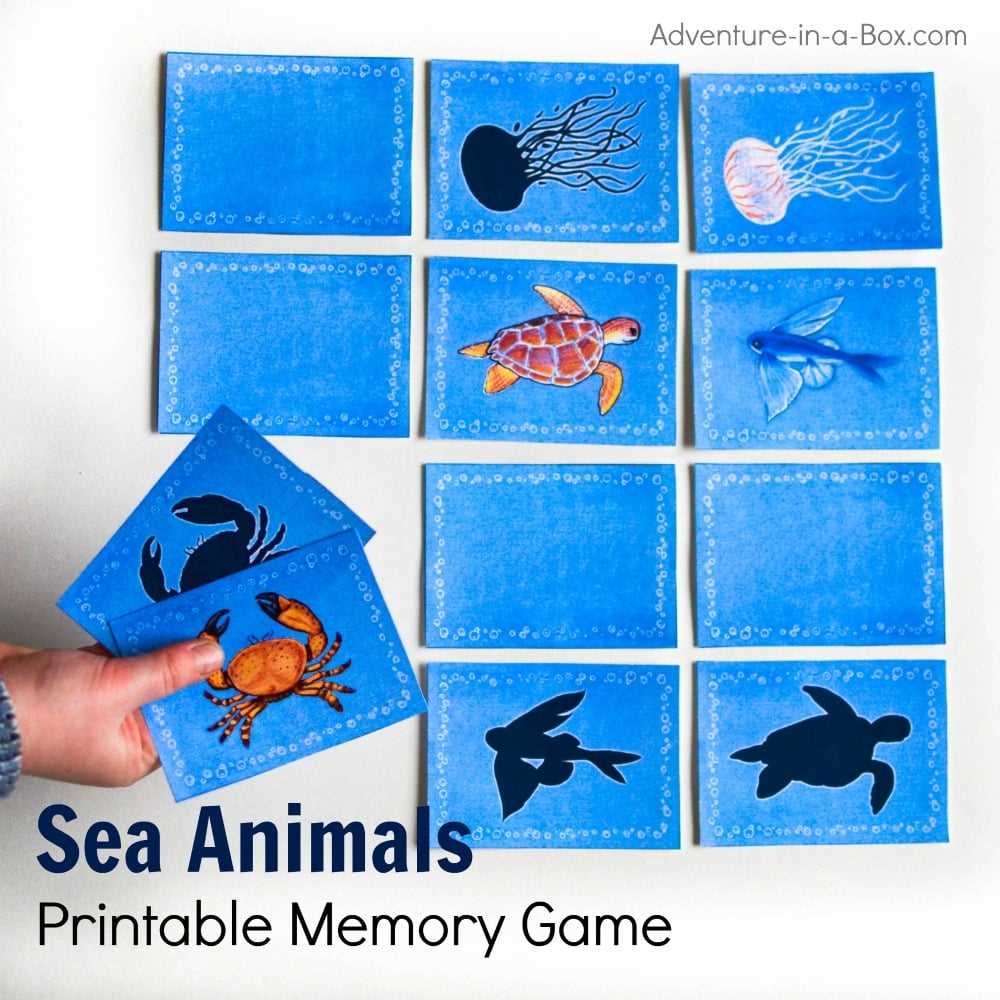
Use simple visual puzzles to help young children sharpen their cognitive abilities. These activities involve matching pairs of items or images that share common characteristics. Print out these tasks, cut them into cards, and start an interactive session with your little one.
How to Design Your Own Matching Puzzles
Create a set of cards featuring familiar objects, animals, or shapes that your child enjoys. You can use stock images or hand-draw simple figures. Print the cards on thick paper and cut them out into identical squares or circles. Make sure the images are clear and easy to recognize. Arrange the cards face down and let your child search for the matching pairs. This activity encourages both memory retention and focus.
- Choose themes that resonate with your child, such as animals, fruits, or vehicles.
- Use contrasting colors or black-and-white designs for additional cognitive benefits.
- Start with just a few cards and gradually increase the number as your child improves.
Why These Activities Support Cognitive Development
Visual exercises like these stimulate a child’s short-term memory and help them develop spatial awareness. By recognizing patterns and identifying matching pairs, children learn to improve their focus and attention span. These tasks also teach patience and encourage independent thinking as children solve the puzzle on their own.
- Memory skills: Helps recall and match items based on visual recognition.
- Attention span: Promotes longer focus through fun, engaging activities.
- Problem-solving: Develops the ability to think critically and make connections.
Additionally, these activities can be tailored to fit various learning stages. For younger children, use fewer cards with bold, easily recognizable objects. As they become more proficient, increase the complexity by using smaller, more intricate images. This way, the activity evolves along with their abilities, keeping them engaged and challenged.
Matching Exercises for Little Ones to Boost Recognition Skills
Design a set of cards with simple pictures to help enhance a child’s ability to recognize objects. Choose images that are clear and easy to identify, such as fruits, animals, or everyday objects. Once printed, cut them out and place them face down, allowing the child to flip over two cards at a time and try to find matching pairs. This activity sharpens memory while making learning fun.
For a more engaging experience, vary the difficulty by starting with fewer cards. Use just six or eight pairs initially. As the child gets better at remembering and identifying matches, increase the number of pairs to add more challenge and keep them engaged.
Each set of cards can follow a theme, like animals or shapes, which helps toddlers start categorizing objects based on certain characteristics. Matching tasks with similar colors or sizes also enhance the child’s understanding of visual details and how objects relate to each other.
Consider incorporating cards with both visual elements and corresponding words to further aid in language development. This approach introduces new vocabulary while the child practices recognizing pictures. Words can be simple like “cat,” “dog,” or “apple” paired with corresponding images. This encourages not just memory but also word-object associations.
To improve focus, start with short sessions and gradually lengthen the time as your child becomes more comfortable with the activity. Keep the atmosphere relaxed and fun, reinforcing positive outcomes with praise for each correct match.
For more complex tasks, try using cards with images and colors that are similar. For instance, two different animals like a cat and a dog might be depicted in the same color. This requires the child to not only match by image but also to discern subtle differences in shades or patterns, adding an extra layer of skill development.
As the child progresses, introduce more advanced variations like using multiple themes in one set. For example, combine cards with pictures of animals and plants, making it necessary for the child to differentiate between categories while still matching pairs. This further develops their cognitive abilities and introduces more diverse learning opportunities.
These activities can be used at home, at a playdate, or in a classroom setting, offering flexibility. Always ensure the designs are simple and visually clear to avoid confusion, and focus on the most essential aspects to keep the child engaged without overwhelming them.