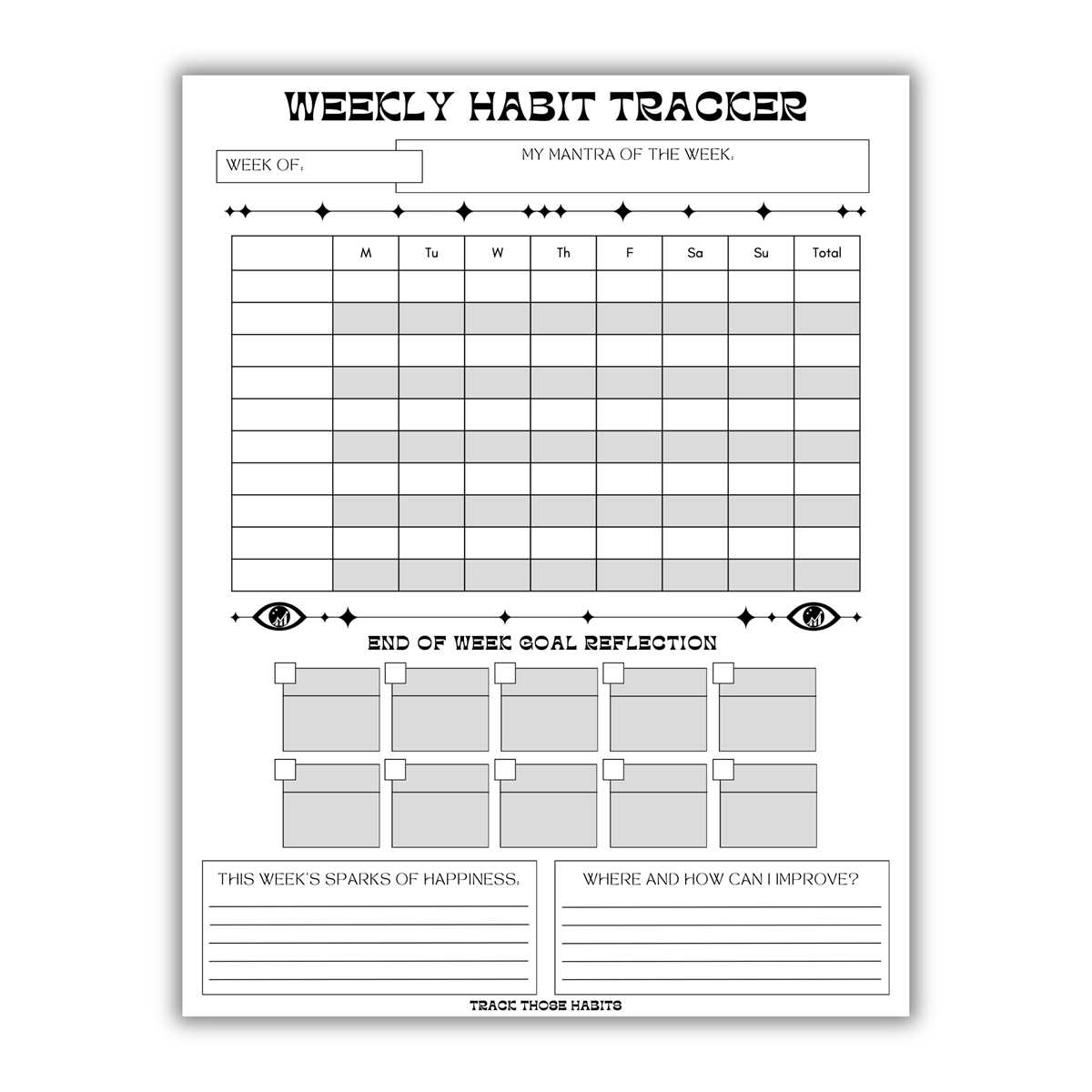
Start by choosing a straightforward template that suits your needs. You can easily find a variety of designs online, each tailored for different kinds of routines. Select a style that allows enough space for multiple tasks or goals while keeping the layout simple and easy to read.
How to Download and Organize Your Tracking Template
Search for a design that matches your preferences, whether you prefer grids, checklists, or tables. Many websites offer these designs in PDF format, allowing for quick and easy downloading. Once downloaded, print it on standard paper or any other material of your choice for better durability.
When printing, make sure the layout fits your space and is not too crowded. The goal is to have a clear, visually appealing format that makes it easy to fill out and review. Keep the printed template where it’s visible to help remind you to update it daily.
Practical Tips for Maximizing Your Progress Tracker
Each week, add the tasks or goals you want to monitor. These can include personal achievements like fitness routines, work tasks, or even new learning habits. Be sure to write them in clear, simple terms so you can easily check them off as you go.
1. Update Regularly for Motivation
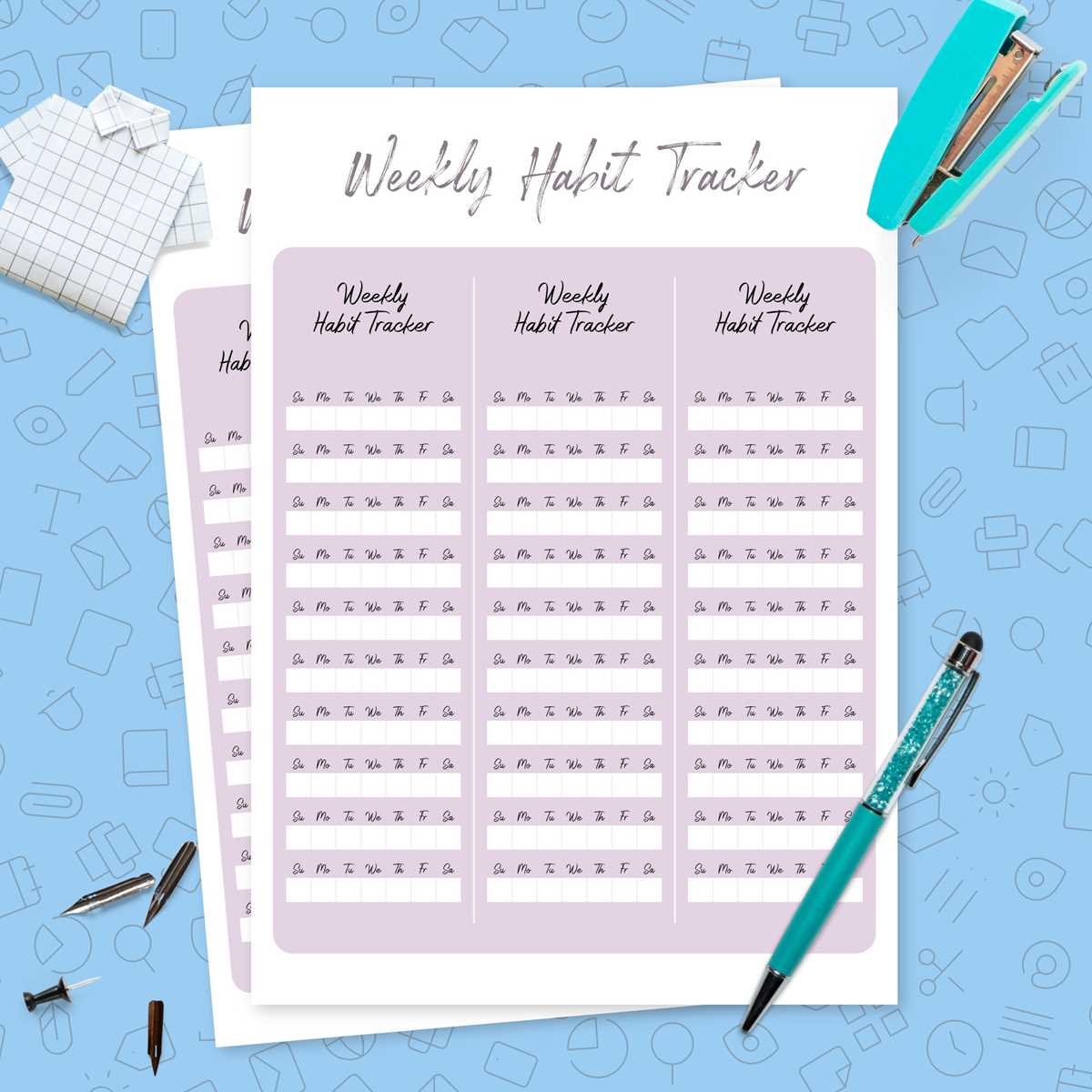
Check off each completed task at the end of your day. This provides instant feedback and a sense of accomplishment, making it easier to stay motivated throughout the week. A visible record of your success will push you to keep going.
2. Review Your Performance and Adjust
At the end of each week, look over your progress. Identify the tasks you completed most consistently and those you struggled with. This reflection helps you refine your schedule and identify areas that need more attention in the coming week.
3. Use the Template for Long-Term Goals
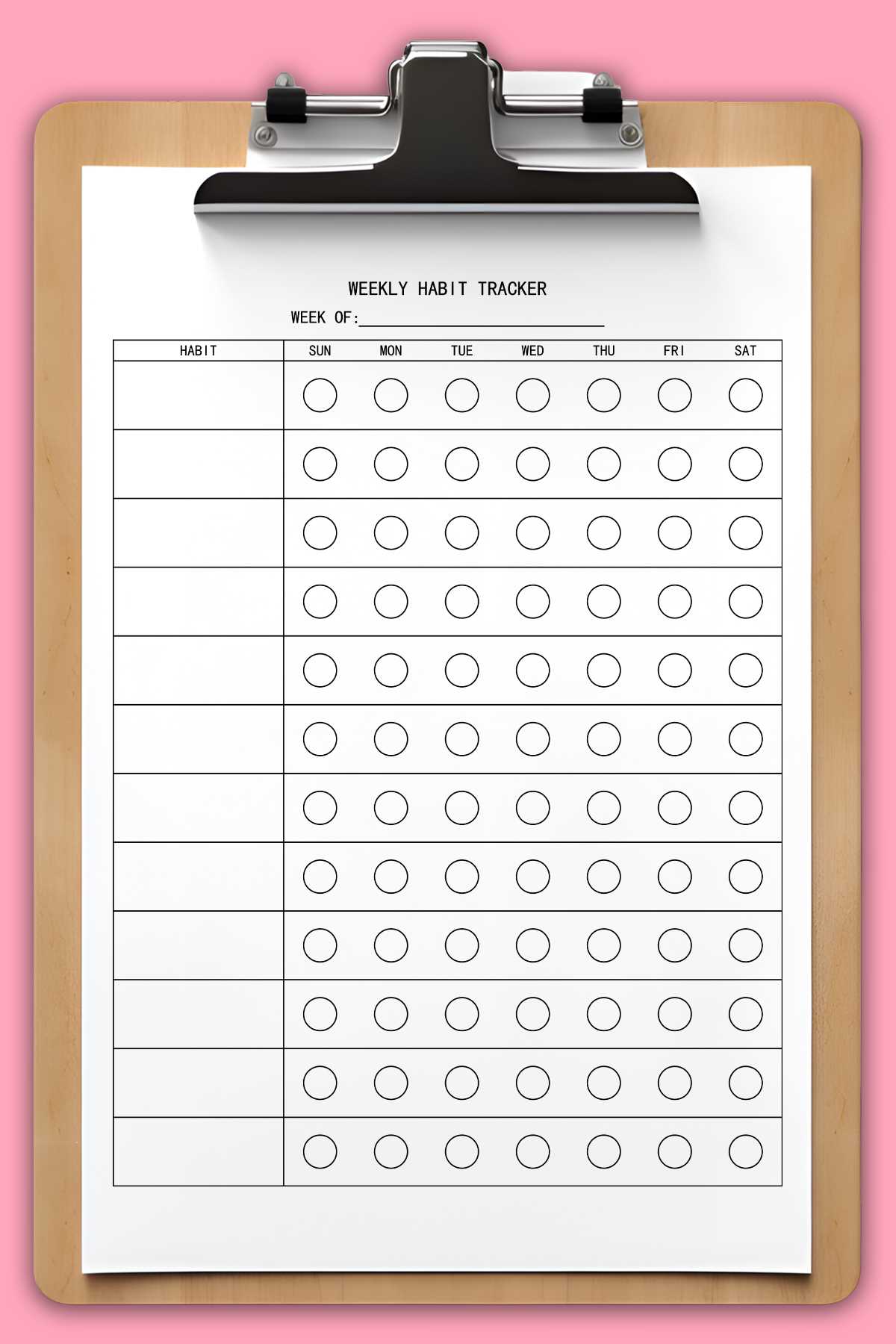
Instead of just tracking daily tasks, consider adding long-term projects or ambitions. Breaking down large goals into smaller, manageable chunks helps you stay on track without feeling overwhelmed. Each week, you’ll be able to mark progress toward larger achievements.
By consistently updating and reviewing your template, you’ll have a clearer picture of where you stand with your goals. This simple tracking method not only helps you stay organized but also boosts your productivity and focus.
Weekly Habit Tracker Guide
Start by selecting a simple grid layout with columns for each day of the week and rows for individual tasks. This format makes it easy to see at a glance what has been completed and what remains. Keep it minimalist to avoid clutter.
When setting up your chart, prioritize the most important actions or goals. Choose a handful of tasks to focus on, such as exercise, reading, or work deadlines. Keeping the number of tracked actions manageable ensures consistency.
Print the design and place it in a visible location where you will see it frequently. This serves as a daily reminder to check off your completed tasks, providing both structure and motivation. Visibility plays a significant role in habit formation.
At the end of each day, take a moment to review what you’ve completed. Mark each task clearly, whether by ticking off boxes, coloring in sections, or using any other system that works best for you. This daily interaction with the chart reinforces accountability.
Each week, assess your progress. Adjust the tasks as needed to maintain focus and address any areas that require improvement. Regular reflection will keep your goals aligned with your priorities and enhance long-term results.