Provide a one-page reference document to teachers, caregivers, and support staff so they can review behavioral patterns, communication needs, and environmental adjustments without searching through long manuals.
Key Information to Include
Core Characteristics
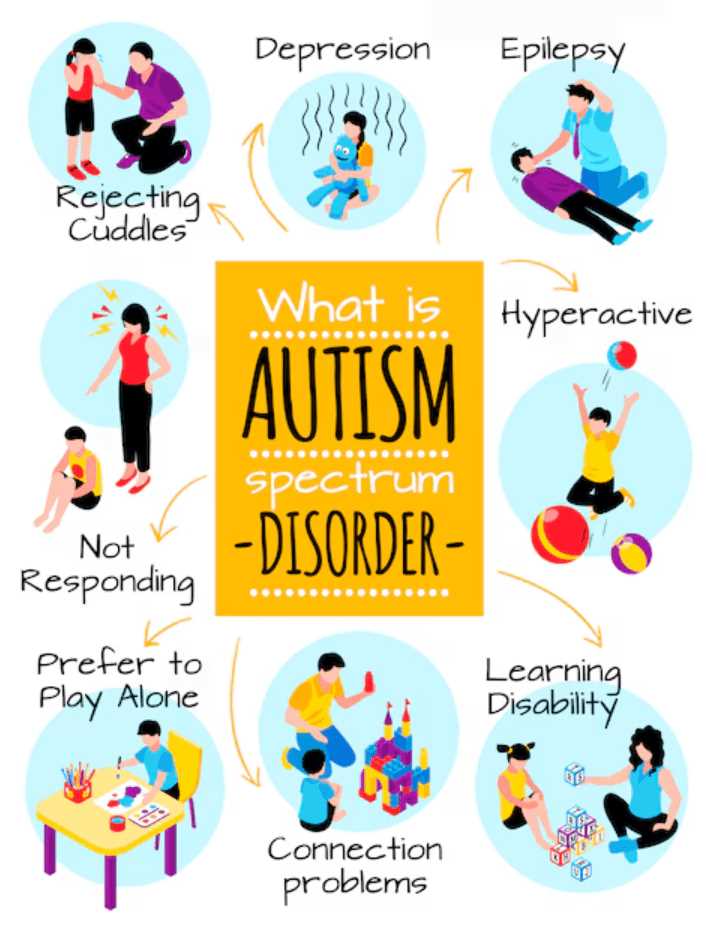
- Differences in social interaction such as limited eye contact or preference for solitary activities
- Communication styles that may include literal interpretation of language
- Repetitive behaviors or strong focus on specific interests
- Sensory sensitivities to sound, light, texture, or smell
Communication Support Tips
- Use short, direct sentences and avoid figurative expressions
- Allow extra processing time before expecting a response
- Offer visual cues such as schedules, icons, or written instructions
- Confirm understanding rather than assuming agreement
Environmental Adjustments
- Create predictable routines with minimal sudden change
- Provide a quiet area to reduce sensory overload
- Limit background noise during learning or conversation
- Prepare the individual in advance for transitions
Layout and Distribution Recommendations
Design the page with clear section headers, 18–22 pt body text, and wide spacing so readers can scan content in seconds. Use bullet points instead of dense paragraphs and include simple visual symbols to support quick recognition.
- Keep the length to a single page for easy copying
- Choose high-contrast text such as dark gray on white for readability
- Store digital and paper versions in staff onboarding materials
- Review content annually with therapists or special education coordinators
This structured reference helps teams respond consistently, reduces misunderstanding, and supports respectful interaction across school, clinic, and home settings.
Printable Autism Fact Sheet Content Layout and Practical Use
Use a single-page layout with three clearly separated blocks labeled Communication, Sensory Responses, and Daily Support so readers can locate guidance within seconds during classroom or caregiving situations.
Write statements as direct actions such as Use clear literal language, Provide visual schedules, Allow transition warnings of five to ten minutes, and Reduce unpredictable noise, avoiding long explanations that slow down decision-making.
Set body text between 18 and 22 points with generous spacing and left alignment to improve readability for quick scanning under time pressure.
Add small visual markers next to each instruction, for example an ear icon for sound sensitivity or a clock symbol for transition preparation, which helps staff absorb information faster than text alone.
Distribute copies in staff binders, substitute teacher folders, therapy rooms, and family welcome packets so guidance stays consistent across environments rather than relying on verbal reminders.
Review the document twice a year with educators or clinicians and adjust language to reflect observed needs, ensuring recommendations remain accurate for real daily interactions.