Choosing the Right Materials for Your Miniature Models
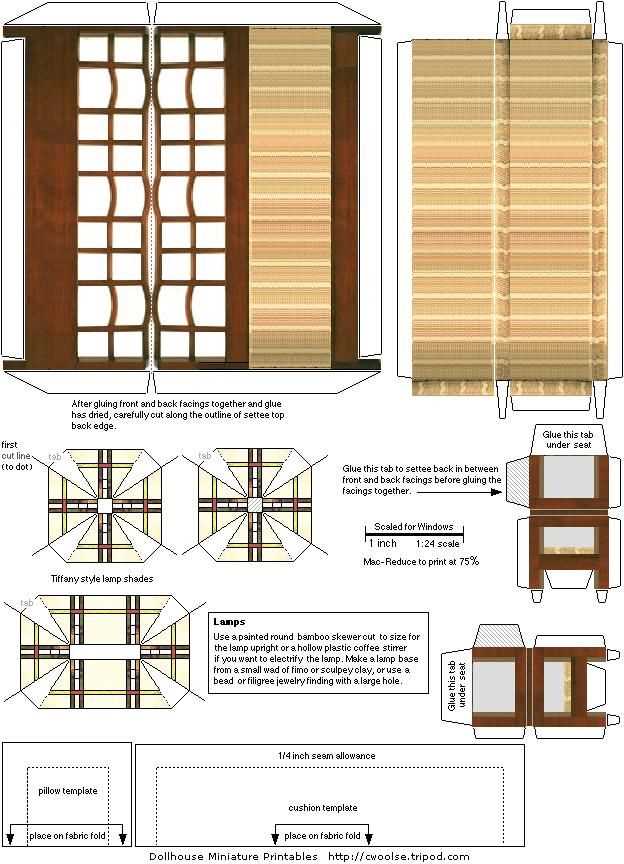
Start by selecting high-quality cardstock or heavy paper, as it provides the necessary sturdiness for intricate pieces. Thicker sheets are ideal for structural elements, while thinner ones are perfect for decorative details. Use a ruler and a sharp pencil to measure and draw precise lines for each item. A cutting mat will protect your workspace from damage and ensure clean cuts. Invest in a fine-point craft knife for more complex shapes and details.
Step-by-Step Process for Assembling the Miniature Pieces
After printing out your designs, carefully cut along the edges with a precision knife. It’s recommended to use small, controlled movements to avoid uneven cuts. For delicate elements like legs and handles, use fine-tip scissors for precision. Once all the parts are cut out, it’s time to fold and glue the pieces together. For larger pieces like tables or chairs, apply a thin layer of glue to avoid excess that might seep out and mar the look.
Be sure to use glue that dries clear and allows for slight adjustments during the assembly process. Start with the base of each item and then work your way up, securing the more complex parts last. For additional detail, you can paint the items once assembled, using small brushes and acrylic paints for a professional finish.
Finally, take your time during the drying process to ensure each piece is securely held in place. If needed, use small clamps or paperweights to hold certain parts in position while the glue sets. Once everything is dry, you’ll have miniature furniture pieces ready for display in your tiny rooms.
How to Assemble Miniature Room Accessories
For a neat and precise assembly of your miniature designs, begin by selecting sturdy materials like thick cardstock or high-quality paper. These materials will provide the necessary strength for your pieces, especially for more detailed or larger items. Use a craft knife for clean, accurate cuts, and a cutting mat to protect your work surface. Make sure the edges are straight and smooth to maintain a professional finish.
Once you’ve selected your materials, measure and draw each part with a ruler and pencil to ensure that all pieces are of the correct size. When you’re ready to start cutting, take your time, using small and controlled cuts to avoid tearing or uneven edges. Using scissors for finer details can be helpful when dealing with smaller or delicate parts. Cutting small pieces requires a steady hand and patience to ensure they fit properly when assembled.
For more intricate designs, such as chairs or tables, use a combination of folding and gluing to create structure. Begin with larger pieces, such as the base, and move to smaller details as you build. Apply glue sparingly to avoid excess, and make sure to press parts together securely for a tight bond. A glue stick or liquid adhesive works well for most paper-based crafts, but ensure the glue dries clear to avoid visible marks.
Once you have all the components assembled, give them time to dry thoroughly. You can speed up the drying process by gently pressing pieces with small objects like books or weights. This ensures the items stay aligned while the glue sets and prevents shifting or warping. Be patient with this step; the stronger the bond, the more durable your finished product will be.
To enhance the look of your miniature creations, consider adding finishing touches such as paint or fabric. Acrylic paints are perfect for adding color to surfaces, and fabric scraps can be used to upholster pieces like sofas or beds. Use a fine-tipped brush for detailed areas, and allow each coat to dry before applying additional layers. This gives a more polished, professional look to your miniatures.
If you want your creations to be more durable, reinforce them with lightweight materials like wood veneer or plastic sheeting. These can be attached to the backside of larger items like bookshelves or tables to prevent them from warping over time. Reinforcing with stronger materials helps your models last longer, especially if they’re going to be handled often.
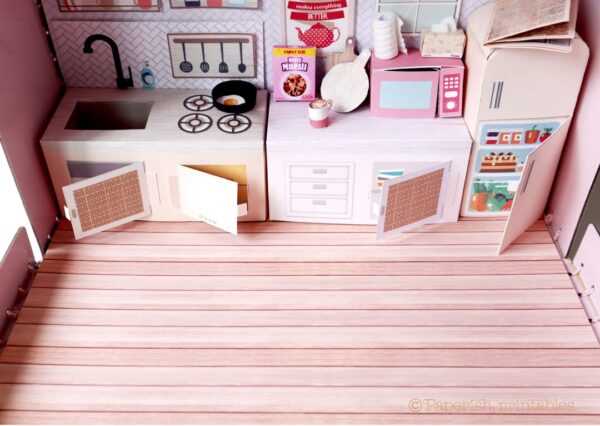
When all the components are complete, arrange them in your miniature room or display space. You can further customize the setup by adding small accessories like rugs, lamps, or plants to create a realistic scene. Whether you’re creating a single piece of decor or an entire room setup, the key is attention to detail and patience. With practice, you’ll be able to create lifelike miniatures that add charm and personality to any space.