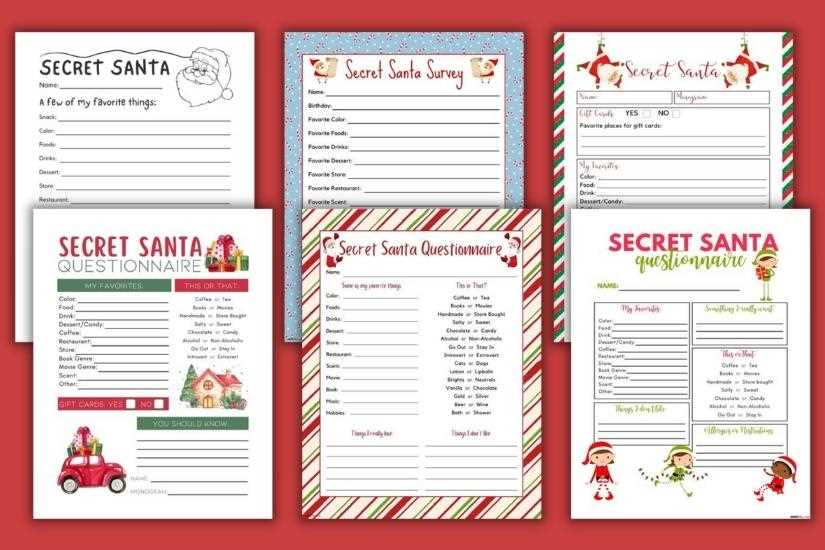
To set up a successful gift exchange, begin by organizing a simple system for pairing participants. One of the easiest ways to do this is by using a random drawing tool, where each person will be assigned to buy a gift for another, ensuring the process stays fair and fun. You can create your own by writing names on slips of paper and drawing them, or use an online generator for a more streamlined approach.
Steps for Organizing a Gift Exchange
First, gather a list of participants. This will be your starting point. Once everyone has confirmed their involvement, ask each participant to share a few gift preferences or interests to make gift selection easier. This can be done informally or via a short questionnaire.
Next, assign the roles. Whether you draw names manually or use a digital tool, ensure that each person knows who they are purchasing for. It’s crucial that no one knows who has them to maintain the surprise element. A simple email or message confirming the assignment will suffice.
Finally, set a budget. This helps participants pick appropriate gifts without going overboard. A reasonable budget keeps things fair, ensuring that everyone feels comfortable with the value of their gift. Typically, $20-$30 is a good range, but adjust according to your group’s preferences.
Where to Find Ready-to-Use Tools
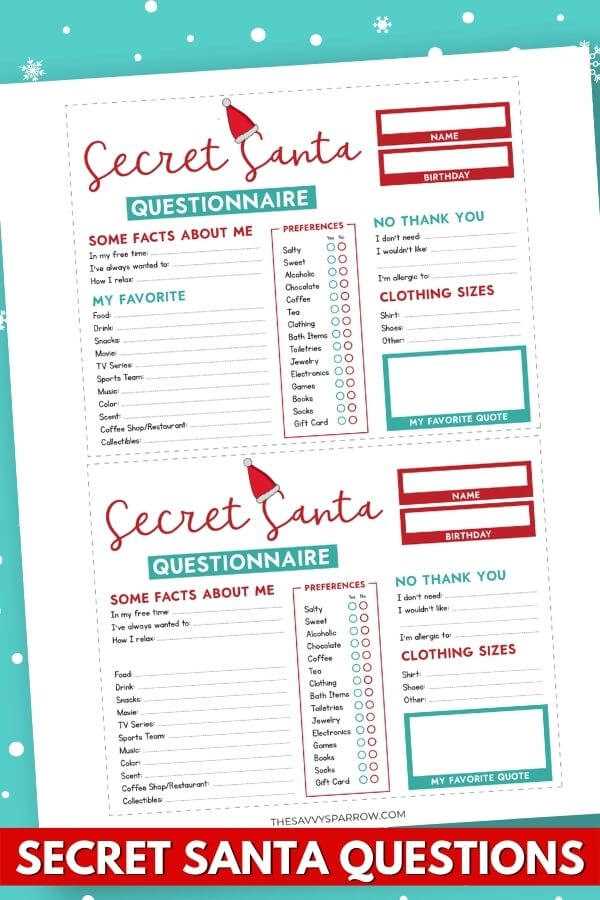
If you’re not keen on organizing everything manually, there are many online platforms that offer tools for running a gift exchange. These tools can automate the process of drawing names and even provide printable templates to facilitate gift planning. Websites like Elfster or DrawNames allow you to manage your exchange effortlessly, eliminating the need for paper slips.
Some websites even allow participants to list their interests and provide suggestions for gift ideas. This feature can save time and prevent the stress of choosing the perfect present. Make sure to explore these tools before the exchange to ensure that they fit your needs.
In addition, there are multiple downloadable resources available that include printable checklists or budget trackers to help participants stay organized. You can print these at home and distribute them in advance, ensuring everyone has the information they need to participate effectively.
Lastly, consider incorporating themes or specific gift guidelines to add more fun to the exchange. Whether it’s a “book lover’s” theme or “something handmade,” themed exchanges add an extra level of excitement and creativity. Use the same online platforms to communicate these rules to everyone in your group.
Guide to Gift Exchange Sheets and How to Use Them
To start a gift exchange, begin by gathering the names of participants. It’s best to use a tool that can randomly assign each person a recipient to ensure fairness and anonymity. This can be done manually by writing names on paper, or digitally using an online generator.
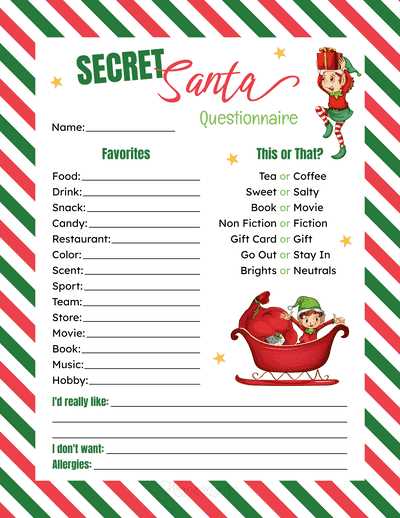
Once all participants are confirmed, it’s helpful to collect gift preferences from each person. A simple questionnaire asking for hobbies, favorite colors, or specific gift ideas can make choosing a present much easier. This ensures that no one feels uncomfortable or receives something that isn’t useful.
After the assignments are made, each person should be given clear instructions. This includes the budget, any specific themes, and the date of the gift exchange. A clear deadline will prevent confusion and last-minute stress. The budget should be reasonable to keep the exchange fun for everyone involved.
Using online tools can simplify the process. Websites like Elfster or DrawNames allow you to create a gift exchange list, draw names, and track progress. These platforms can even send reminders to participants and help manage changes if someone has to back out.
Make sure to explain the rules to participants before the event. For example, they may not reveal who they’re buying for until the exchange occurs, which adds excitement. Clearly outlining expectations helps everyone stay on track and ensures the event runs smoothly.
Printable checklists or tracking sheets can also be very helpful. These sheets allow participants to jot down important details like gift ideas, recipients’ preferences, and the total cost. This way, everyone stays organized and prepared for the exchange.
If you prefer to keep things simple, a manual approach is also effective. Simply write down the names, draw one at a time, and share the list with everyone. Though more time-consuming, it can be a more personal touch, especially for smaller groups.
Lastly, encourage creativity in the gift choices. Whether the theme is “something handmade” or “favorite childhood memory,” themes can add excitement and meaning to the exchange. Encourage participants to think outside the box and add a personal touch to their gift selection.