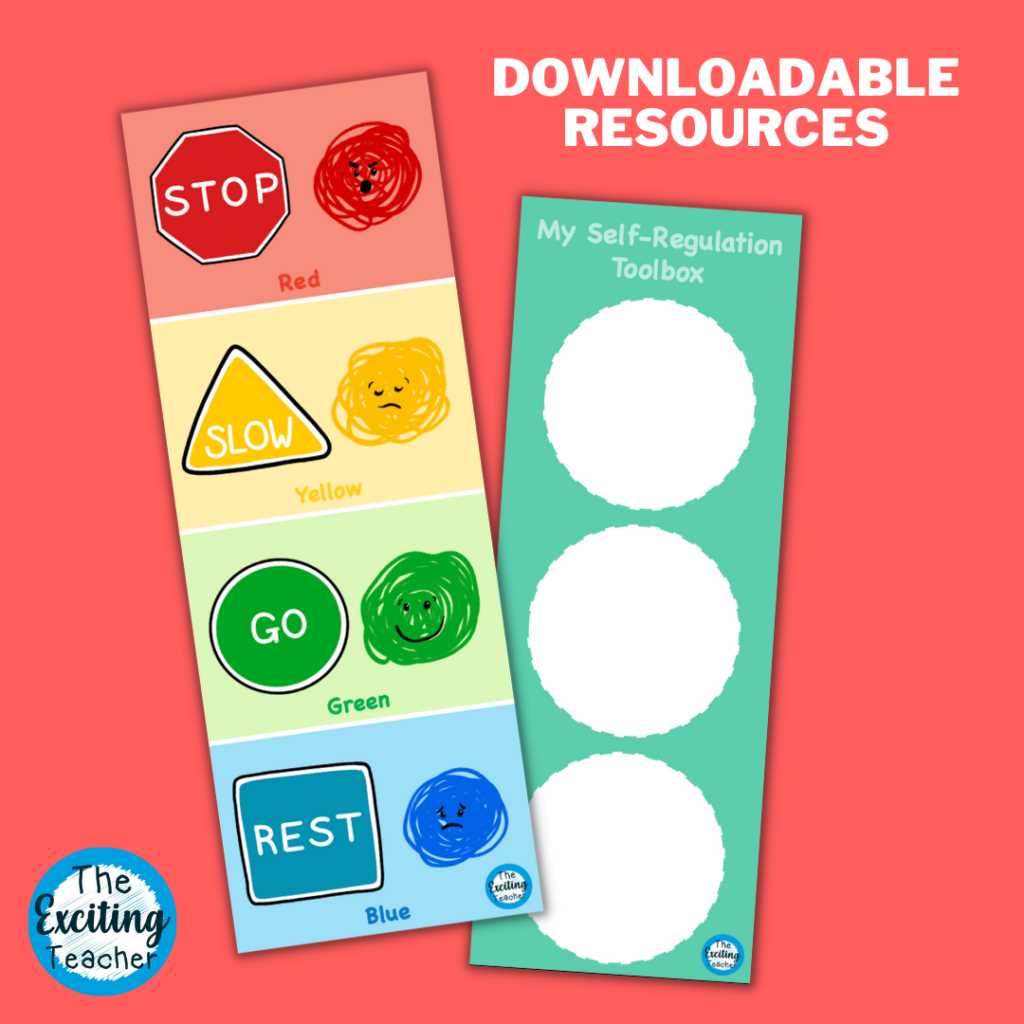
Introduce a simple way to help children identify and manage their emotions by using color-coded visual aids. These resources make it easy for young learners to connect their feelings with colors, helping them better understand and express themselves. Start by teaching them to recognize their current emotional state, whether they’re feeling calm, upset, or excited, by associating each feeling with a specific color.
Provide engaging exercises that allow children to interact with these visual tools. For example, have them color in a chart or use cut-out images that represent different emotional states. By practicing these activities regularly, they will begin to develop a greater awareness of their emotions and how to respond to them appropriately. Simple prompts and visual reminders can encourage them to check in with their feelings throughout the day.
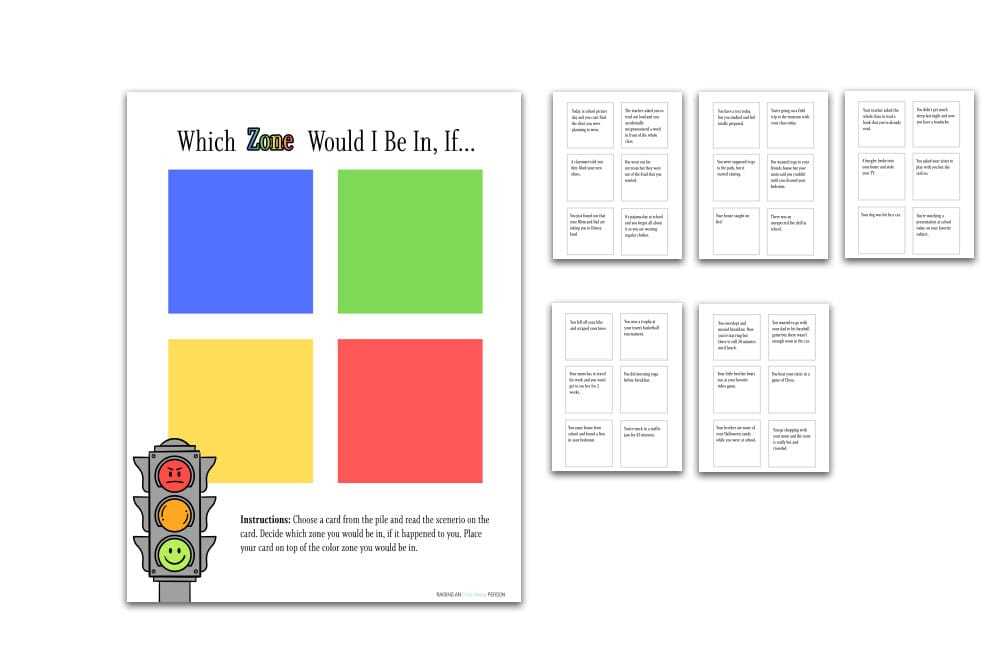
As children become more familiar with the visual cues, incorporate more complex tasks, like problem-solving scenarios where they need to choose which coping strategy would be best for their current emotional state. These exercises teach self-regulation techniques and help kids develop the skills they need to manage their emotions independently.
Using Visual Tools for Emotional Awareness
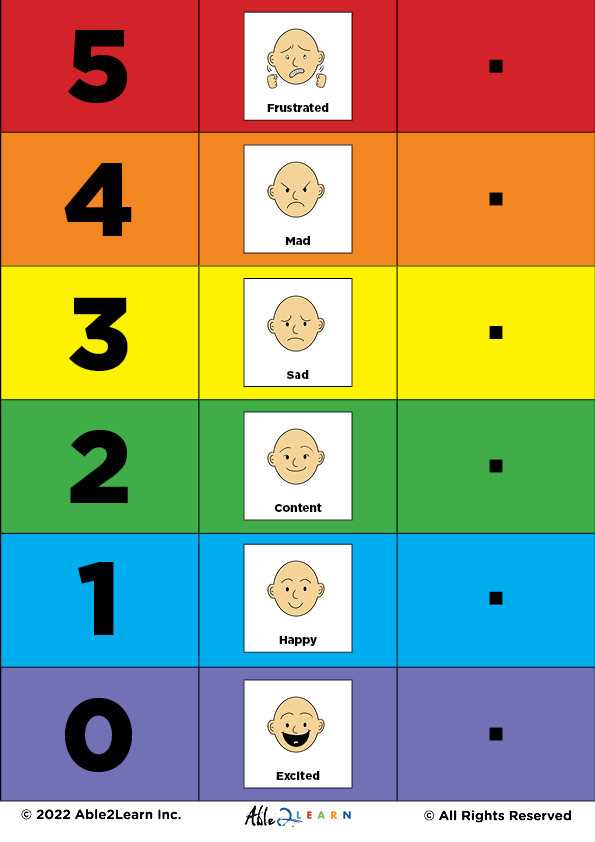
Begin by introducing a simple color-coded chart that helps children recognize and express their emotions. This chart can be divided into sections, with each color representing a different feeling such as calm, angry, or sad. It helps kids visually connect with their emotions, making it easier for them to understand and name their feelings.
Use activities that encourage children to associate emotions with colors. For example, ask them to choose a color that matches how they feel at different times of the day or after specific events. This can be done using color sheets or drawings that prompt children to reflect on their emotional state.
Incorporate a range of scenarios where children can apply these color cues. Give them a series of situations or stories and ask them to identify which color corresponds with how the character might be feeling. This can help improve their empathy and understanding of others’ emotions.
To enhance self-awareness, include tasks where children track their emotional state throughout the day. For example, they could mark their mood on a visual scale every hour, helping them recognize patterns and better anticipate their emotional responses in different situations.
Encourage the use of visual prompts during stressful moments. Have a set of cards or charts that children can refer to when they feel overwhelmed or upset. These resources provide immediate visual reminders of how to manage strong emotions and help children feel more in control.
Introduce calming exercises that children can match with specific emotional states. For example, when a child feels anxious (represented by a specific color), provide a list of techniques like deep breathing, listening to music, or drawing. Having these strategies tied to visual cues helps children find solutions independently.
Finally, make these tools available as regular resources for children to use in the classroom or at home. By creating a consistent environment where children can refer to emotional charts and activities, they will become more adept at managing their feelings and developing emotional intelligence over time.
How to Implement Color-Coded Zones for Emotional Awareness
Start by introducing a basic color-coding system that associates each emotion with a distinct color. For example, red can represent feelings of anger or frustration, while blue might be linked with sadness or calm. This simple method helps children identify and express their emotions more clearly.
Create visual aids, such as charts or posters, that clearly display these color-emotion associations. Hang these resources in a visible space so children can easily refer to them throughout the day. This visual connection reinforces emotional awareness and provides a quick reference during difficult moments.
Encourage children to check in with themselves throughout the day by identifying which color best represents how they feel. Have them use a color chart to color in their current emotional state or place a colored sticker on a chart. This process helps children develop self-awareness and understand the impact of different situations on their emotions.
Introduce activities where children practice recognizing and naming emotions based on various scenarios. For instance, show images of people in different emotional states and ask the children to match them with the corresponding color. This helps them not only identify their own feelings but also understand others’ emotional expressions.
Incorporate these color cues into daily routines, such as morning check-ins or end-of-day reflections. For example, ask children to identify how they feel at the start of the day and what color they associate with that feeling. This habit encourages mindfulness and emotional reflection.
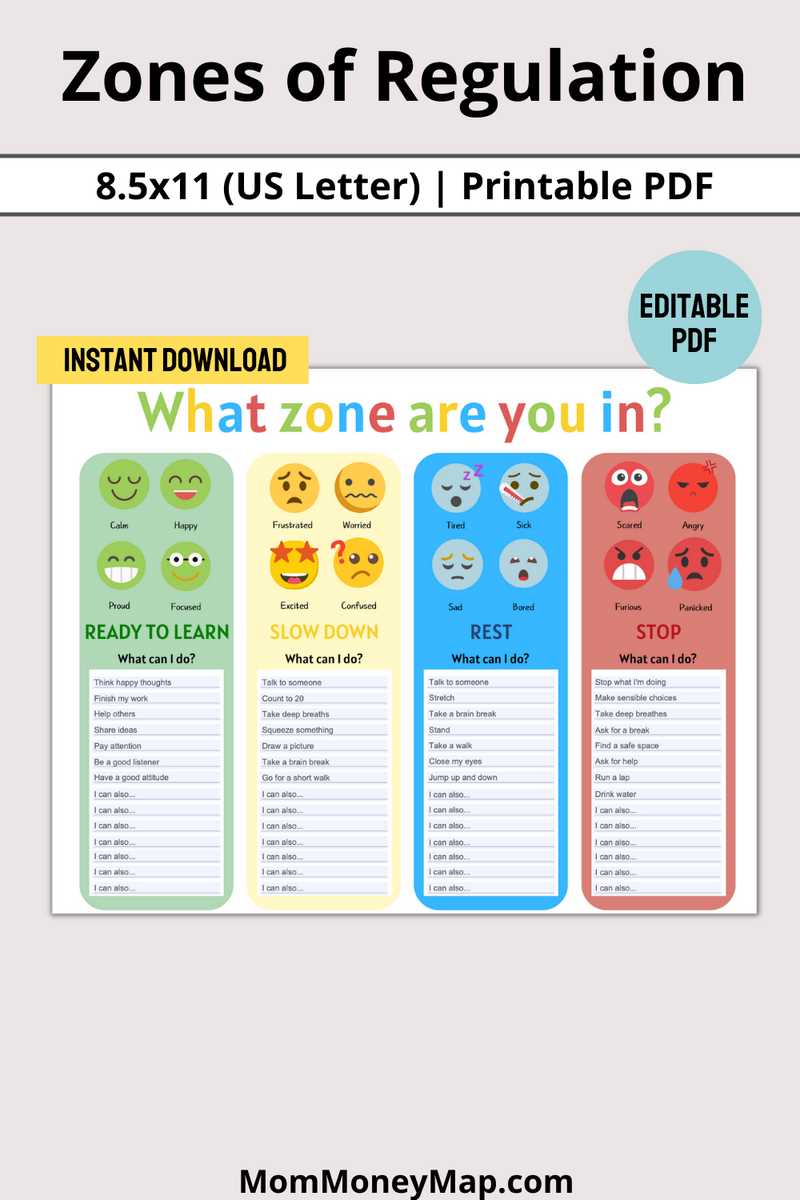
Use these visual tools during emotional outbursts or challenging moments. For example, when a child is upset, encourage them to refer to the color chart to identify how they’re feeling. This gives them a clear framework to recognize and express their emotions, making it easier to calm down and move forward.
Provide calming strategies or coping skills tied to specific colors. For example, when a child is feeling red (angry), suggest deep breathing or a quiet space. For blue (sad), offer comforting activities like drawing or talking. By linking emotions with action plans, children can better manage their feelings in real time.
Lastly, regularly review the system with the children to reinforce their understanding and make adjustments as needed. This could be done during group discussions or through one-on-one check-ins. The more they engage with this method, the more confident and capable they will become in managing their emotions independently.