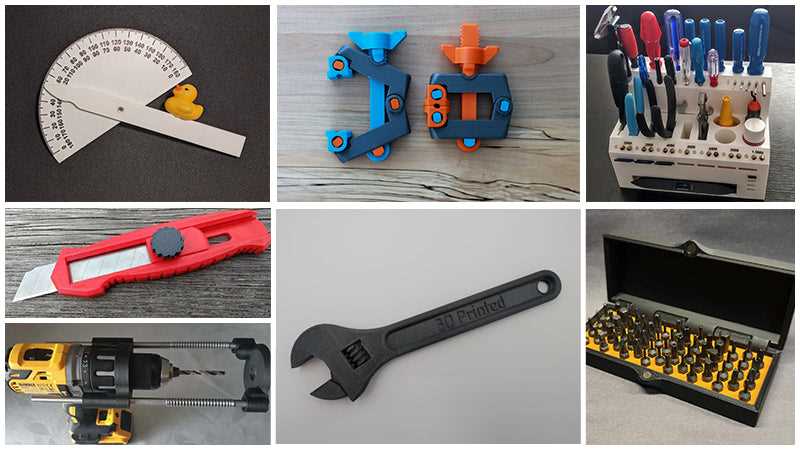
To create custom, practical items for everyday tasks, 3D modeling software offers an easy way to design personalized objects. Start with a well-structured 3D model, ensuring it’s optimized for the material you’ll be using. Some common items made with this technology include organizational tools, custom adapters, and replacement parts.
Choosing the Right Material for Functionality
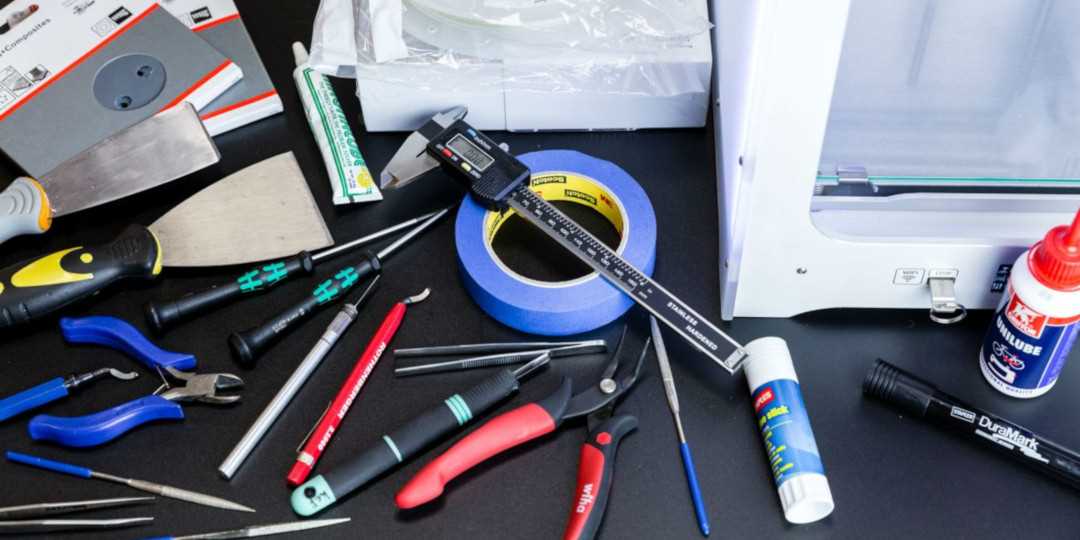
The material you select will significantly impact the item’s durability and usability. For stronger objects, such as tools or mechanical parts, use materials like ABS or nylon. These materials provide toughness and flexibility. For decorative or less-stressed items, PLA works well due to its ease of printing and detail retention.
Designing for Strength and Precision
When designing for practical use, consider the object’s geometry. Avoid thin sections that can easily break. Instead, reinforce stress points with thicker sections or internal ribs. Incorporating chamfers and fillets can also increase the durability of your item by reducing sharp edges that are prone to cracking under pressure.
Additionally, it is important to design with tolerances in mind. If parts need to fit together, ensure your measurements account for the shrinkage or expansion that occurs during the printing process. This allows for smoother assembly and ensures a functional final product.
Testing and Iterating
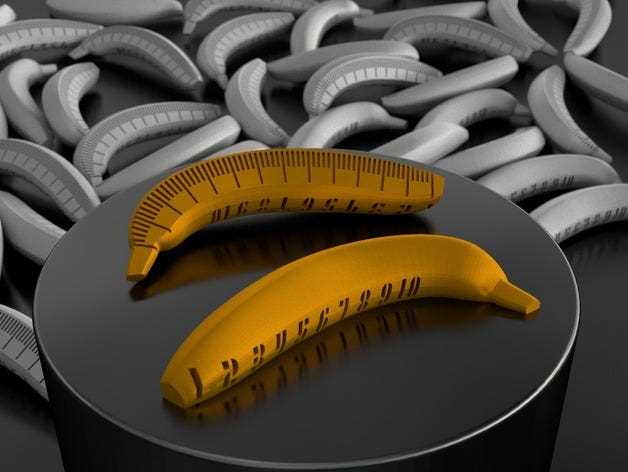
Once you’ve printed your first version, test it under the intended conditions. If it’s a tool or part, check its performance and make sure it handles the load without failure. Don’t be discouraged if your first attempt doesn’t work as expected; iteration is key in this process. Refine your design based on the feedback you gather from the test print, adjusting sizes or reinforcing weak points where necessary.
Remember, while 3D printing allows you to create highly customizable objects, the final print’s success will heavily depend on the quality of your design, material selection, and post-processing. With practice, you’ll be able to produce reliable, functional items tailored to your specific needs.
Creating Custom Equipment for Everyday Use
Designing custom equipment for specific tasks is one of the biggest advantages of using 3D modeling and printing. For instance, creating custom wrenches, screws, or even holders can provide solutions that perfectly fit your needs. To start, focus on designing with clear measurements and considering the material properties. For higher durability, select reinforced filaments like nylon or carbon fiber composite, ideal for mechanical parts. For simpler tasks, PLA may suffice. Always check for precision in the design, especially if the pieces need to interlock or fit into a particular slot.
Testing is another critical step. After creating an item, evaluate its performance to ensure it can withstand the pressure and function as intended. This may require iterative design improvements, adjusting dimensions or adding structural reinforcements in areas that show stress during testing. Keep in mind that even small changes in the design can significantly enhance the final output. With these steps, you can create highly functional, tailored components that serve specific needs without relying on generic market options.