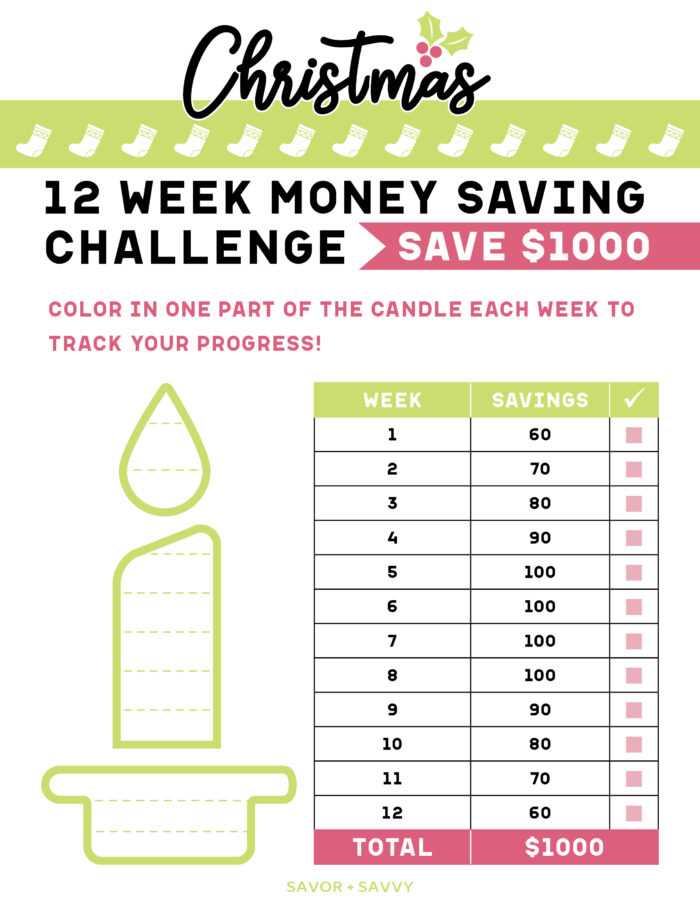
1. Design Your Weekly Goals
Start by dividing your money management process into smaller, manageable sections. Focus on weekly goals, which allow you to track your progress consistently. Setting a target for each week prevents you from feeling overwhelmed by a long-term commitment. Consider breaking your total savings goal into smaller parts. For instance, if your target is to save $1000 in three months, aim to put aside around $80 each week. The simplicity of weekly tracking makes it easier to keep yourself accountable.
2. Customize Your Tracking Sheets
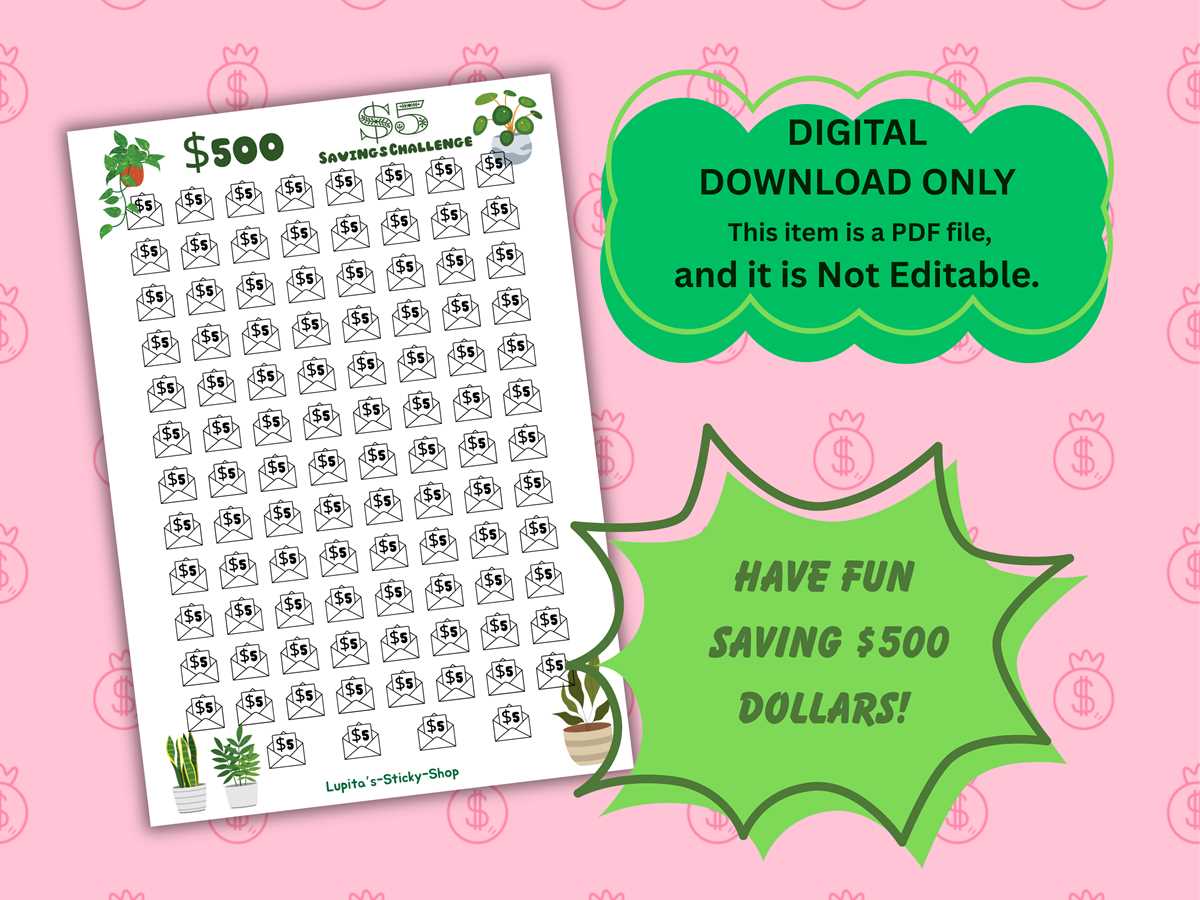
Using customizable charts or planners helps visualize your progress in real-time. A clear structure can increase motivation and make it easy to see exactly where your money is going. Create sections for each week, noting your starting balance and the amount you intend to save. Leave room to record unexpected expenses or savings boosts, which will keep your strategy flexible.
3. Stick to Simple Tracking Methods
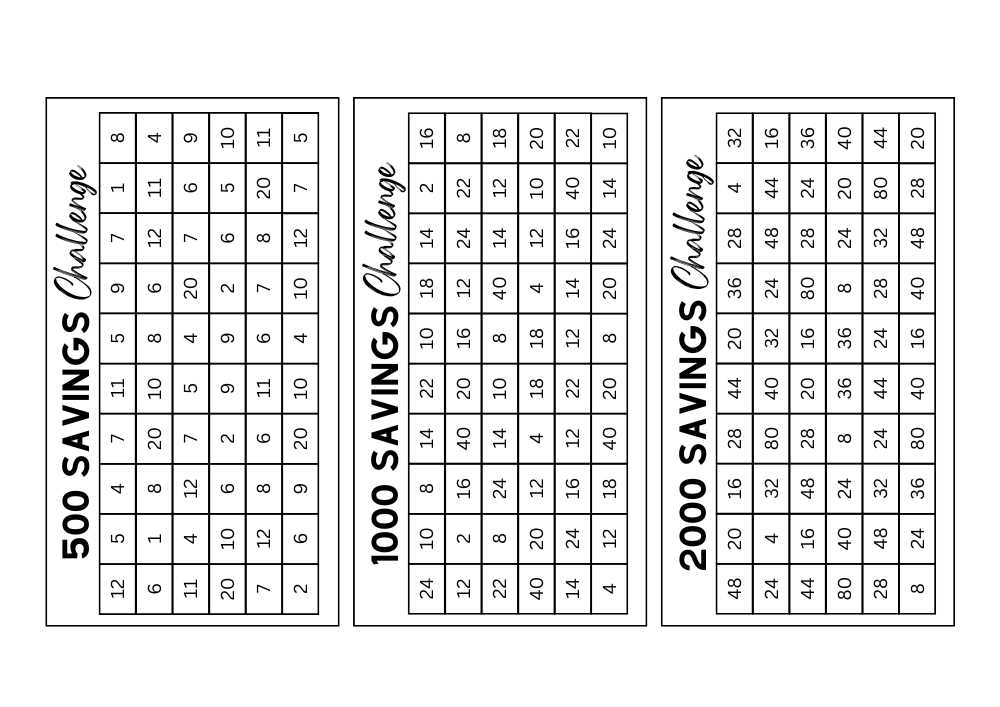
Rather than overcomplicating your budget, focus on simplicity. For example, use a basic table format where you list your weekly deposits or savings. Color-code each row or use symbols (like checkmarks) to indicate successful savings or missed goals. This simplicity allows for quick updates, making the process more user-friendly.
4. Adjust According to Your Lifestyle
Personalize your budget to suit your spending habits. Some weeks, unexpected expenses may arise. Adjust the numbers accordingly, without getting discouraged. If you cannot meet your weekly goal, don’t abandon the plan altogether–just adjust your expectations for the following week. Flexibility is a key to long-term success.
5. Share Your Progress
Accountability is critical when trying to stick to a financial plan. Share your progress with someone you trust–whether a friend, family member, or partner. This will encourage you to stay on track. You can also join an online community where others are working towards similar financial goals. Mutual support increases the likelihood of success.
6. Visual Reminders Can Help
Adding visual elements, like a large calendar or an image of your goal, on your wall can serve as a constant reminder. This simple trick helps you stay motivated, especially on days when you feel like giving up. It reinforces the goal and keeps you connected to your progress.
7. Review and Reflect Regularly
Make it a habit to check your results each week. Reflecting on what went well and what you could have done better helps improve your methods moving forward. If you find yourself repeatedly struggling with specific weeks, it may be time to reassess your approach and make adjustments. Being proactive in addressing challenges will increase your chances of long-term success.
8. Celebrate Your Achievements
When you hit a milestone, take the time to celebrate it. Whether it’s a simple treat or a small reward, acknowledging your hard work will keep you motivated. Recognizing your achievements, even the small ones, makes the process feel more rewarding.
How to Use a Budgeting Tracker to Reach Your Financial Goals
Set clear milestones that you can track weekly or monthly. Focus on small, achievable goals instead of a large, overwhelming target. This can help you stay motivated and provide a tangible sense of accomplishment as you progress.
Instead of relying on generic templates, customize the tracker to match your unique financial situation. Add specific categories like “emergency fund” or “vacation savings” so you can target the funds that matter most to you.
Break down your total target into manageable amounts. For example, if your goal is to save $1,000, break it into smaller chunks like $250 per quarter. This gives you frequent wins and keeps the momentum going.
Track your progress with daily or weekly check-ins. This will help you identify patterns, areas for improvement, and celebrate each time you reach a small goal.
Use a simple color-coding system to represent different savings categories. For example, green can signify completed goals, while yellow indicates that you’re close to achieving a target. This method makes progress visually clear.
Consider using the tracker in a way that complements your current budgeting habits. If you already use an app to track spending, align your visual goal-setting with that system. It makes your savings process even smoother.
Motivate yourself with a reward system once you hit a target. Set aside a portion of your savings for something special, but only after you’ve achieved the goal. It adds an extra incentive to stick to your financial plan.