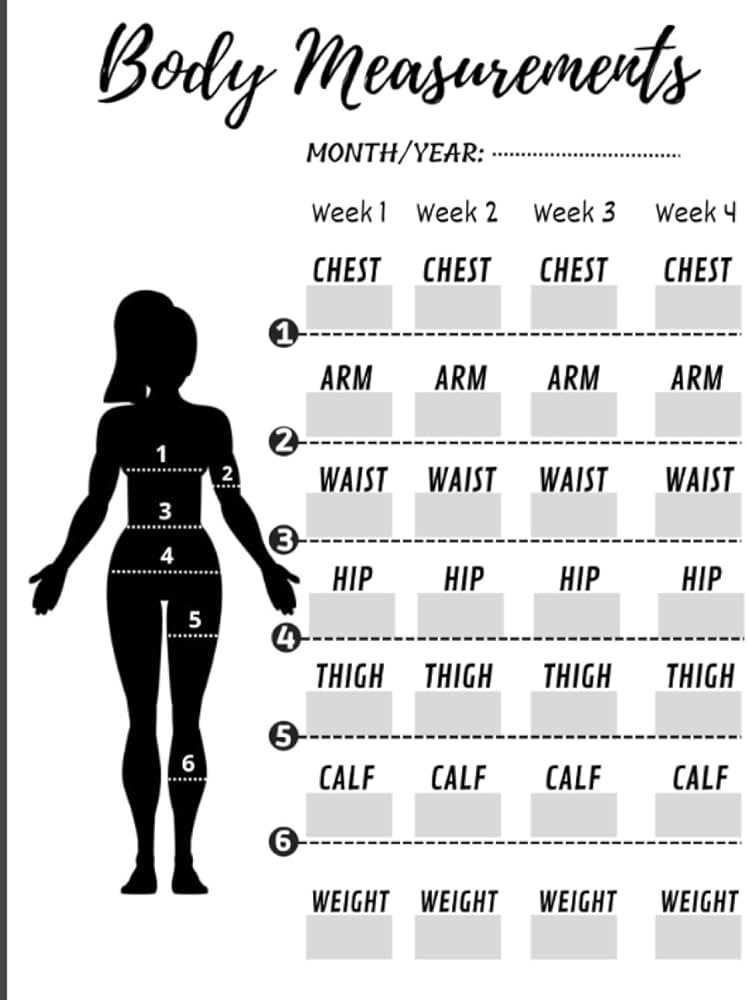
For accurate fitting and tracking, it’s important to record key figures that relate to your personal size. Whether you are tailoring clothes or keeping track of your fitness progress, the right measurements are critical. To begin, ensure you have a flexible tape measure, a mirror for checking your posture, and a pen and paper for recording your results.
How to Record Your Key Figures for Perfect Sizing
Start by measuring the circumference of your chest, waist, and hips. For the chest, measure around the fullest part, just under your armpits. When measuring the waist, find the natural indentation around your torso and wrap the tape measure snugly but not tightly. For the hips, measure around the widest part of your lower body. Always keep the tape measure parallel to the ground, and ensure it’s not twisted for accurate readings.
Next, measure your inseam, which refers to the length of your leg from the crotch to the ankle. This measurement is key when determining the correct fit for trousers or pants. Stand straight and use a friend to help you measure, or if doing it solo, use a mirror to ensure the tape stays straight along your leg.
Tracking Your Progress with Regular Measurements
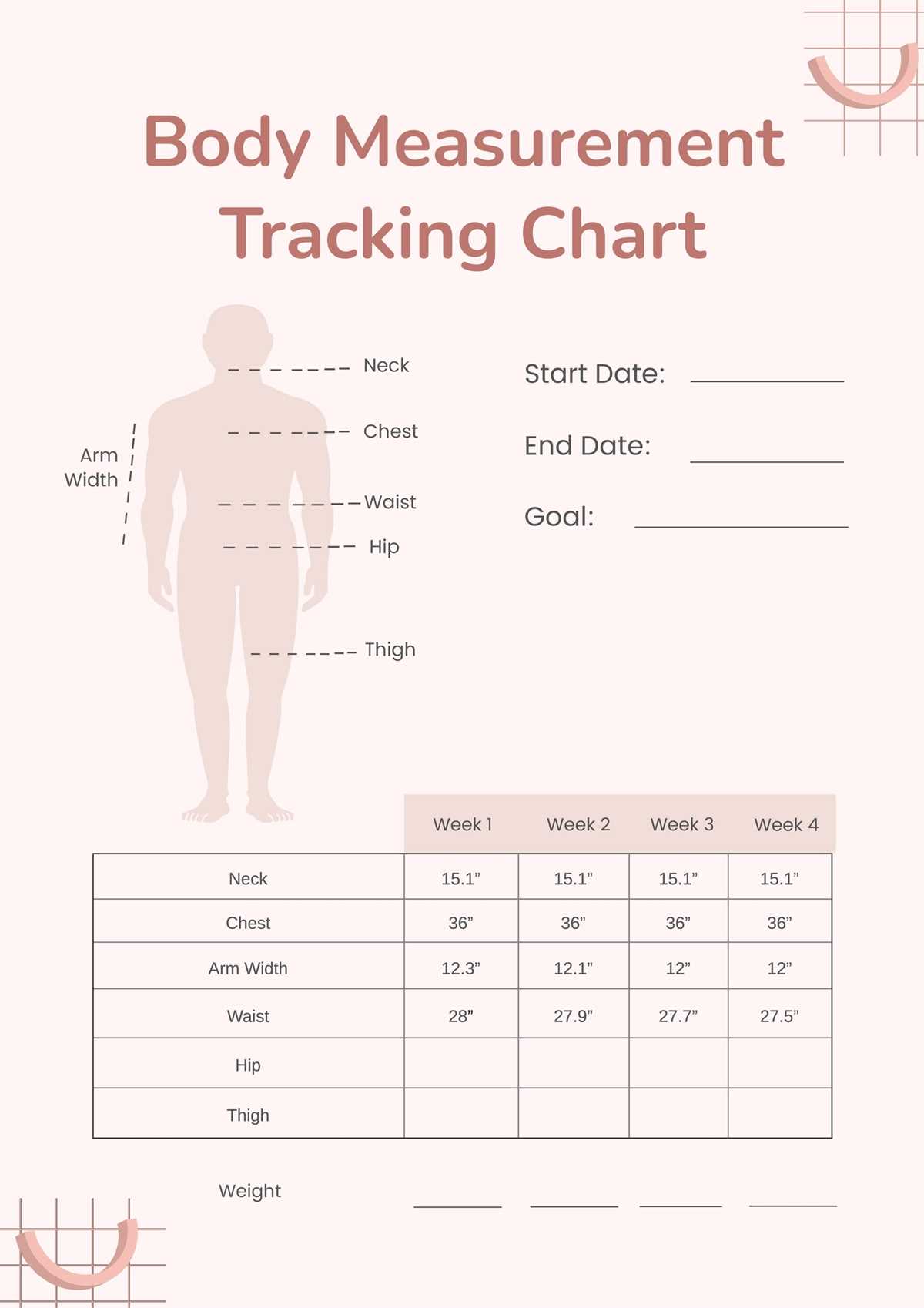
Tracking changes over time is essential when monitoring your body’s transformation, whether for fitness or altering your wardrobe. Record your measurements regularly, preferably once a month, to observe progress. This method is far more effective than relying on clothing size labels, which can vary by brand and cut.
When tracking progress, focus not only on changes in your waist or chest size but also on muscle gain and fat loss. Keep in mind that body composition changes, such as increased muscle mass, may not show as weight loss, but they’ll be evident in your measurements. Therefore, it’s important to view progress through the lens of measurement, not just the number on the scale.
Lastly, when measuring for clothing, consider how fabrics and styles fit your body. Some materials have more stretch, while others may require more precise measurements for an optimal fit. Always take measurements while standing in a natural, relaxed posture to ensure your sizing is as accurate as possible.
Body Measurement Guide for Accurate Sizing
To achieve the perfect fit, start by taking precise measurements of your chest, waist, and hips. Measure the chest at its widest point, just under the armpits. For the waist, find the natural curve of your torso, usually above the belly button, and wrap the tape snugly around this area. Make sure the tape is parallel to the ground and not too tight.
For the hips, measure the fullest part of your lower body. Stand with your feet together and wrap the tape around the widest part of your hips and buttocks. This measurement is especially important for accurately fitting skirts, pants, and dresses.
Next, take the inseam measurement. To do this, measure from the crotch down to the ankle bone, along the inner side of the leg. This is critical for determining the correct length of pants and trousers. If possible, ask a friend for help to ensure accuracy.
Don’t forget to measure the shoulders and arms if you need a more detailed fit. For the shoulder width, measure from one shoulder seam to the other, across the back. For the arm length, measure from the shoulder seam down to the wrist. These measurements are particularly helpful for tailored shirts and jackets.
For dresses and tops, it’s also useful to measure from the neck down to the waist and then down to the desired hemline. This helps you determine the correct fit and length of the garment, especially when you want something that’s tailored but not too tight.
Finally, record all your measurements and compare them against sizing guides for different brands. Keep in mind that sizes can vary, so use these measurements to find the best fit for your unique shape. Regularly updating your measurements ensures you always have the most accurate data for your wardrobe needs.