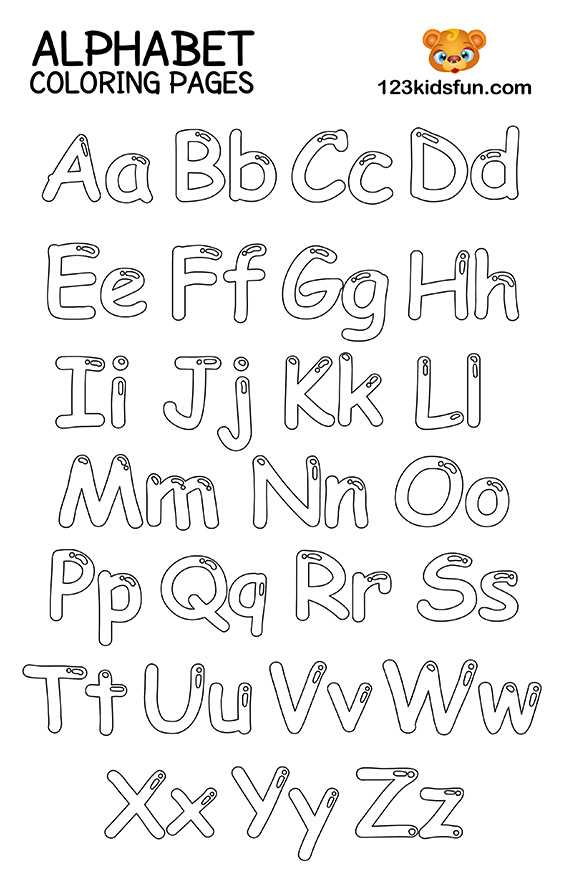
Select ready-to-use alphabet characters in clear color palettes for worksheets, wall signs, and craft templates. Choose files offered in PDF or PNG to keep edges sharp and shades consistent on home or school printers.
For learning activities, pick bold glyphs with simple shapes and strong contrast. Thick outlines stay readable after cutting, while flat fills reduce ink loss and avoid streaks on standard inkjet devices.
Check size options before saving files. Sets with A4 and US Letter layouts prevent scaling errors, and separate uppercase and lowercase pages simplify sorting. Store cut shapes in folders or envelopes for repeated classroom and hobby use.
Types of Free Printable Coloured Letters and Available Formats
Choose alphabet characters with solid fills and simple shapes for teaching tasks and signage. Sans-serif glyphs suit flashcards and worksheets, while serif styles fit reading exercises. Decorative character sets work better for posters, labels, and party décor.
For creative projects, look for symbol collections with gradients, patterns, or shadow effects. These designs add visual variety without extra editing. Handwritten and script-style alphabets fit invitations and scrapbooking but require larger sizes to stay readable.
File format selection affects both quality and flexibility. PDF files keep layout and scale stable across devices, making them suitable for batch printing. PNG files allow transparent backgrounds, which helps when placing characters over images or textured paper.
Vector-based SVG sets suit users who need resizing without loss of clarity. These files open in design software and allow color adjustments before output, which is useful for matching classroom themes or brand palettes.
Practical Uses of Coloured Letter Printables for Learning and Crafts
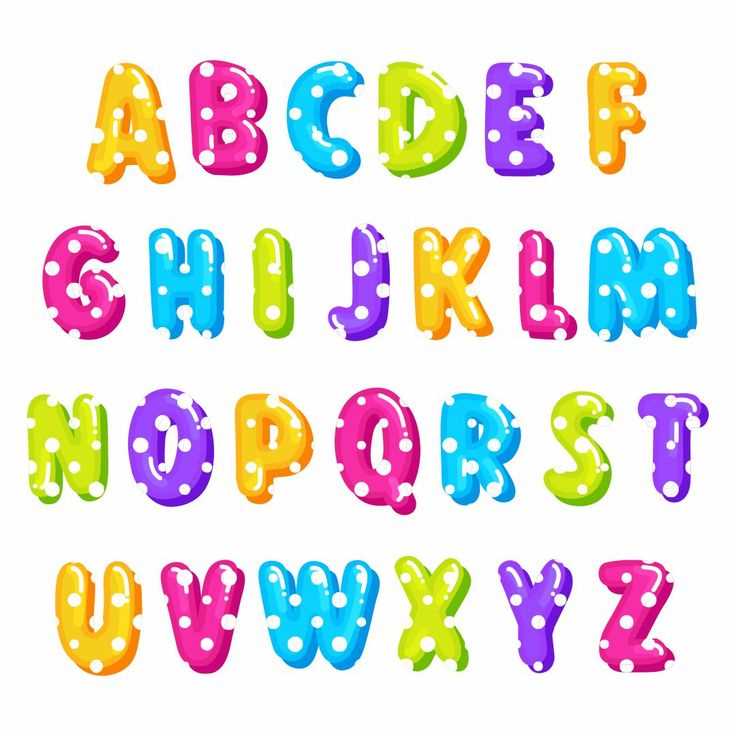
Apply ready-made alphabet characters with distinct hues to speed up early reading and spelling tasks. Use one shade per sound group to support phonics drills and visual memory during short classroom sessions.
- Create name tags and desk markers with large glyphs for quick recognition
- Build word walls by grouping characters by color families
- Assemble matching games where learners pair symbols by shape and tone
For hands-on activities, cut out character shapes and mount them on cardboard or foam sheets. This method works well for tactile exercises, allowing children to trace outlines or arrange symbols into words on felt boards.
- Use thick paper for durability during repeated handling
- Laminate finished pieces to protect surfaces from wear
- Store sets in labeled envelopes sorted by size or style
Tips for Printing, Cutting, and Reusing Coloured Letter Sets
Select a standard paper size such as A4 or US Letter before sending files to the printer. Disable automatic scaling to keep character proportions intact and avoid uneven margins during output.
Use heavier stock between 160–220 gsm for classroom materials and craft pieces. Thicker sheets reduce curling, hold ink better, and withstand repeated handling without tearing.
Adjust printer settings to a high-quality mode only for final copies. Draft mode works for test pages and saves ink while checking alignment, spacing, and tone accuracy.
Cut alphabet symbols with precision tools rather than standard scissors. Craft knives or rotary cutters produce cleaner edges, especially on curved shapes and narrow strokes.
For frequent reuse, seal finished shapes with laminating pouches or clear adhesive film. This protects surfaces from moisture, fingerprints, and fading under classroom lighting.
Sort completed characters by size, font style, or shade group. Flat storage boxes or zip folders prevent bending and speed up access during lessons or creative sessions.
Label containers clearly using small sample glyphs on the outside. Visual markers reduce sorting time and help children return pieces to the correct place after use.
Replace damaged items selectively instead of redoing entire sets. Keeping digital originals organized by folder allows quick reprinting of single pages when needed.