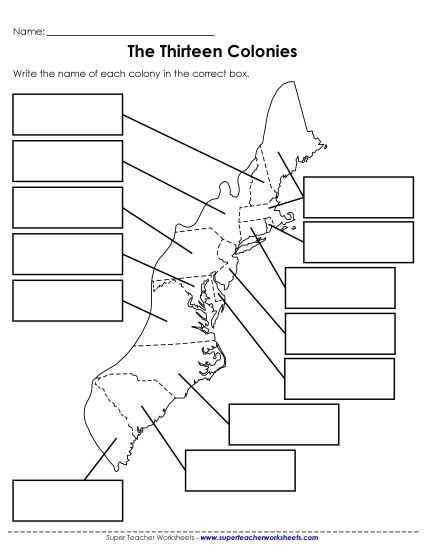
Use a clear geographic chart showing the thirteen British settlements along the Atlantic coast to support U.S. history lessons and homework tasks. Choose versions with labeled borders and colony names to help students identify locations without extra reference materials.
For classroom work, select black-and-white layouts for note-taking and quizzes, or shaded region versions to highlight groups such as New England, Middle, and Southern areas. Files with large margins leave space for dates, capitals, and key facts.
Teachers often prefer diagrams sized for A4 or US Letter to avoid resizing issues. Consistent scale and accurate coastline details make it easier to compare settlement positions, trade routes, and regional differences.
Store downloaded files by grade level or topic to reuse them across units on colonial history, independence causes, and early American geography. Keeping separate copies for student activities and answer keys saves preparation time.
Map Types of the Thirteen Original Colonies for Classroom and Homework Use
Select a geographic chart with clearly marked borders and settlement names for daily lessons. Versions that include rivers, coastlines, and neighboring territories help students understand trade routes and regional placement without extra atlases.
For assignments and tests, choose outline-only layouts without labels. These versions work well for quizzes, coloring tasks, and handwritten notes. Shaded region charts suit comparison exercises, allowing learners to distinguish New England, Middle, and Southern areas quickly while keeping the scale consistent for accurate reference.
Ways to Use Colony Maps for History Lessons Tests and Projects
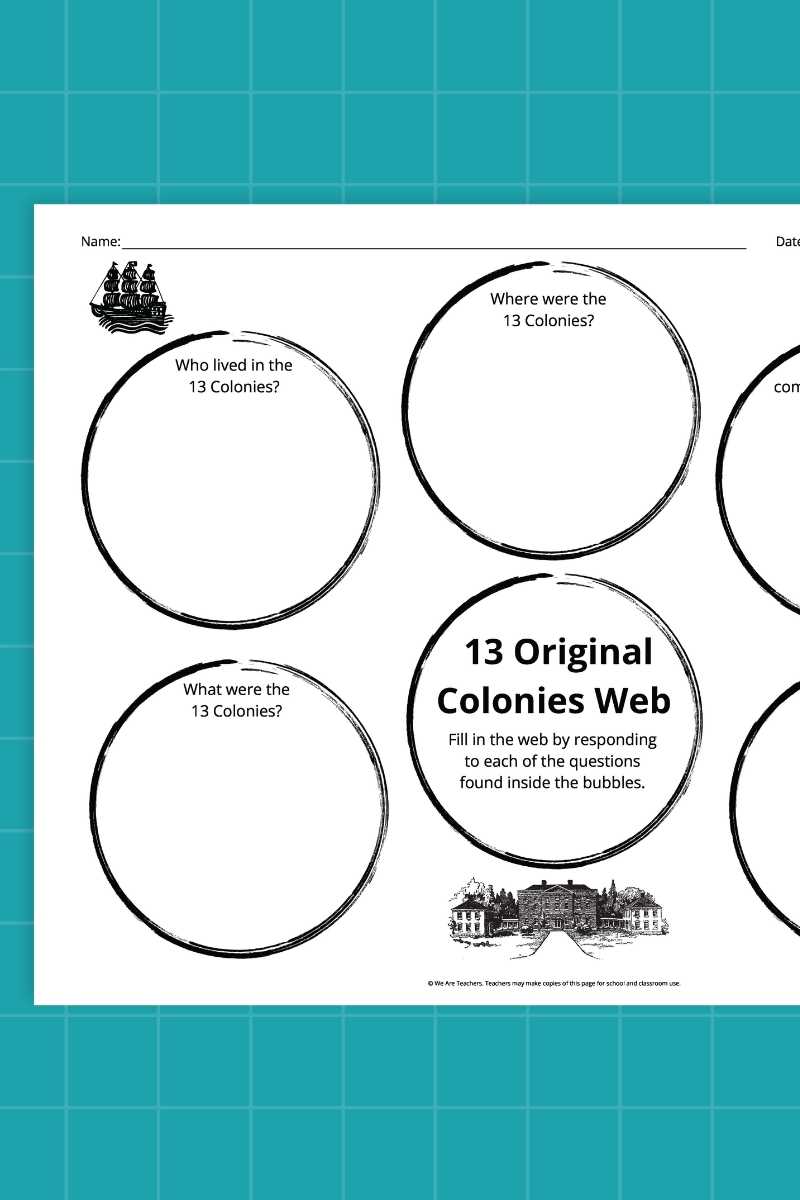
Assign geographic charts during lessons to mark settlement names, capitals, and border lines directly on the page. This approach supports memorization of locations and helps students connect historical events with specific regions.
For assessments and projects, use unlabeled outlines as test sheets or research bases. Learners can add trade routes, key dates, or notes about agriculture and resources. Group projects benefit from larger formats that allow teams to compare regions, annotate differences, and present findings clearly.