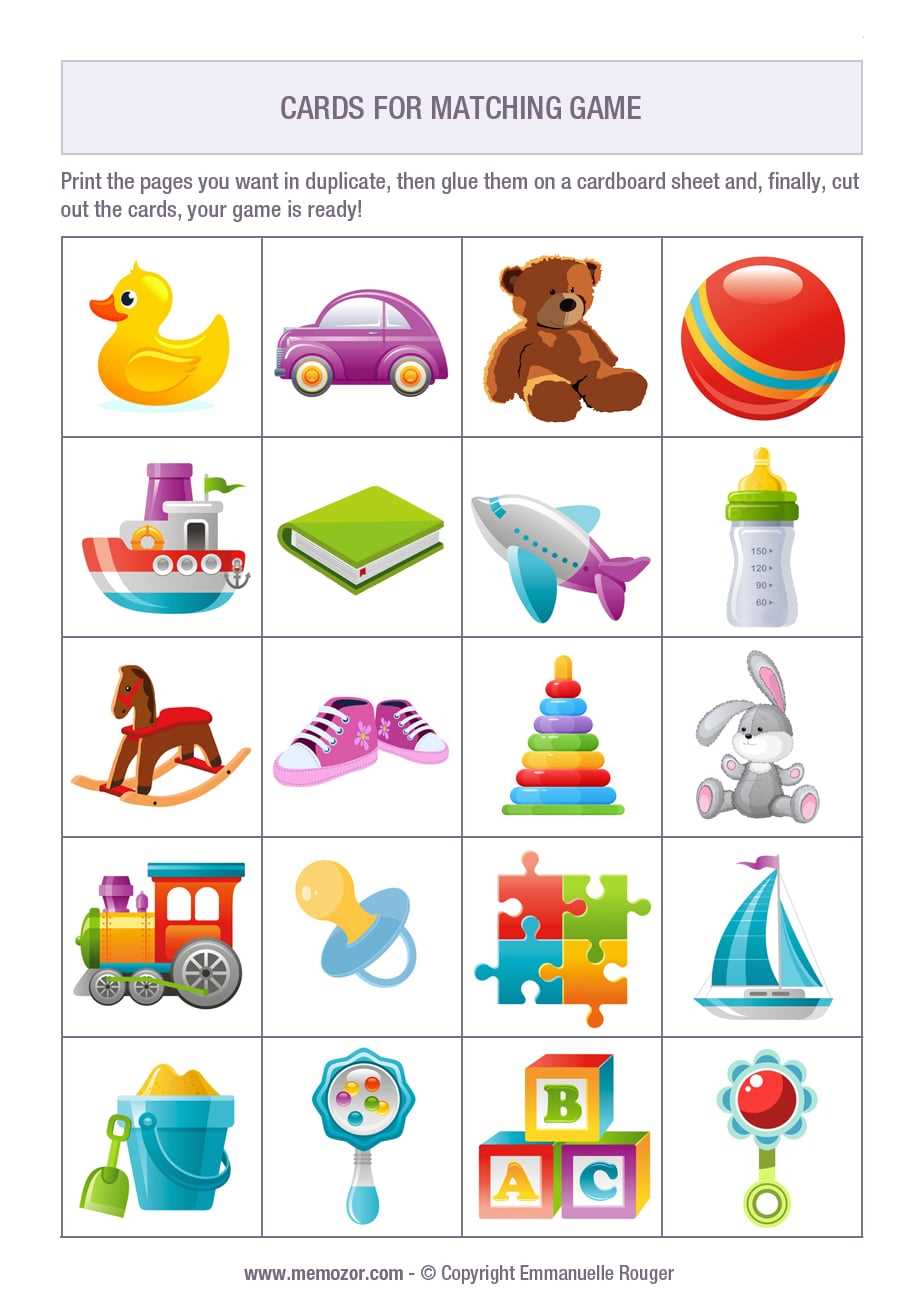
Start by downloading fun and engaging activities from reliable online sources. Many educational websites offer various exercises designed to test memory, logic, and recognition skills. These activities are easy to print and perfect for entertainment at home or on the go. Simply visit trusted sites like Puzzle Baron or Crayola to browse a wide selection of themes and difficulty levels.
How to Print and Prepare Activities
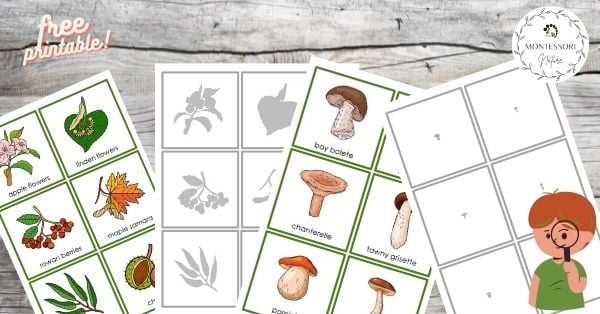
After selecting your preferred activity, download the file in PDF or image format. Most puzzles are designed to fit standard letter-sized paper (8.5 x 11 inches), but be sure to check the printer settings to avoid any image distortion. For an optimal result, choose “fit to page” when printing and ensure the paper type matches the one suggested on the website (e.g., regular or cardstock for sturdier materials). Printing multiple copies of the same activity can help if you prefer to try different variations or make mistakes while solving them.
Creative Ways to Enhance the Fun
Once you have printed the activity sheets, try enhancing the fun by adding color or personal touches. Encourage kids to color in the images while they play. This makes the experience even more engaging and promotes creativity. You can also create your own version of the activities by using stickers or other craft supplies to give a hands-on element to the process. If solving the activities digitally, various apps can help you annotate or solve the puzzles right on your screen without printing.
Using these printouts for family game nights or group activities is an excellent way to bond and improve cognitive skills. Be sure to have a variety of themes to keep everyone entertained, whether you’re solving animal-related, holiday-themed, or nature-based activities. The flexibility of printable versions means they can be tailored to different age groups, ensuring everyone from young children to adults can enjoy the fun.
Printable Memory and Recognition Activities
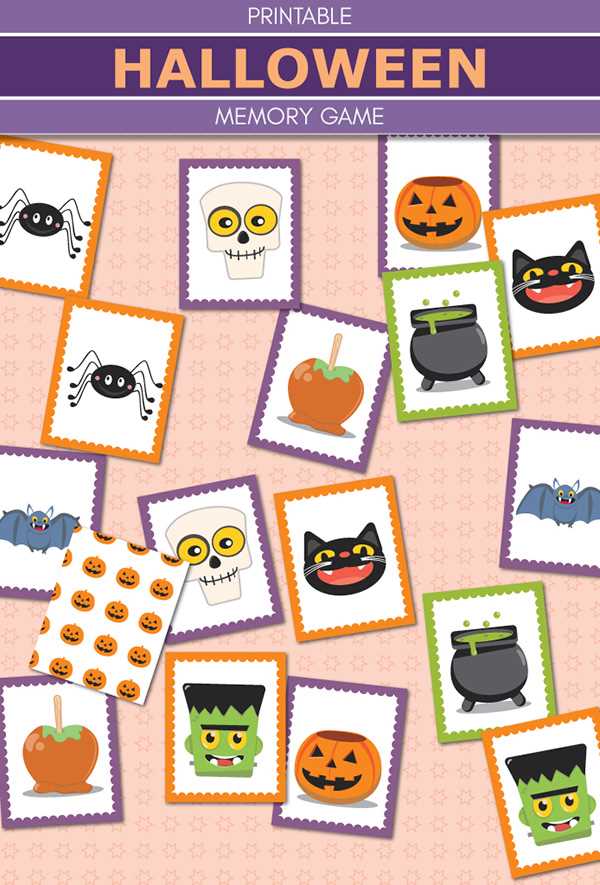
Visit websites like Puzzle Baron or Crayola to download a variety of memory-building exercises. These platforms offer engaging visuals and simple instructions, making them ideal for both kids and adults. By downloading the PDF files, you can easily print out these activities and keep them ready for use at home or on the go.
Many resources provide these exercises in different difficulty levels, ensuring there’s an appropriate challenge for everyone. Beginners can start with simpler designs, while those looking for a challenge can explore more intricate setups. Ensure that you download the correct format, typically PDF or JPG, and double-check the layout to avoid any resizing or cutting off of the design when printed.
After downloading, print the activities using standard letter-sized paper. Make sure to adjust your printer settings for the best quality. For high-quality results, avoid scaling the page to fit and print it at 100% size to preserve all the details. It’s a good idea to print multiple copies if you plan to use them repeatedly or for larger groups.
Once printed, consider laminating the sheets for durability, especially if you’re using them for long-term activities or with younger children. Laminating helps preserve the sheets from wear and tear, and you can reuse them with dry-erase markers for multiple rounds of fun. If laminating isn’t an option, simply store the printed materials in a folder to keep them in good condition.
In addition to the basic printout, you can enhance these exercises by adding your own elements. Use stickers, stamps, or other decorations to make the experience more interactive. For example, after solving the activity, reward participants by adding stickers to their correct matches. This simple addition can further motivate children to complete the tasks.
If you’re organizing a group activity, you can create a challenge by setting a time limit for solving the tasks or making it competitive by seeing who can finish the most pairs in a set amount of time. This helps engage participants while boosting their cognitive skills, making it a fun educational activity for children or adults alike.
If you’re looking for more variety, consider mixing different themes into the same set of tasks. For example, you could combine animal illustrations with shapes or seasonal characters, which helps reinforce recognition of different concepts while keeping the activity fresh and interesting. Mixing themes encourages participants to think outside the box and test their memory with different types of information.
For digital alternatives, you can convert the printed files into editable PDFs or use apps that allow you to complete these exercises directly on a tablet or computer. This gives you the flexibility to engage with the activities in various formats, whether offline or online, ensuring a diverse and dynamic experience.