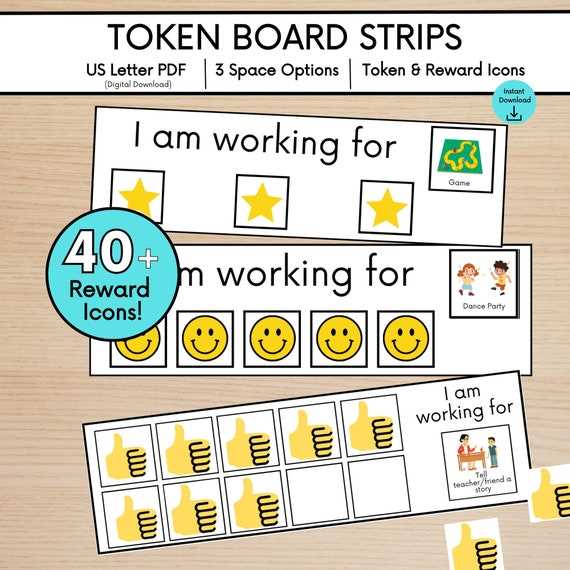
Start by designing a reward chart tailored to specific goals. Make sure it’s visually clear and simple to understand. Each slot should correspond to a desired behavior or task completed, with a clear reward awaiting upon completion. The chart can be a printed sheet, a dry-erase surface, or even a magnetic system depending on what works best for your setting.
Designing an Effective Reward System
Focus on creating a system that aligns with the individual’s needs. For younger children or those with special needs, use colorful images or icons that represent specific tasks. Each image can represent an action like “homework completed,” “chores done,” or “positive behavior,” making it easy for them to grasp the concept. You can also incorporate stars, checkmarks, or smiley faces for visual reinforcement.
- Choose age-appropriate rewards: Offer tangible rewards such as extra playtime, stickers, or a small toy. Keep the rewards manageable, so they stay motivational without overloading the system.
- Consistency is key: Make sure to reinforce the chart system daily. Recognize positive behavior immediately to build strong associations.
- Incorporate progress tracking: Regularly update the chart to reflect completed tasks and motivate the individual to keep progressing. Use a color-coded system or visual markers to track progress visually.
Creating a Custom Reward Chart for School or Home Use
Customize your system based on the environment it will be used in. If it’s for school, consider integrating specific school-related goals like “raise hand to speak,” “stay in seat,” or “follow instructions.” At home, you may focus on “cleaning room,” “helping with dinner,” or “getting ready for bed on time.”
Incorporating Flexibility and Adjustments
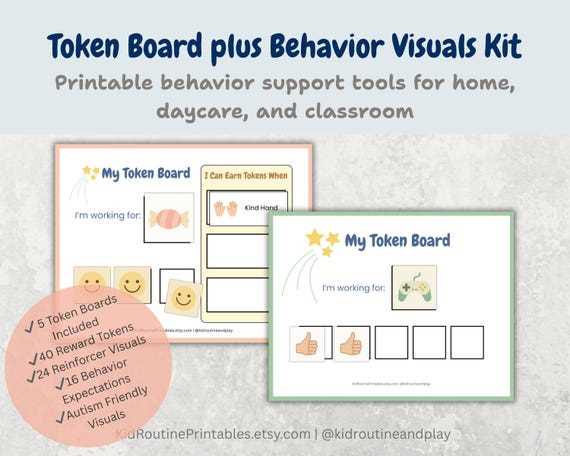
Ensure the system allows for adjustments over time. As the individual progresses, consider offering more challenging tasks and higher-value rewards. This will keep them engaged and motivated, as the system continues to offer new and exciting opportunities for growth.
Common Mistakes to Avoid
- Too many goals at once: Avoid overwhelming the person with too many targets. Focus on a few clear and achievable goals at first to ensure success.
- Inconsistent reinforcement: Only reward when the target behavior is achieved. Inconsistency can confuse the individual and make the system less effective.
- Unrealistic rewards: Make sure the rewards are achievable and proportionate to the task. Overly extravagant rewards can undermine the motivation of the system.
By designing a reward chart that suits the individual’s needs and environment, you can create a motivating system that encourages desired behaviors. Be consistent and make adjustments as necessary to keep the system effective and engaging over time.
Custom Reward Systems for Behavioral Tracking
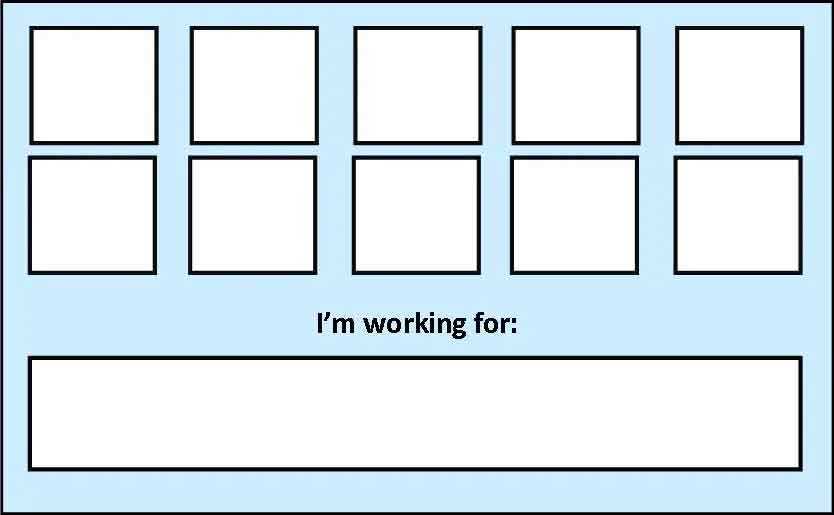
Design your system with clear visual indicators. Use simple charts that clearly mark progress toward goals. Each section should correspond to specific tasks, allowing users to easily track their achievements. You can opt for grids, rows, or columns with checkboxes or stars, which users can fill as they complete designated tasks.
Start with a manageable number of tasks. Too many goals can overwhelm the user, leading to frustration. Stick to a few key behaviors or tasks at first, and gradually introduce more as progress is made. This helps maintain motivation while preventing confusion.
Use visuals that resonate with the target audience. For younger users, consider incorporating familiar images or cartoons. For older individuals or those with specific learning needs, using symbols or colored bars can be just as effective. The key is to choose images or icons that make sense to them.
Ensure that the reward system aligns with the individual’s interests and motivation. For example, a child might be more motivated by extra playtime, while an adult might prefer a small treat or a break from a repetitive task. Rewards should be appropriate and manageable so they don’t lose value over time.
Regular updates to the chart or system are necessary to keep it engaging. Changing the tasks or rewards periodically can prevent the process from becoming monotonous. Adjust the system based on the person’s progress, making sure challenges grow along with their achievements.
Incorporating flexibility within the system helps maintain its long-term success. You can allow for minor deviations in the rewards or tasks, but consistency is important in tracking progress. Keeping the process straightforward and adaptable ensures that the system remains a useful tool for behavioral management.