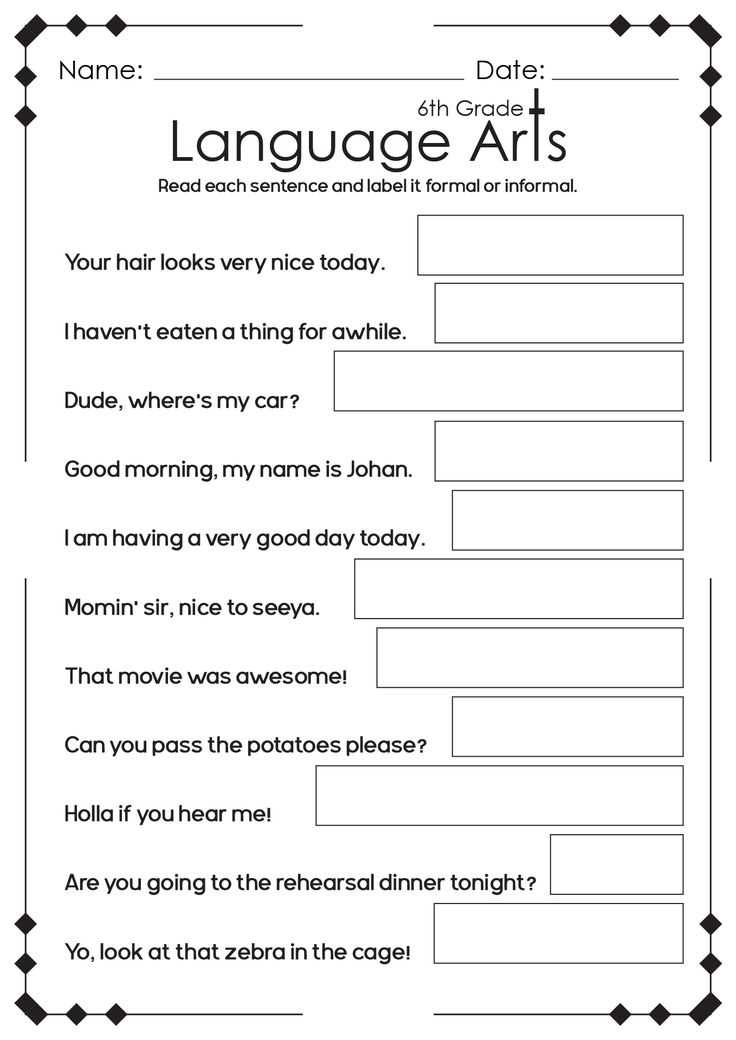
To improve reading and writing abilities, download exercises that focus on key topics like grammar, sentence structure, and vocabulary. Opt for activities that offer varied challenges to engage learners at different levels.
How to Select the Best Exercises for Your Needs
Choose materials based on the learner’s current skill level. Beginners can benefit from simpler tasks such as matching words with definitions or filling in missing letters. For more advanced students, consider exercises that require constructing full sentences or analyzing reading passages.
Look for resources that offer both practice and explanations. This will help students not only complete tasks but also understand the reasoning behind their answers. Additionally, ensure the exercises are visually clear and easy to follow, which reduces confusion during self-study.
Maximizing Learning with Printable Resources
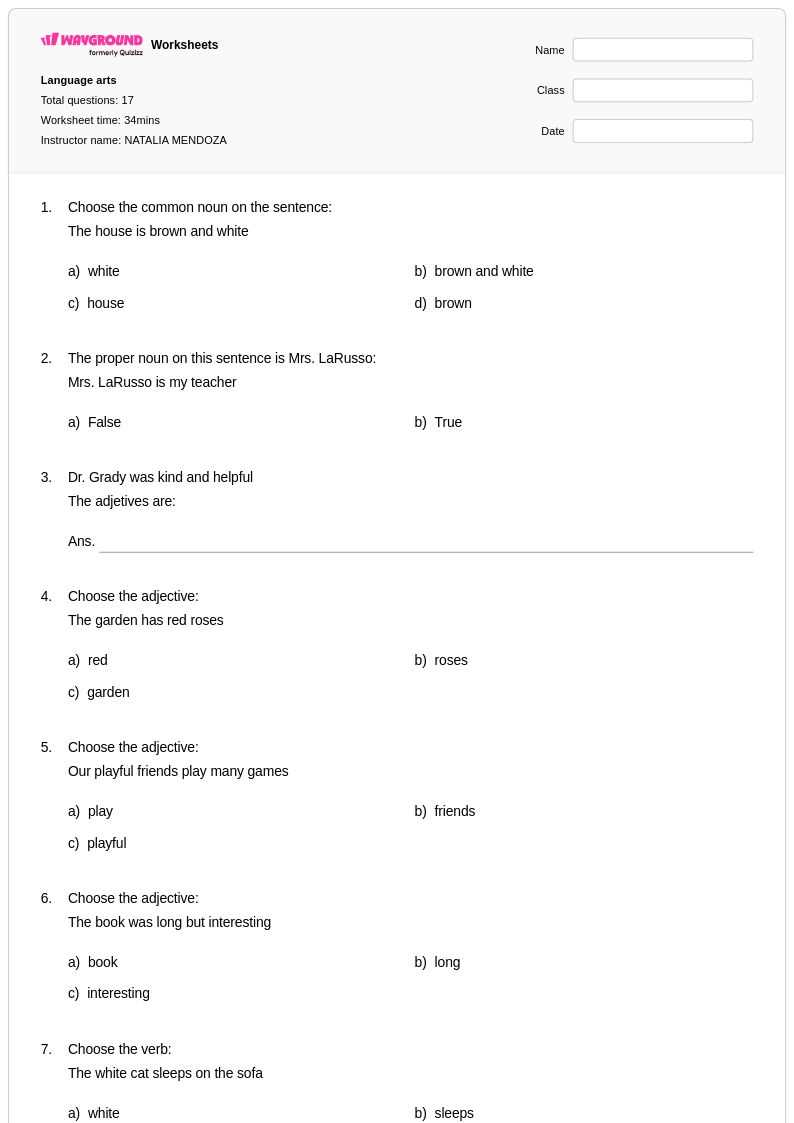
Once you’ve selected the appropriate tasks, use them regularly to reinforce learning. Spread the exercises over time, focusing on one skill at a time. This will help build strong foundational knowledge without overwhelming the learner.
Mix different types of activities, such as multiple-choice questions, short writing prompts, and word puzzles, to maintain variety and keep learners motivated. This also ensures that they’re developing a broad set of skills, not just one area of reading or writing.
Using Printed Resources for Skill Development
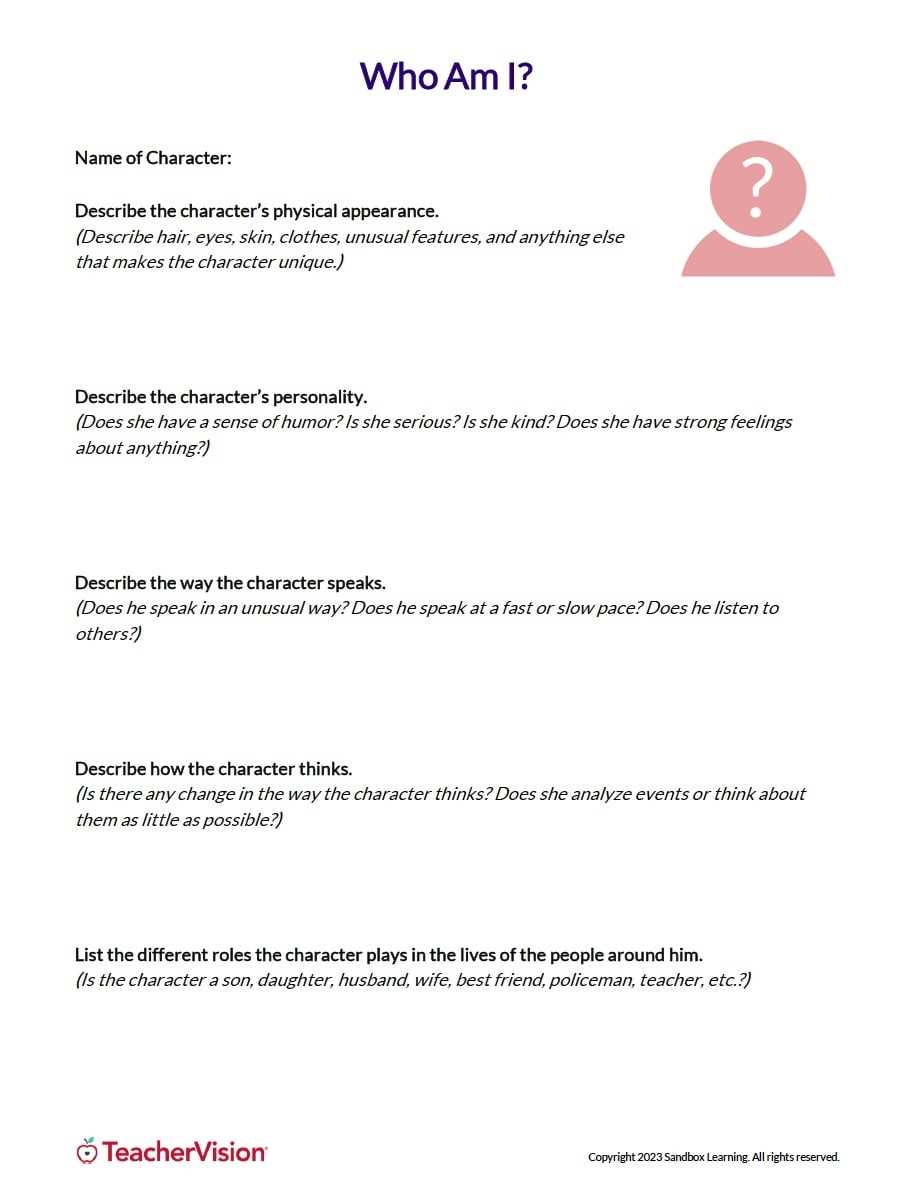
Select exercises that focus on the core areas of reading, writing, and comprehension. Ensure the tasks challenge learners to identify sentence structures, improve vocabulary, and develop clear writing techniques.
For beginner learners, start with simple activities that reinforce letter recognition, word associations, and basic punctuation. Once these foundations are solid, move on to more complex tasks like creating sentences, identifying parts of speech, and analyzing short texts.
For advanced learners, incorporate exercises that involve analyzing passages for meaning, tone, and inference. These activities push the learner to engage critically with texts, improving both comprehension and interpretive skills.
Mix activities that test both written and oral skills. For example, use exercises that include reading aloud, completing sentence construction tasks, and even summarizing readings. This helps solidify both comprehension and the ability to express thoughts coherently.
Interactive exercises like word searches and crossword puzzles can make learning more engaging. These fun, hands-on tasks also reinforce spelling and vocabulary retention without feeling like traditional learning exercises.
Consider using materials that have both guided examples and independent practice. This balance allows learners to understand the reasoning behind correct answers and apply that knowledge on their own.
Focus on repetition and gradual progression. Revisit concepts regularly to reinforce learning, but also ensure that the difficulty increases as mastery is achieved. This approach helps maintain steady growth without overwhelming the learner.
Lastly, keep the activities visually appealing. Use clear, large fonts and colorful images when appropriate to keep learners engaged. Simple design elements can make exercises less intimidating and more enjoyable to complete.