Conversions Between Common Units
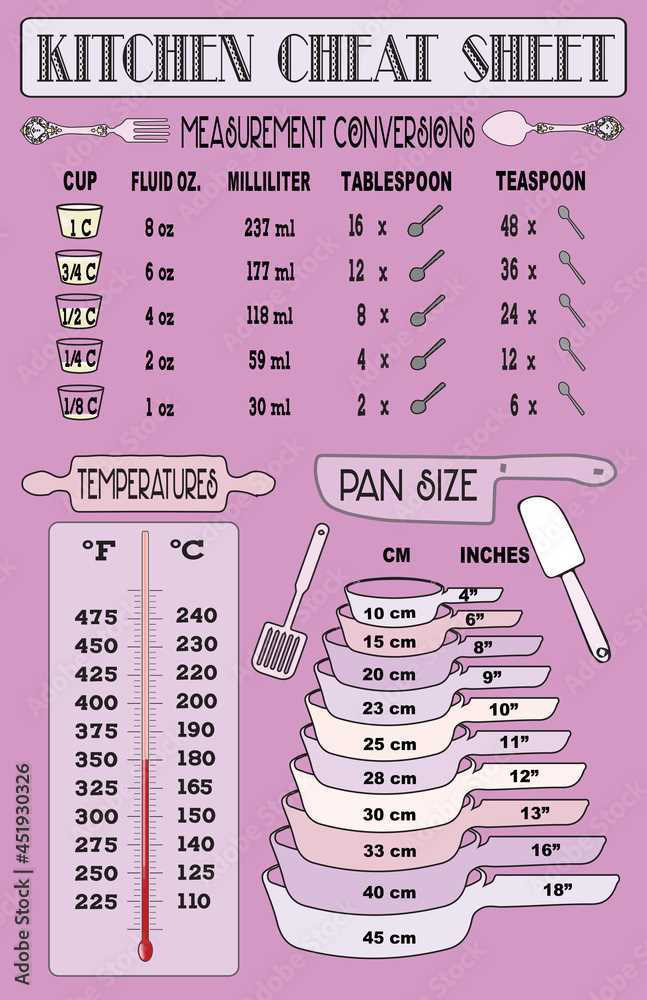
Use these precise equivalents to ensure consistency in your recipes:
- 1 cup of all-purpose flour = 120 grams
- 1 cup of granulated sugar = 200 grams
- 1 cup of butter = 227 grams
- 1 large egg = 50 grams
- 1 tablespoon of liquid = 15 milliliters
- 1 teaspoon of salt = 5 grams
Volume and Weight Equivalencies
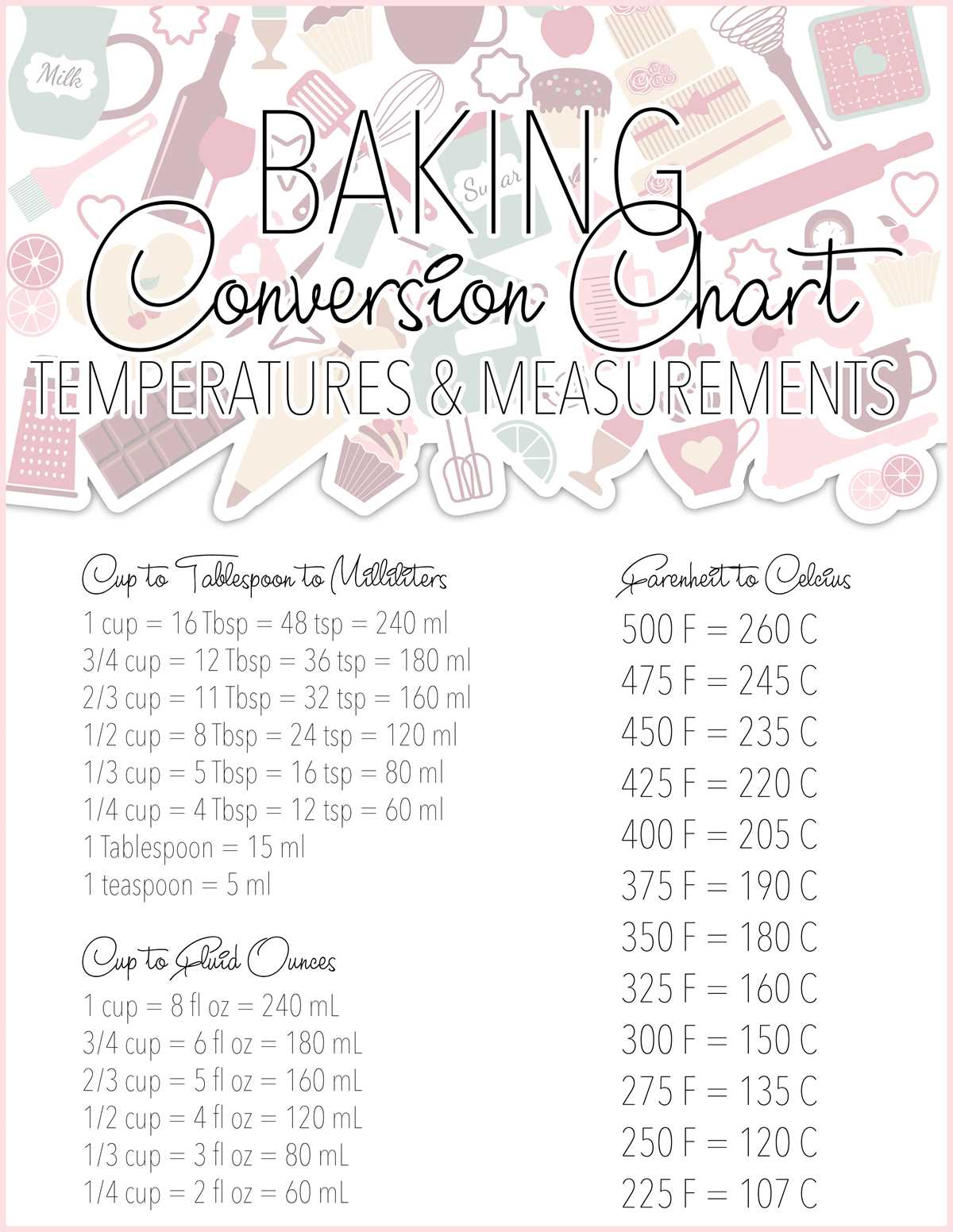
Here’s a quick reference for switching between volume and weight:
- 1 cup of water = 240 milliliters
- 1 cup of powdered sugar = 120 grams
- 1 fluid ounce = 30 milliliters
- 1 ounce (weight) = 28.35 grams
- 1 pound = 453.6 grams
Liquid to Dry Ingredient Conversion
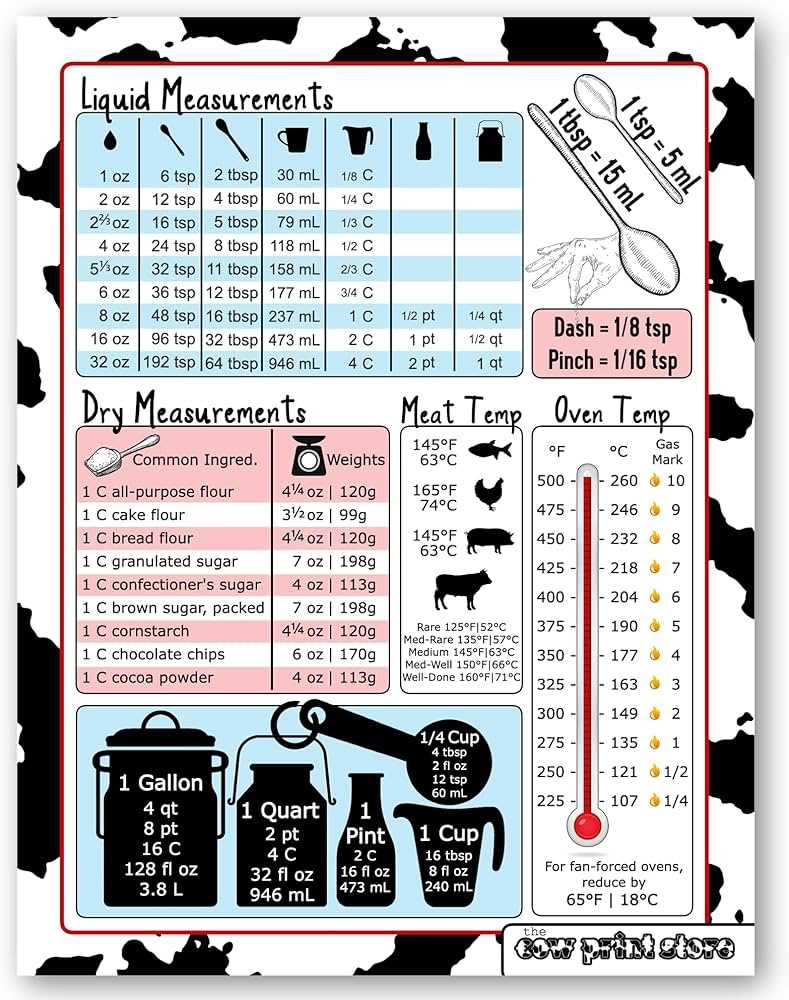
If you’re converting dry ingredients into liquid equivalents or vice versa, refer to these basics:
- 1 cup of liquid = 240 milliliters
- 1 cup of flour = 120 grams
- 1 cup of oats = 90 grams
- 1 tablespoon of honey = 21 grams
Ingredient Substitutions for the Kitchen
If you’re missing an ingredient, here are some reliable swaps:
- Butter: Use an equal amount of vegetable oil or melted coconut oil.
- Eggs: ¼ cup of unsweetened applesauce or ¼ cup of mashed banana can replace each egg.
- Milk: Swap with any non-dairy milk such as soy, almond, or oat milk in equal proportions.
- Flour: Replace with oat flour or rice flour in the same amount as all-purpose flour.
- Sugar: Maple syrup or coconut sugar can replace white sugar. Adjust for sweetness.
With these measurements and replacements, you can confidently adjust your ingredients and ensure a successful result in any recipe.
How to Measure Ingredients Correctly in the Kitchen
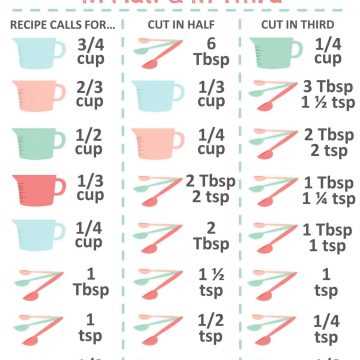
To make your recipes more accurate, it’s vital to use precise measurements. For instance, one cup of all-purpose flour should weigh around 120 grams. If you don’t have a scale, using a spoon to fill your measuring cup and then leveling it off can prevent you from adding too much flour, which would affect your dish’s texture.
For liquids like milk or water, always use a liquid measuring cup. These have markings on the side to allow you to check the amount as you pour, ensuring the measurement is accurate. When measuring honey or syrup, spray the cup with a small amount of cooking oil to help the sticky substances slide out easily.
If your recipe calls for ingredients like butter, a helpful tip is to use the markings on the packaging, which usually indicate measurements in tablespoons and cups. One stick of butter typically equals 1/2 cup or 113 grams, so this method can save you from using extra utensils.
For dry ingredients like sugar, be sure to level off the top of the measuring cup with a flat edge. This removes any air pockets or excess, giving you the correct amount. Brown sugar, on the other hand, should be packed into the cup to ensure you’re not under-measuring.
Lastly, remember that ingredient substitutions often require slight adjustments in amounts. For example, if replacing regular milk with almond milk, use the same amount but expect a slight change in consistency or taste, so factor this into your measurements accordingly.