Designing a Custom Template
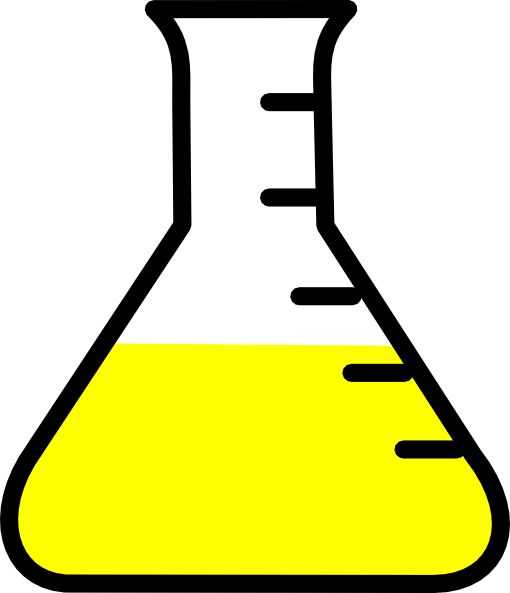
To make a highly functional laboratory glassware image for study or teaching, it’s essential to select the right type of flask or container. Start by choosing a simple yet precise illustration that can clearly represent different measurement marks and functional parts of a typical glass vessel used in experiments. A clean, uncluttered design will ensure learners focus on the key features without distractions.
Key Components to Include
Ensure your illustration includes the following:
- Scale Markings: These should be placed along the side, showing incremental volume units to demonstrate capacity and measurement accuracy.
- Neck and Opening: The top should clearly show the opening where substances would be poured or where the lid would fit.
- Base: The bottom of the container should be well-defined, with a slight curve for stability, especially if it’s meant to be placed on a flat surface during use.
Best Use Cases for Printable Templates
Templates can serve multiple educational purposes, such as:
- Drawing and Labeling Exercises: Provide students with an image of the glassware to label key parts like the neck, base, and measurement lines.
- Measurement Practice: Have learners draw liquid levels at different volume markers to reinforce their understanding of fluid dynamics and measurement accuracy.
- Designing Experiment Setups: Use the template as part of a larger lesson on setting up a lab experiment, where students can practice arranging various glassware.
Best Practices for Printing and Usage
When preparing a printable image for hands-on classroom activities, consider the following tips:
- High Resolution: Ensure the file is high quality for printing so the scale markings are crisp and clear for accurate study.
- Scalability: If needed, adjust the size of the image to match the scale required for your lesson, whether it’s a small handout or a large poster.
- Durable Materials: Print on sturdy paper or laminate the template for long-lasting use, especially if it will be used for multiple sessions or by several students.
These straightforward designs help enhance the learning experience and offer a hands-on approach to mastering laboratory procedures. The simplicity of the layout allows for focused study while still maintaining the educational depth necessary to understand lab equipment functionalities.
Printable Laboratory Vessel Templates

For educators or anyone setting up science-related activities, finding a high-quality vessel outline to print is key. It helps simplify lesson planning, especially when working with younger audiences. Use a clean, easy-to-color design that clearly shows measurement lines, ensuring that your materials are both functional and engaging. Templates should feature clear markers for fluid levels, with enough space for students to label them.
Consider adjusting the dimensions depending on your audience’s needs. For younger children, larger, bolder markings work best, while for advanced learners, smaller and more precise scale divisions may be more appropriate. Some templates come with additional accessories such as rulers or graduated markings that help reinforce measurements in a practical context. Be sure to choose one that aligns with your specific teaching goals.
Another advantage of printable vessel diagrams is the customization it allows. You can scale the template to various sizes, print it on different paper types for durability, or even laminate the result for long-term use. This flexibility ensures that these outlines will remain useful across multiple sessions or different age groups, maximizing both time and resources in the classroom.