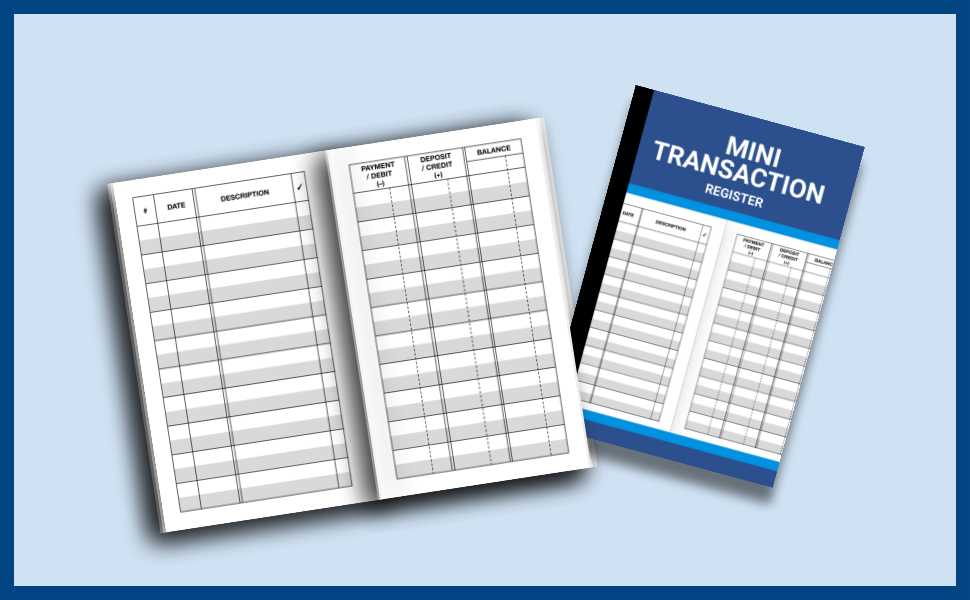
To streamline the management of your transactions, it’s best to use a well-organized financial log template. These tools help you track deposits, withdrawals, and balances, making it easy to monitor your spending.
How to Create Your Own Financial Log Sheet
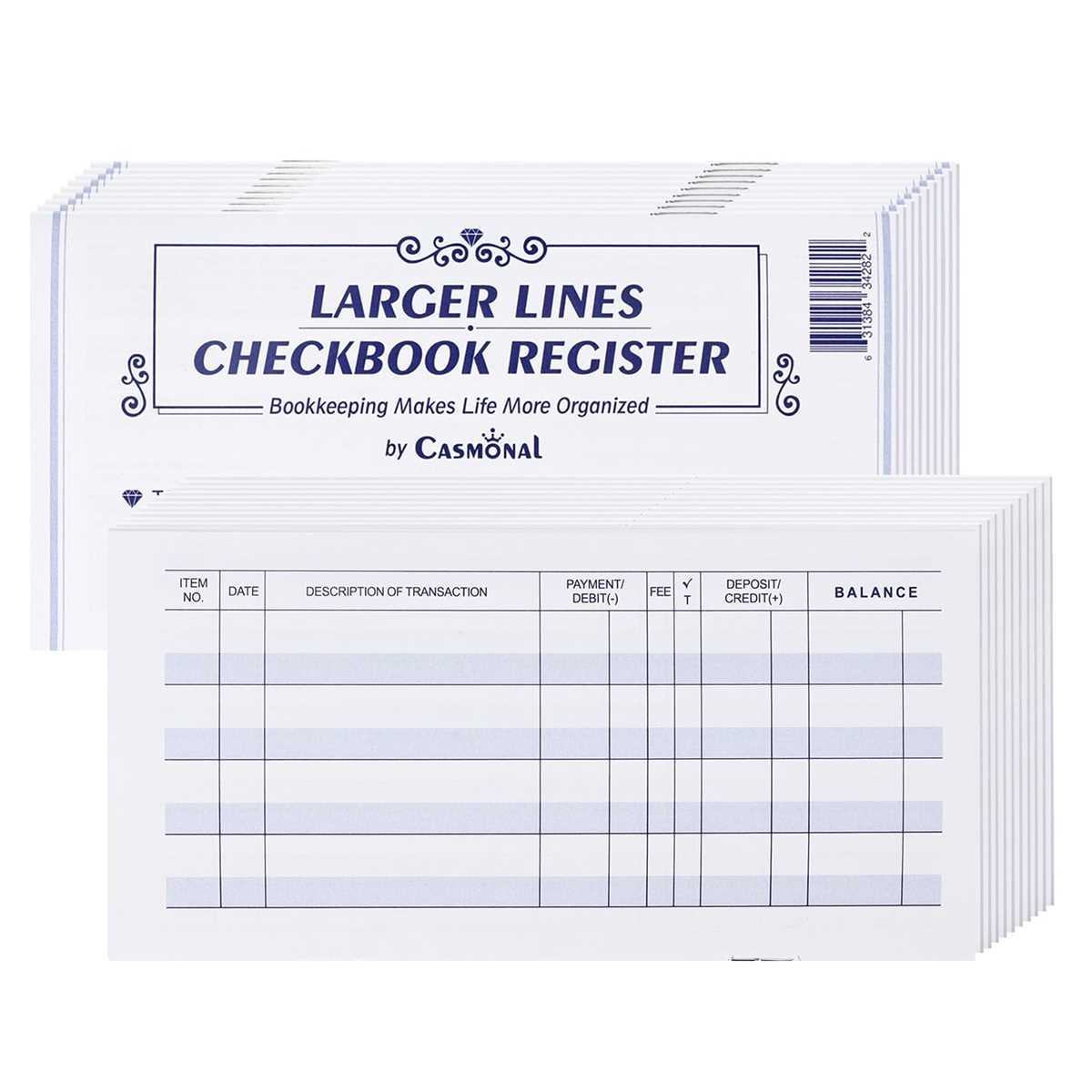
Designing your own log sheet doesn’t require advanced skills. Start by creating columns for key details: date, description, debit, credit, and balance. This allows you to track every transaction and ensure no details are missed. A simple spreadsheet or a printable template can work perfectly for daily tracking.
Here are some practical tips:
- Keep it simple: Limit the number of columns to only what’s needed, so it’s easy to fill out.
- Update regularly: Record transactions as they happen to avoid missing important entries.
- Track both sides: Always include credits (incoming money) and debits (expenses). This helps in understanding cash flow.
Tools for Creating Financial Logs
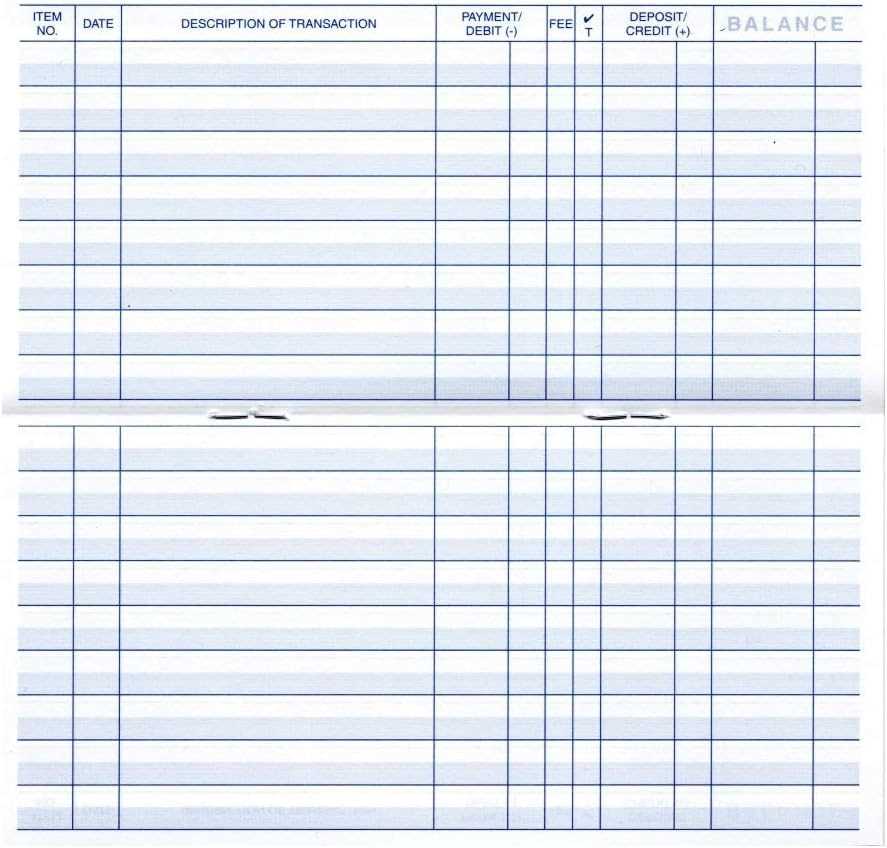
There are several free templates available online. You can also use spreadsheet programs like Excel or Google Sheets, which allow you to customize your sheet to suit your needs. Consider adding features like automatic balance calculations to save time.
Best Practices for Managing Your Transactions with Logs
To keep your financial logs effective and easy to use, follow these guidelines:
- Consistency is key: Record every transaction, whether large or small. Missing even a single entry can result in errors.
- Reconcile with bank statements: Periodically compare your recorded data with your bank statements to ensure accuracy.
- Use categories: For better clarity, categorize your transactions (e.g., utilities, groceries, salary) so you can easily review your spending patterns.
- Keep it accessible: Store your log in a place where you can easily update and reference it, like a cloud service or physical folder.
By following these practices, you can maintain clear and accurate financial records that will help you stay on top of your budget and manage your money more effectively.
Printable Financial Tracking Sheets Guide
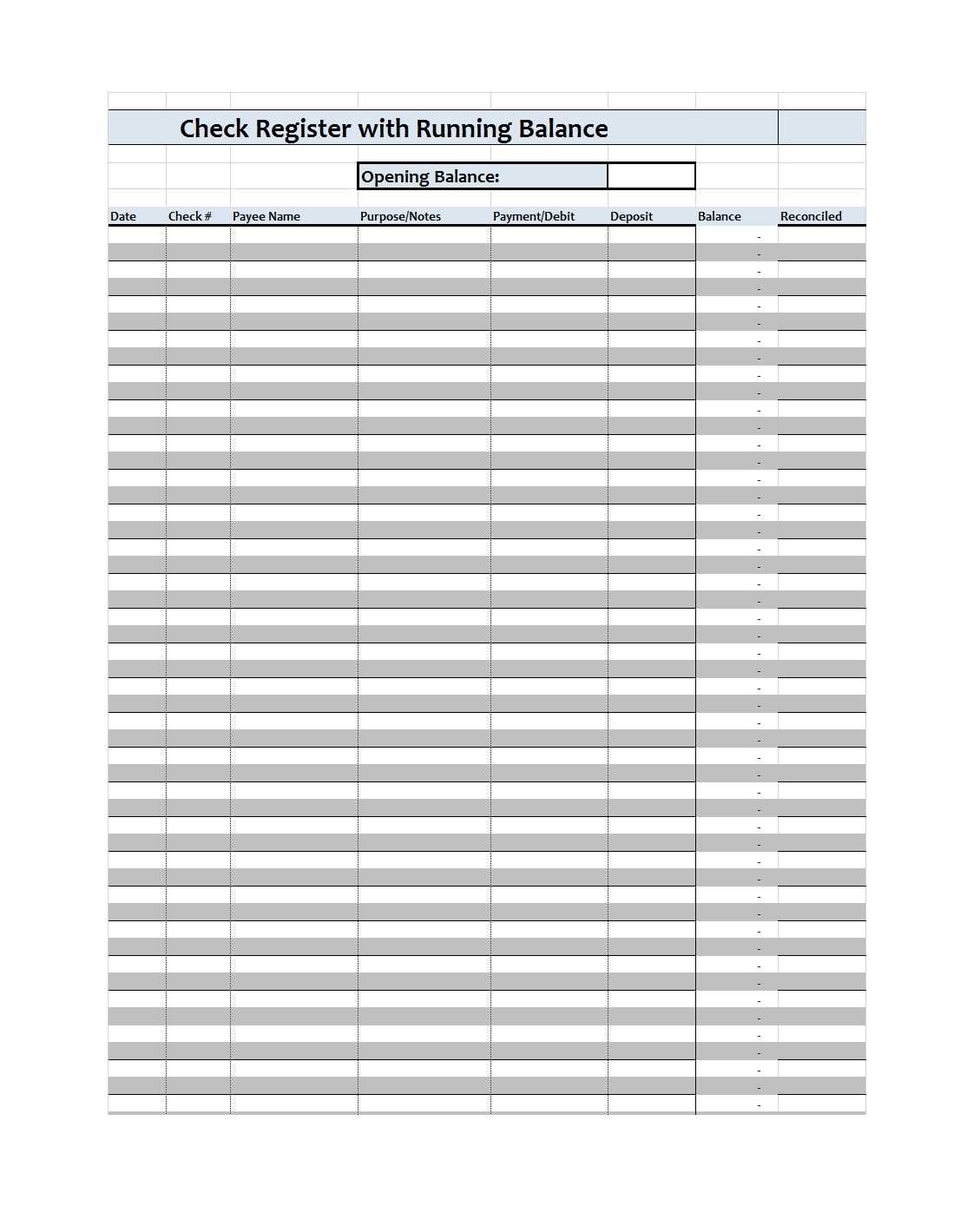
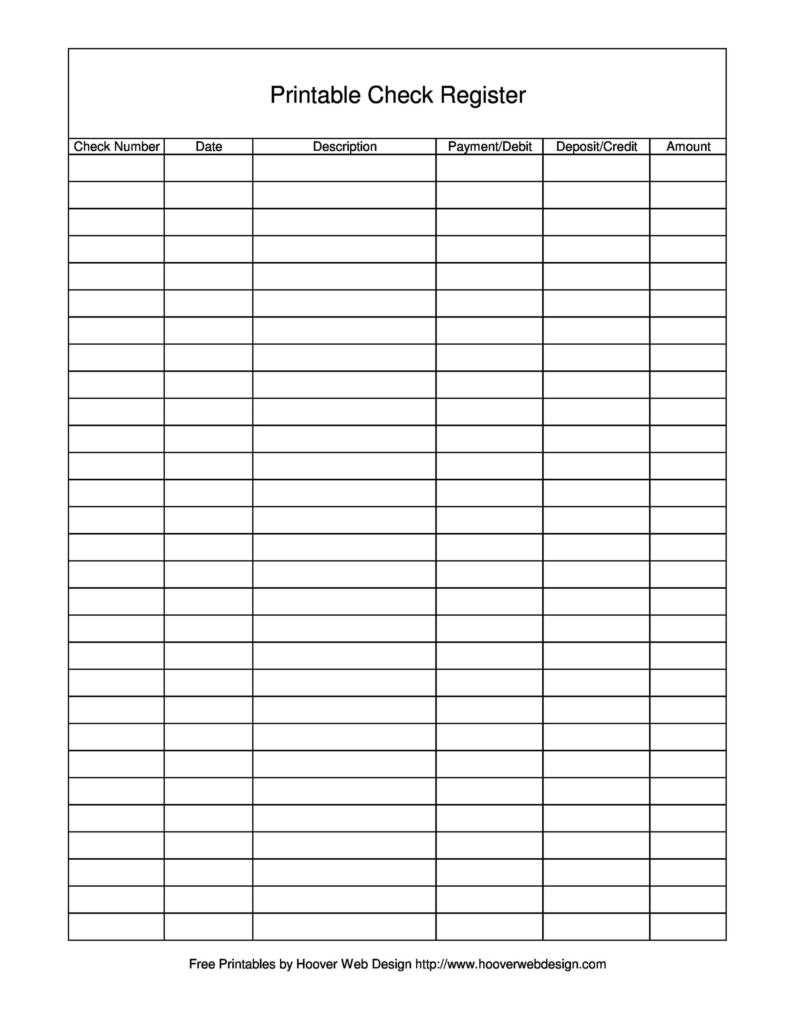
To create an efficient system for managing your expenses, use a financial tracking sheet. Include key details such as transaction date, description, amount, and balance. This will help you monitor all your income and spending. If you prefer physical copies, look for templates designed for printing. These sheets can be filled out by hand and offer a simple yet effective way to keep track of your finances without relying on digital tools.
When choosing a template, prioritize clear sections for both incoming funds and outgoing payments. Add a running balance column to instantly see the effect of each transaction. For a more detailed approach, consider adding categories to track specific expenses like utilities, entertainment, and savings. This will give you a better understanding of where your money is going each month, making it easier to adjust your spending habits accordingly.