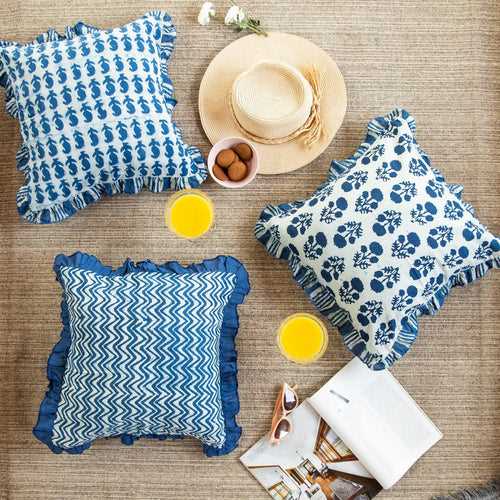
To personalize your living space, one of the easiest solutions is to create custom designs for cushion slipcovers. Using fabric markers or heat transfer vinyl, you can easily print and add unique designs to your decor. Here’s how you can make the most of this technique.
Choosing the Right Fabric
Start with selecting a fabric that is durable yet easy to work with. Cotton or linen is ideal for most DIY projects as they hold prints well and are comfortable to use. Make sure the material is thick enough to withstand multiple washes without losing its shape or design quality.
Fabric Options
- Cotton: Great for both printing and comfort. Ideal for everyday use.
- Linen: Offers a more textured look, perfect for a rustic or elegant style.
- Polyester Blend: More durable and resistant to stains, though less breathable than natural fibers.
Printing Methods for Custom Designs
Once you’ve chosen your fabric, the next step is to decide on a printing method. Here are some popular options:
Heat Transfer Vinyl (HTV)
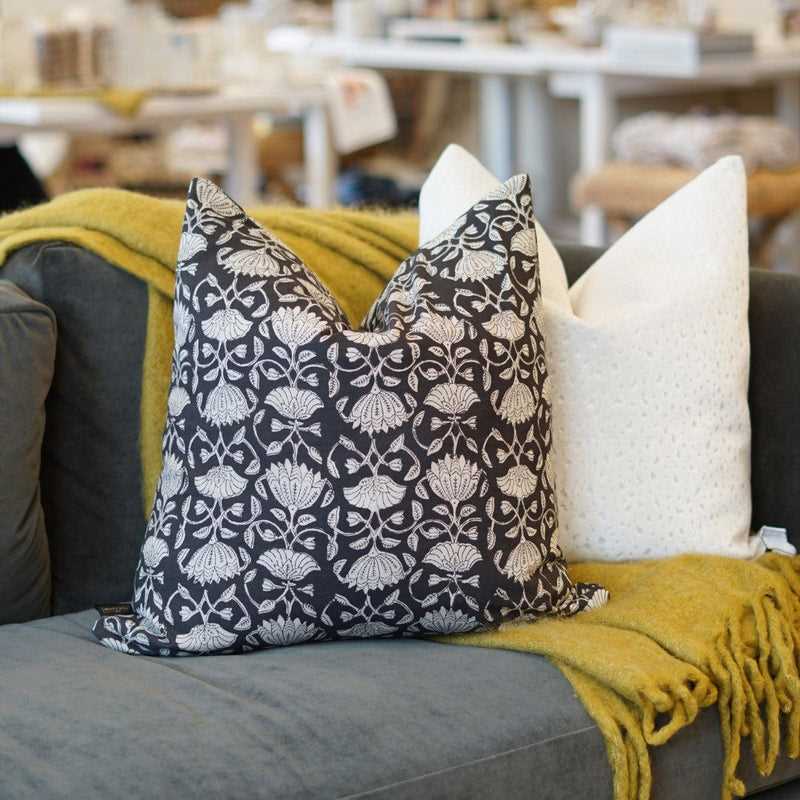
Heat transfer vinyl is one of the easiest ways to add intricate designs. Simply cut the vinyl into the desired pattern and use an iron or heat press to transfer it onto the fabric. HTV is available in a variety of colors and finishes, including metallic and glitter, which can add a unique touch to your creations.
Fabric Paints and Markers
If you prefer a more hands-on approach, fabric paints and markers allow for a freehand style. They work best for simple designs or personalized messages. Always let the design dry completely before using the slipcovers to avoid smudging.
Design Ideas for Your Cushions
When designing your cushion slipcovers, consider what style you want to achieve. A modern, minimalist pattern might work well in a contemporary living room, while a vibrant floral print could liven up a rustic cabin. Here are a few ideas to get you started:
- Geometric Patterns: Bold, clean lines can create a modern look that works in any room.
- Floral and Nature-Inspired Designs: Ideal for creating a calming atmosphere.
- Text or Quotes: Adding a meaningful message can make the cushions more personal and unique.
Customizing with Photos
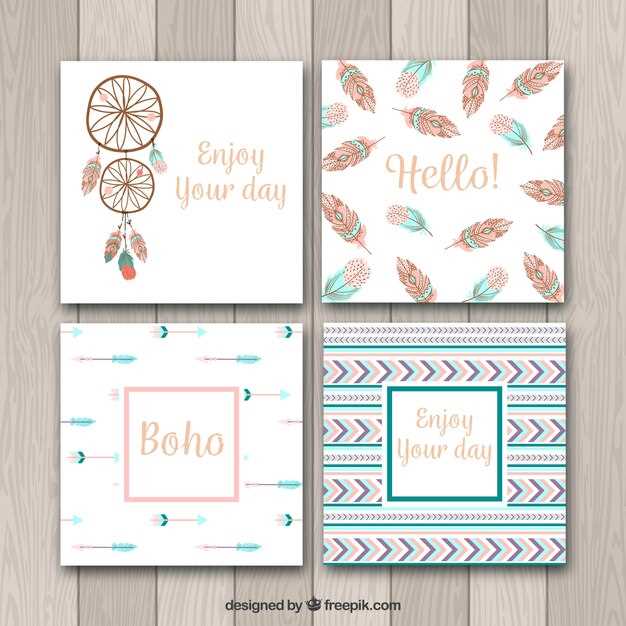
Another option is to print photos onto fabric using fabric transfer paper. This allows you to add personal memories or family photos to your interior design. Ensure the image resolution is high enough to avoid pixelation after printing.
Maintaining Your Custom Cushions
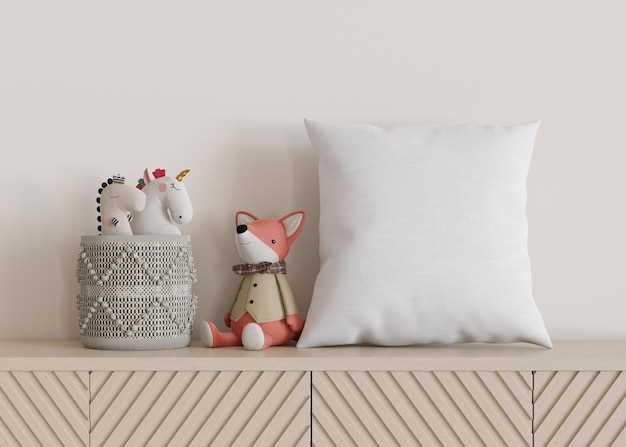
Once you’ve created your unique designs, proper care is important to preserve their look. Wash the slipcovers inside out to protect the prints, and avoid harsh chemicals that may fade the design. Air drying is the best method, though you can also tumble dry on a low heat setting if necessary.
With the right tools and creativity, you can easily craft unique cushion slipcovers that reflect your personality and enhance the atmosphere of any room. Start experimenting today, and don’t forget to have fun with it!
Printable Pillow Covers: A Practical Guide
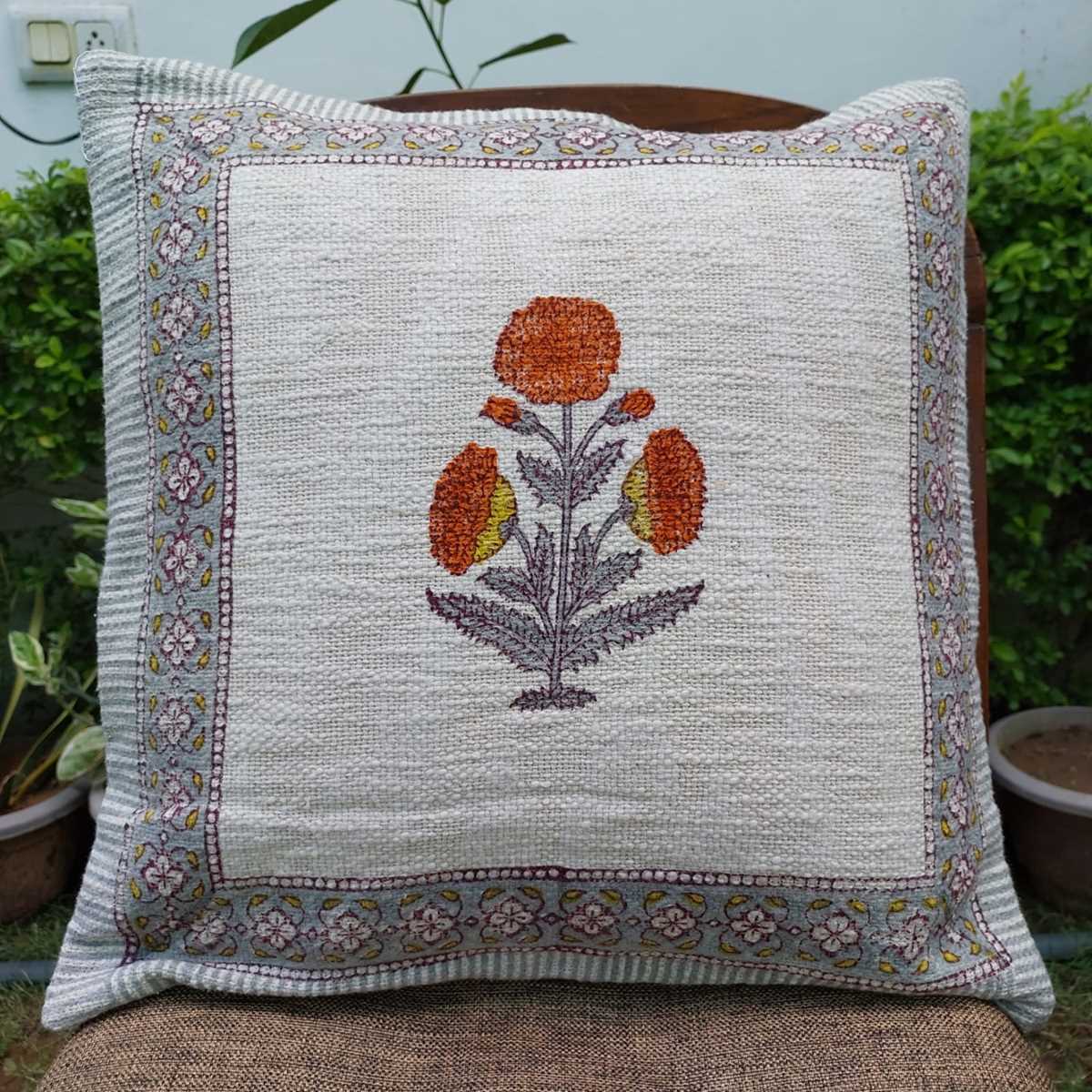
Choose fabric with a smooth texture for printing. Cotton or linen blends are ideal for ensuring vibrant results, as they allow ink to adhere well without causing smudging. Avoid fabrics that are too slick or too rough, as these can lead to uneven prints.
For long-lasting designs, opt for fabric paints or inks that are specifically made for textiles. Regular printer ink may fade quickly after washing. Textile paints are water-resistant and dry faster, keeping your design intact over time.
If you’re using a regular home printer, make sure it’s capable of handling fabric sheets. Purchase pre-treated fabric paper, which can be loaded directly into the printer, saving you the hassle of manually attaching fabric to transfer sheets.
Heat setting your design is necessary for durability. After printing, place the fabric in a dryer or iron it with a heat setting to lock the ink or paint. This step prevents the design from washing out after multiple cycles.
Consider the size and placement of the design before printing. Measure the fabric carefully, leaving some margin for trimming. If your design is large, consider breaking it up into sections and printing them separately to avoid stretching or distortion.
Use high-quality image files for the best results. Low-resolution images will appear pixelated when printed on fabric. Opt for high-resolution images or vector files for crisp, clear prints.
If you’re not familiar with design software, simple online tools can help you create and adjust your designs. Tools like Canva or Adobe Spark allow you to add text, shapes, or photos to your fabric print in minutes.
When creating multiple designs, experiment with different color schemes. Bright colors tend to stand out on light fabrics, while darker tones work well on lighter materials. Play with contrast to make your creation more visually striking.