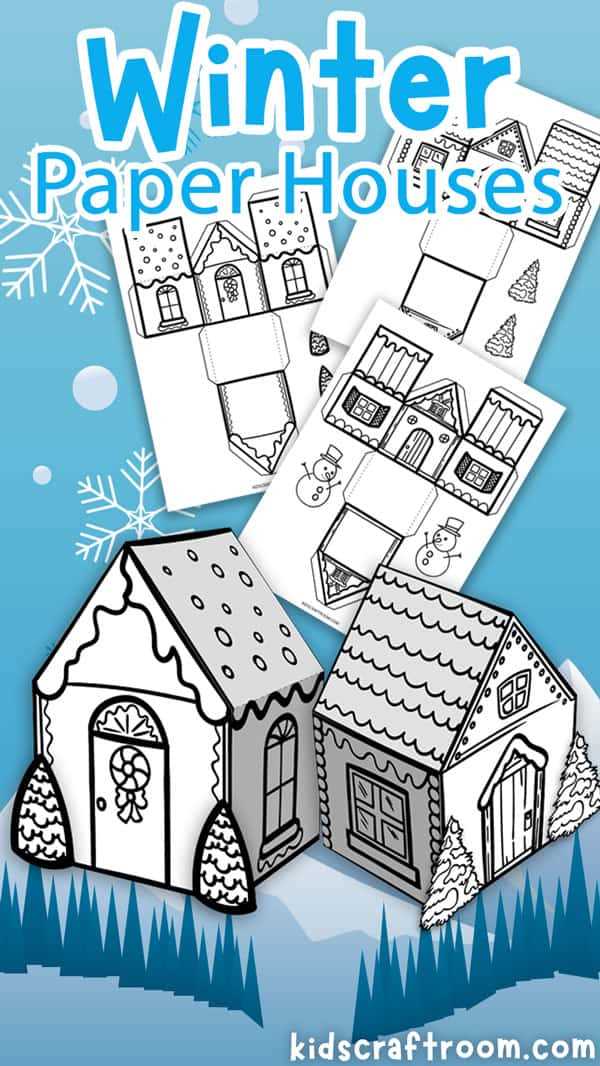
Start by selecting a design that fits the level of detail you want for your model. Look for a downloadable structure with clear cut lines and parts that are easy to assemble. Many websites offer free resources with multiple designs, ranging from simple shapes to more intricate forms. Choose a file type like PDF that allows you to easily print the pieces without losing the scale or quality.
How to Prepare the Structure for Assembly
Before starting the assembly, gather all the necessary tools: scissors, glue, a ruler, and optionally, markers or paints for decorating. Print the design on thick paper or lightweight cardboard to ensure the pieces are sturdy and can hold up during handling. Make sure to cut out each part carefully, following the outline of each piece. If the design includes tabs for gluing, make sure these are folded neatly for a clean finish.
Creative Ways to Enhance the Design
Once the structure is assembled, think about ways to personalize it. Add colors, patterns, or textures to make the model unique. You can use markers, colored pencils, or even scrapbooking materials to decorate the surfaces. Adding little details such as windows, doors, or additional embellishments can give your model a more realistic look. Try using small fabric or paper scraps to enhance the appearance or add texture to certain areas.
For a more detailed project, consider adding movable parts, like opening windows or removable roofs, by attaching parts with small brads or paper fasteners. This can make your model even more interactive and fun for display or educational purposes.
Lastly, if you’re creating a collection of models, think about designing a set with matching pieces, such as a series of similar buildings or structures. You can use different colors or sizes to make each one stand out while keeping them thematically linked. This will give your project a polished and cohesive look.
How to Assemble a Model Using a Simple Design
Start by choosing a design with clear lines and well-defined sections for easy cutting. It’s recommended to print the design on thicker card stock or lightweight cardboard for added durability. After printing, carefully cut along the outline of each piece. Ensure you leave extra space on the tabs where glue will be applied, and score along fold lines for clean, sharp creases.
As you begin putting the pieces together, use a strong adhesive like glue sticks or tacky glue for secure attachment. Hold each section in place for a few seconds to ensure the glue bonds properly. For intricate designs, it may help to work in sections and allow each part to dry before moving to the next. A well-organized workspace and patience are key when constructing detailed models.
For added customization, paint or decorate the pieces before assembling them. This method gives you more control over the color scheme and allows you to add extra details like windows, doors, or patterns. Consider adding small embellishments such as fabric or textured paper to give your model a unique and more realistic appearance. This step is optional but will make your model more personalized and eye-catching.