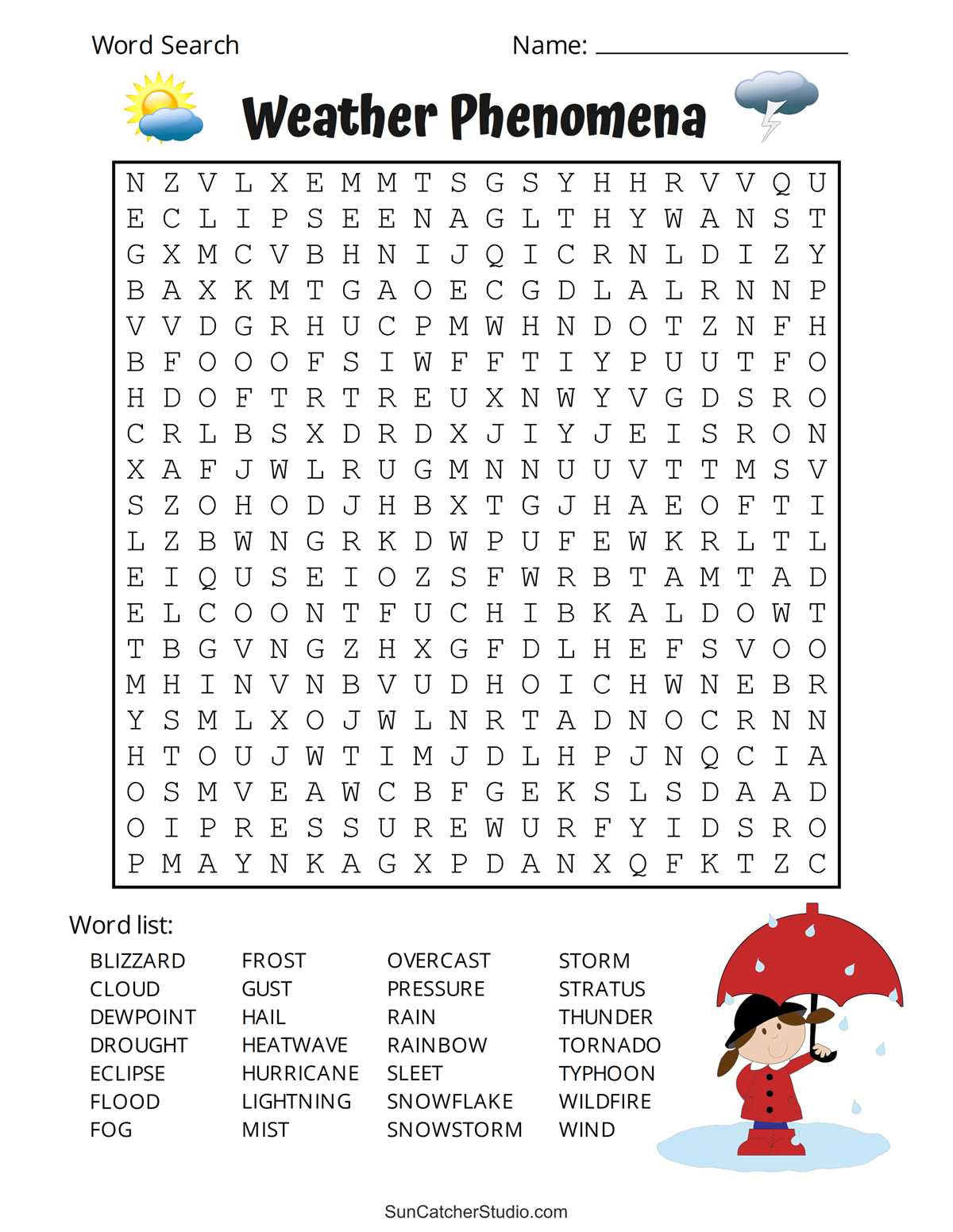
To enhance cognitive abilities and improve vocabulary retention, engage in activities that involve searching for hidden terms in a grid. These exercises are ideal for individuals looking to test their mental agility while expanding their word recognition skills. Start with puzzles that incorporate longer and more complex sequences to truly challenge yourself.
Custom-designed grids are a great way to make the activity more interesting. Look for resources that allow you to customize the size of the puzzle or select specific themes. This will provide an additional layer of difficulty while keeping the task engaging and relevant to your interests.
By practicing regularly, you can improve your ability to spot patterns quickly and develop problem-solving strategies. Make the activity a routine to strengthen both focus and patience. As you progress, try increasing the complexity of the puzzles by including unusual words or less common letter combinations to further test your skills.
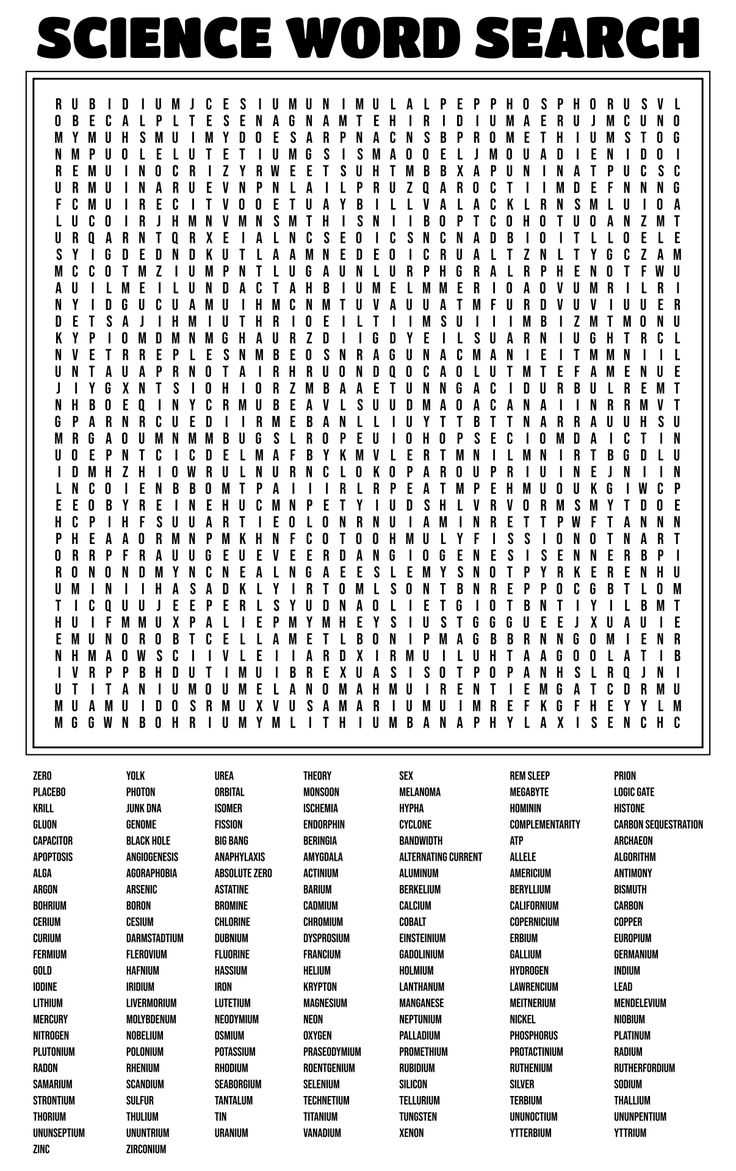
Challenging Puzzle Options for Skilled Solvers
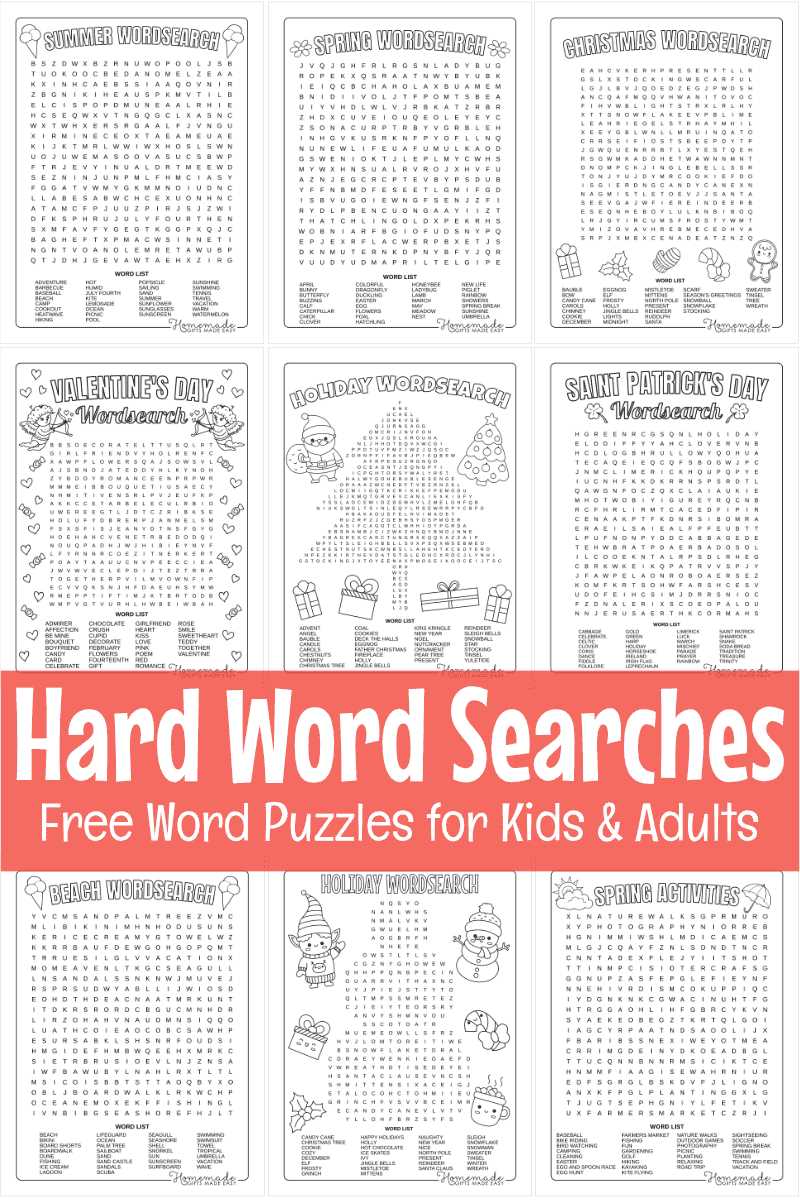
Start by choosing exercises that feature a larger grid size, such as 15×15 or 20×20. Larger grids provide more space for hidden terms, increasing the difficulty level significantly. Look for options that require the identification of obscure or multisyllabic terms to truly challenge your focus and problem-solving skills.
Focus on puzzles with hidden words placed in various directions, including diagonals, reverse, and even overlapping terms. This strategy makes the exercise much harder than traditional, straightforward puzzles and pushes solvers to keep track of multiple directions simultaneously.
Category-based grids can also enhance the challenge. Choose themes with complex or specialized vocabulary, such as science, literature, or history. This encourages learning while solving, as it requires recall of specific knowledge within the selected category.
Another option is to look for puzzles that integrate a time limit or set a goal for completing them within a specific number of minutes. This introduces an additional layer of pressure and forces solvers to increase their speed without compromising accuracy.
Many puzzle sources allow for customization, letting you decide the difficulty by adjusting the number of words or grid dimensions. For example, opt for a high-density grid filled with difficult-to-find terms for a more demanding experience.
- Choose a puzzle based on a subject you are less familiar with, which can help expand both your vocabulary and general knowledge.
- Incorporate timed challenges to simulate a more competitive or focused environment for quicker thinking.
- Try progressively larger grids with harder terms as you gain confidence to increase both your speed and accuracy.
To take things further, consider puzzles that require solving with multiple answers at once, such as identifying terms in a grid while also solving a related riddle or clue. This approach deepens the cognitive engagement required to solve them.
Finally, use online platforms or apps where you can download or generate new puzzles regularly. These sources offer a variety of difficulty settings and themes, which can help diversify your practice and keep the experience fresh and motivating.