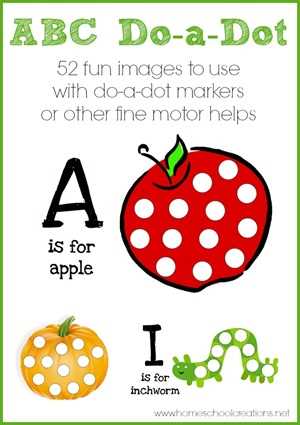
Start by selecting a few designs that include simple shapes or patterns, such as circles, stars, or animals. These templates are perfect for young children to practice their motor skills while having fun. You can find these designs online or create your own using basic shapes that are easy to replicate.
Steps to Prepare Art Templates
First, download or create the images you want to use. Make sure the lines are clear and not too intricate to ensure children can color within them easily. Once you’ve selected the templates, print them on thick paper or cardstock. This helps prevent the colors from bleeding through and makes the final artwork more durable.
Next, gather your materials. While dot markers are the most popular choice, you can also use cotton swabs, small sponges, or even buttons to create the effect. Place a variety of colors nearby so children can experiment with different combinations as they fill in the patterns.
Creative Ideas for Using Dot Art
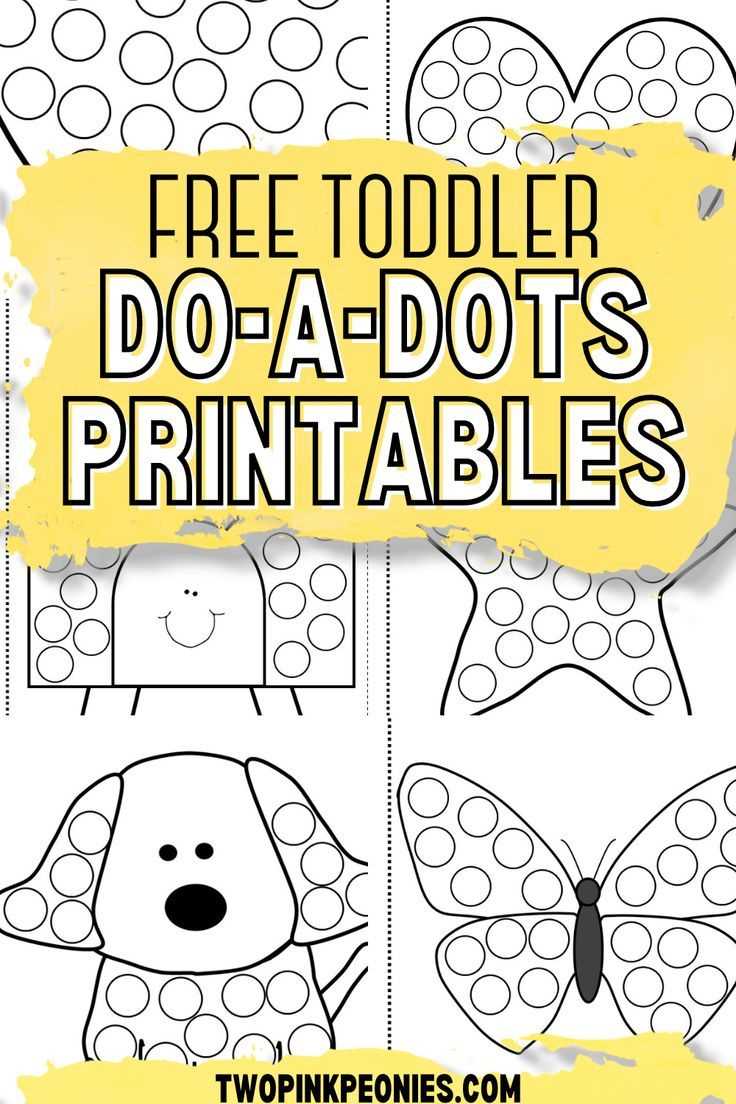
For younger children, start with basic shapes like circles or flowers. These designs help them focus on hand-eye coordination and fine motor skills. You can also use color-themed sheets, like rainbow patterns or underwater scenes, to make the process more engaging and educational.
- Color Sorting Activity: Create designs that require sorting colors. For example, assign each shape a specific color and have children match the dot markers to the correct shapes.
- Numbered Art: For an educational twist, add numbers to the shapes and have children follow the number sequence to complete the design.
- Seasonal Designs: Create seasonal themes like pumpkins for fall or flowers for spring to make the art activity feel festive.
Once the designs are complete, these artworks can be used as decorations for the home or classroom. You can frame them or turn them into greeting cards, giving children a sense of pride in their work. This activity not only boosts creativity but also teaches patience and attention to detail.
Printable Do a Dot Activities
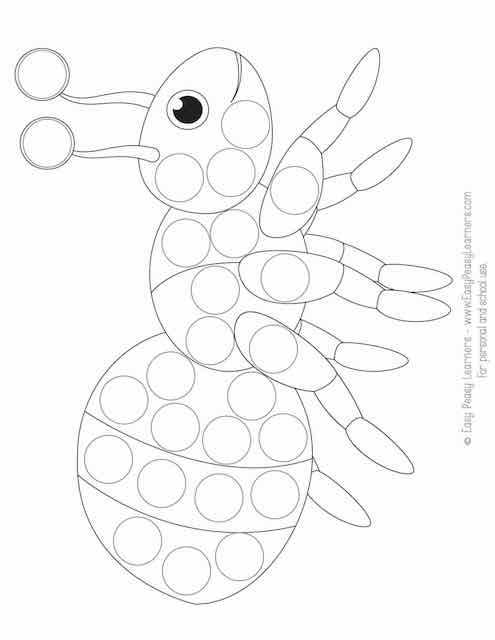
Start by selecting simple designs for younger children, such as basic shapes or animals. These are easy to color and help improve fine motor skills. Download or create templates that feature clear outlines, which make it easier for kids to stay within the lines.
Once you’ve printed the images, provide children with a variety of colors. Encourage them to use multiple colors on a single image to explore combinations and patterns. This approach enhances both creativity and color recognition. Use markers or even cotton swabs for a different tactile experience.
For more advanced learners, consider using intricate designs like flowers, geometric shapes, or seasonal themes. These templates require more precision and offer a great challenge for older children or adults. You can even add numbers to the design to guide them in completing the activity in a specific order.
Another idea is to combine different activities into one project. For example, start with an image featuring a rainbow and ask kids to fill in the colors in a specific order. This not only works on coloring skills but also teaches sequence recognition and following instructions.
Incorporating themed designs can make these activities even more fun. Create templates based on holidays like Christmas, Halloween, or birthdays. For instance, a pumpkin or Christmas tree design can be colored in vibrant hues to match the festive spirit.
After the templates are completed, use the artwork as a tool for further learning. For example, you can make a matching game where children match colors or shapes from the design to objects around the house. This reinforces their learning through play.
- Color Sorting: Assign each section of the design a color and encourage children to match their marker to the assigned areas. This teaches both color recognition and organization.
- Pattern Creation: Use a design that includes repeated patterns and challenge children to follow the sequence, helping them understand pattern recognition and repetition.
- Interactive Art: After coloring the templates, turn the finished pieces into interactive crafts by cutting them out and adding them to cards or posters for decoration.
These activities are also a great way to spend quality time together. As kids color, they can share their thoughts and ideas about the designs, building conversation skills while creating something beautiful. This is a perfect combination of fun and education for all ages.