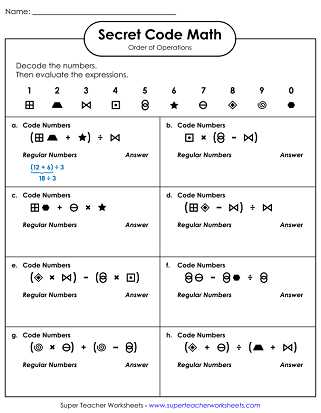
For anyone looking to simplify complex arithmetic problems, it is crucial to follow a systematic process that ensures accurate results. This process is typically referred to as the “PEMDAS” rule, which stands for Parentheses, Exponents, Multiplication and Division (from left to right), and Addition and Subtraction (from left to right). Understanding this rule and applying it consistently is key to solving math problems correctly and efficiently.
Step-by-Step Guide for Applying PEMDAS
The first step in solving an expression is to tackle parentheses. If there are any calculations within parentheses, complete them before moving on to other operations. This ensures that you handle the most complex part of the expression first.
Next, deal with any exponents, such as squares or square roots. This step comes after parentheses, as exponents must be resolved before other operations can be performed.
Once parentheses and exponents have been taken care of, focus on multiplication and division. These two operations are handled from left to right. If you encounter both in an expression, perform whichever comes first from left to right, making sure to keep the order intact.
Finally, addition and subtraction are the last operations to be addressed, also handled from left to right. The key here is to treat them equally, performing whichever comes first in the expression.
Benefits of Using a Visual Cheat Sheet
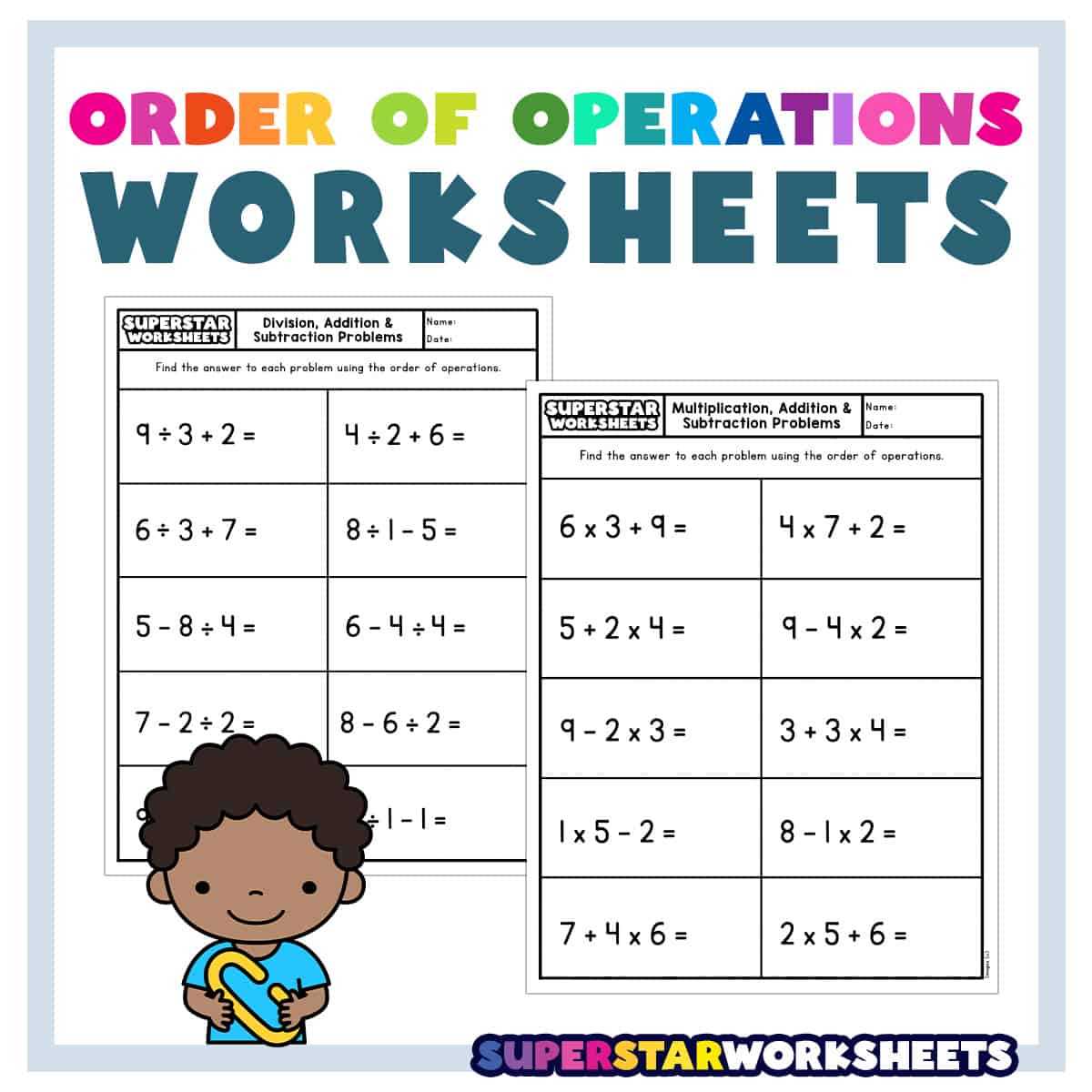
Having a clear visual guide can significantly enhance your understanding and speed when applying the rule. A simple chart with the steps in order–Parentheses, Exponents, Multiplication and Division, Addition and Subtraction–can serve as a constant reminder during calculations. Keeping such a reference handy, especially during exams or homework assignments, can reduce errors and save time.
Many students and professionals use this visual reminder on worksheets or as part of their study materials. Whether on paper or digital formats, a printable reference ensures that the process is easily accessible for quick checks. Printing and posting the guide near your study area is a great way to reinforce the order of solving equations, making math more approachable.
How to Effectively Solve Math Problems Using a Clear Sequence
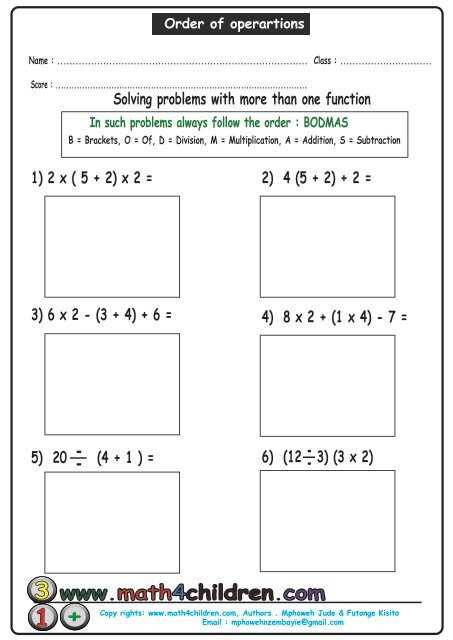
Start by identifying and solving the calculations inside parentheses first. Any expressions within parentheses must be simplified before anything else is done in the equation. This step prevents confusion and ensures that the base of the problem is handled correctly.
Next, focus on exponents. This step includes operations such as squaring numbers or calculating powers. Exponents must be calculated after parentheses, but before multiplication or division, as they represent a higher level of mathematical operation.
Once parentheses and exponents are handled, proceed with multiplication and division. These operations are treated equally, so if you encounter both in the same equation, process them from left to right. Multiplication or division that appears first is always performed first.
Following multiplication and division, the last step involves addition and subtraction. Similar to multiplication and division, these are performed from left to right. Always process whichever appears first in the sequence.
For accuracy, double-check your work after each step. While the sequence of steps remains fixed, skipping one operation or misinterpreting the placement of a parenthesis can lead to incorrect results. After solving each segment, review the equation to ensure no mistakes were made.
Using a visual guide can greatly aid in remembering the sequence of operations. A chart or cheat sheet with the steps in order is an excellent reference during practice and exams. A printable reminder can be kept near your workspace or on your desk to quickly reference while solving problems.
As you practice, try solving problems with mixed operations to strengthen your understanding of the process. For example, start with simple problems and then move to more complex ones that involve parentheses, exponents, and multiple operations. This will allow you to become more comfortable with the steps and improve your speed.
In the long term, consistent practice and using a structured approach will help reduce errors in math. The more you work with this process, the more intuitive it will become, leading to quicker problem-solving in a wide range of math problems.