Effective Techniques for Skill Building
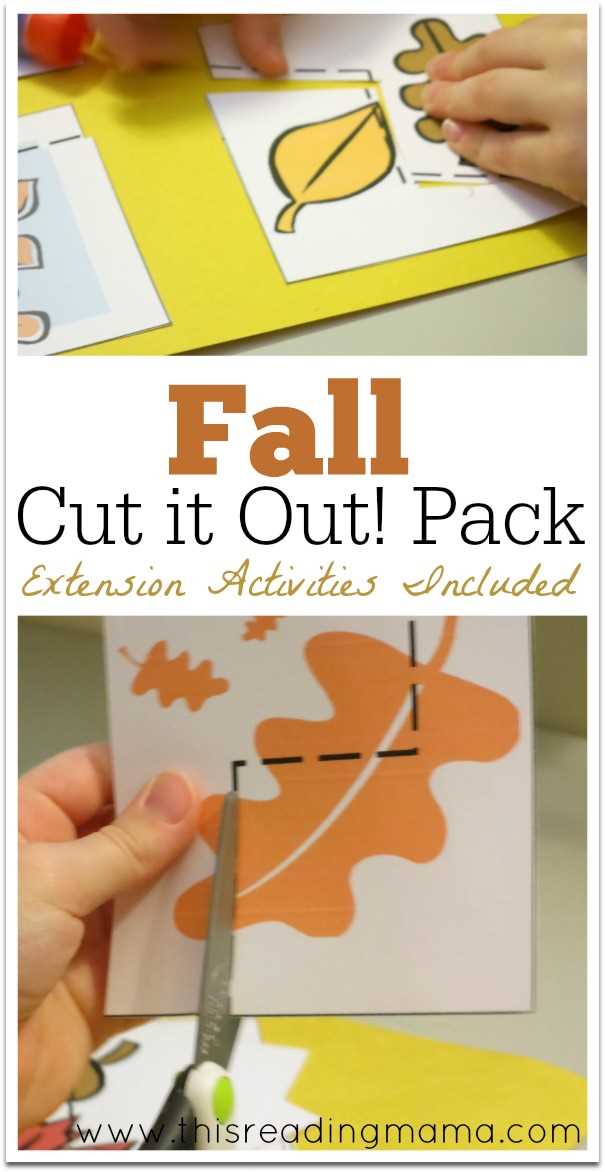
To enhance fine motor abilities during the cooler months, focus on tasks that require precision and control. Activities involving cutting along lines, shapes, and curves help children develop the hand-eye coordination necessary for writing, drawing, and other manual tasks.
Crafting Projects
- Shape Cutting: Provide kids with simple templates of shapes such as triangles, squares, and circles. Let them cut along the edges with safety scissors. This builds control and accuracy.
- Nature Crafts: Use leaves, twigs, and other materials to create collages. Children can practice cutting out patterns or forms from natural items, promoting creativity and dexterity.
- Paper Tracing: Encourage tracing and cutting around objects on paper. This allows children to practice following lines, improving their cutting precision.
Paper Activities for Focused Development
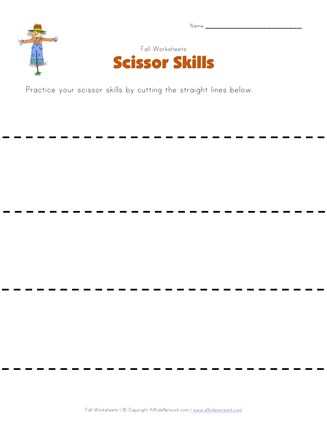
- Scissor Skills Worksheets: Offer sheets with lines, zigzags, and circles to cut out. These activities refine hand strength and the ability to handle scissors.
- Layered Collages: Children can create multi-layered projects, cutting out various pieces of colored paper and layering them to form unique designs. This improves their ability to manage multiple elements at once.
- Building Shapes: Have children cut out different geometric shapes and assemble them into larger designs. This reinforces understanding of shapes and spatial awareness.
Boosting Independence and Confidence
Engaging in repetitive cutting tasks not only sharpens skills but also builds independence. Allow children to explore these activities on their own, gradually increasing the difficulty level as they gain more control. This helps them feel accomplished and boosts their confidence in handling tasks.
Engage Children with Themed Paper Trimming Exercises
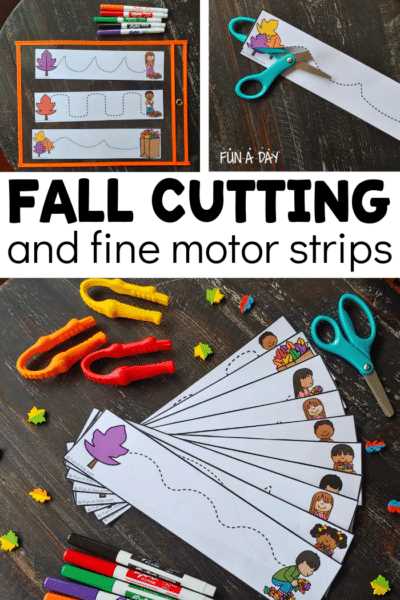
For young learners, mastering the skill of handling scissors becomes easier with targeted exercises that focus on fine motor skills. A great method is using paper shapes tied to seasonal themes. This approach not only grabs attention but encourages interest through fun visuals while helping children develop hand-eye coordination.
Consider using templates with simple outlines of seasonal elements like leaves, pumpkins, or acorns. These familiar objects motivate kids to practice cutting along the lines. Aim for larger, easy-to-trim designs for beginners, and then gradually move to more intricate patterns as their skills improve.
It’s helpful to provide a variety of shapes and textures. For instance, some templates can feature straight lines, others curved, giving children practice with different movements. Include dotted lines to indicate the cutting path, making it easier for children to follow without frustration.
As children progress, try incorporating alternating color patterns. This not only keeps them engaged but also aids in color recognition and the development of spatial awareness as they learn to stay within boundaries while trimming.
Another effective strategy is to offer cut-out options that form a picture once completed. This gives a sense of accomplishment after each session. For example, after cutting out a series of leaves, children can arrange them into a tree or a wreath, further enhancing their creative thinking.
These paper activities can be paired with discussions or simple storytelling, linking them to classroom subjects like nature or art. Engaging them in this way adds an educational layer, making the exercise not just about dexterity but also about creative expression.
Lastly, always ensure the scissors are appropriately sized for the children’s hands. This reduces strain and helps build confidence. With the right tools and materials, these exercises turn into enjoyable and beneficial tasks that improve motor control while having fun with seasonal crafts.