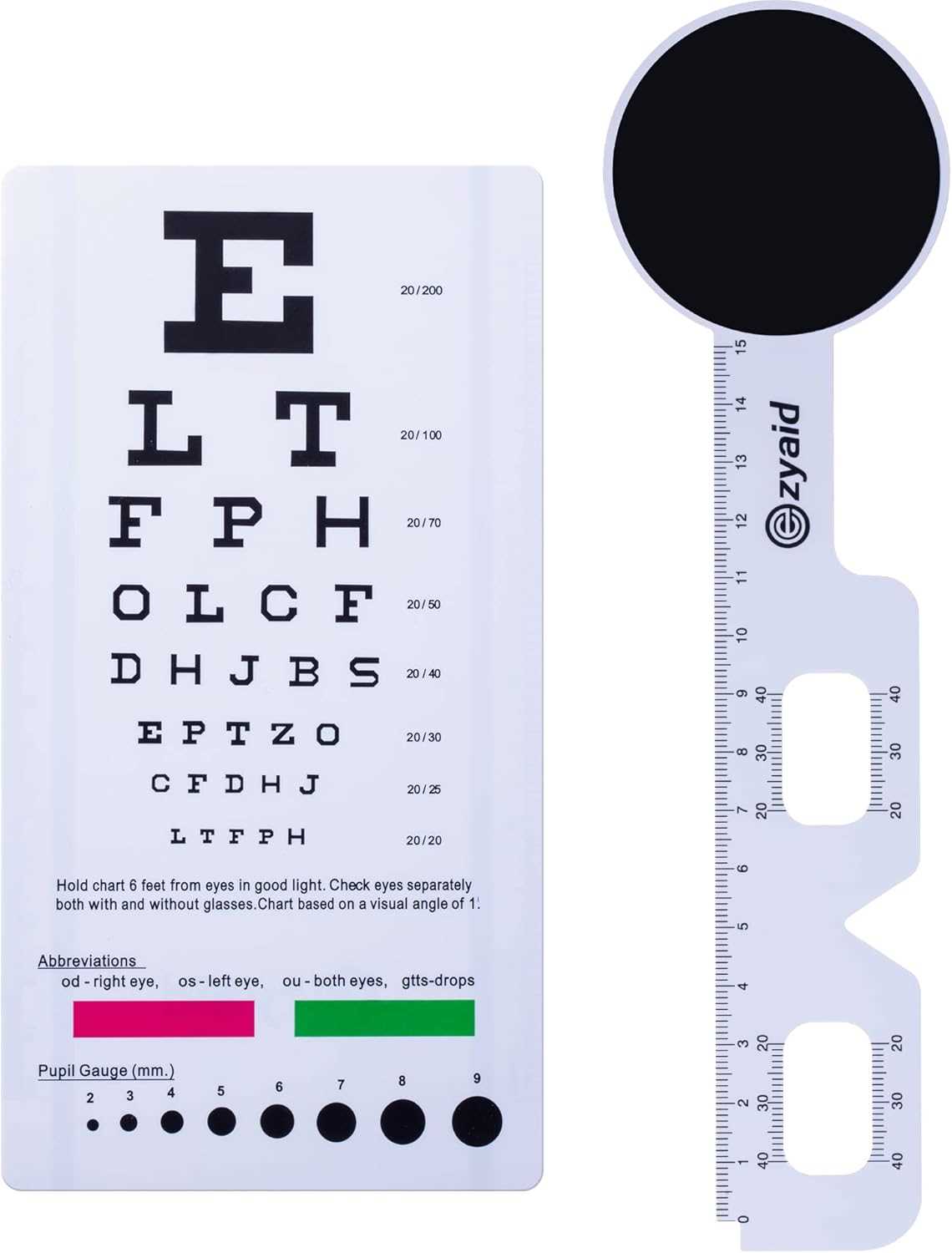
Effective Design of a Visual Aid
The most practical way to assess the need for assistance with close-up focus is by utilizing a structured guide. A template with varied text sizes allows the user to determine if they need additional optical help for short-range tasks. Use the following guidelines to create a simple and accurate tool.
Optimal Layout
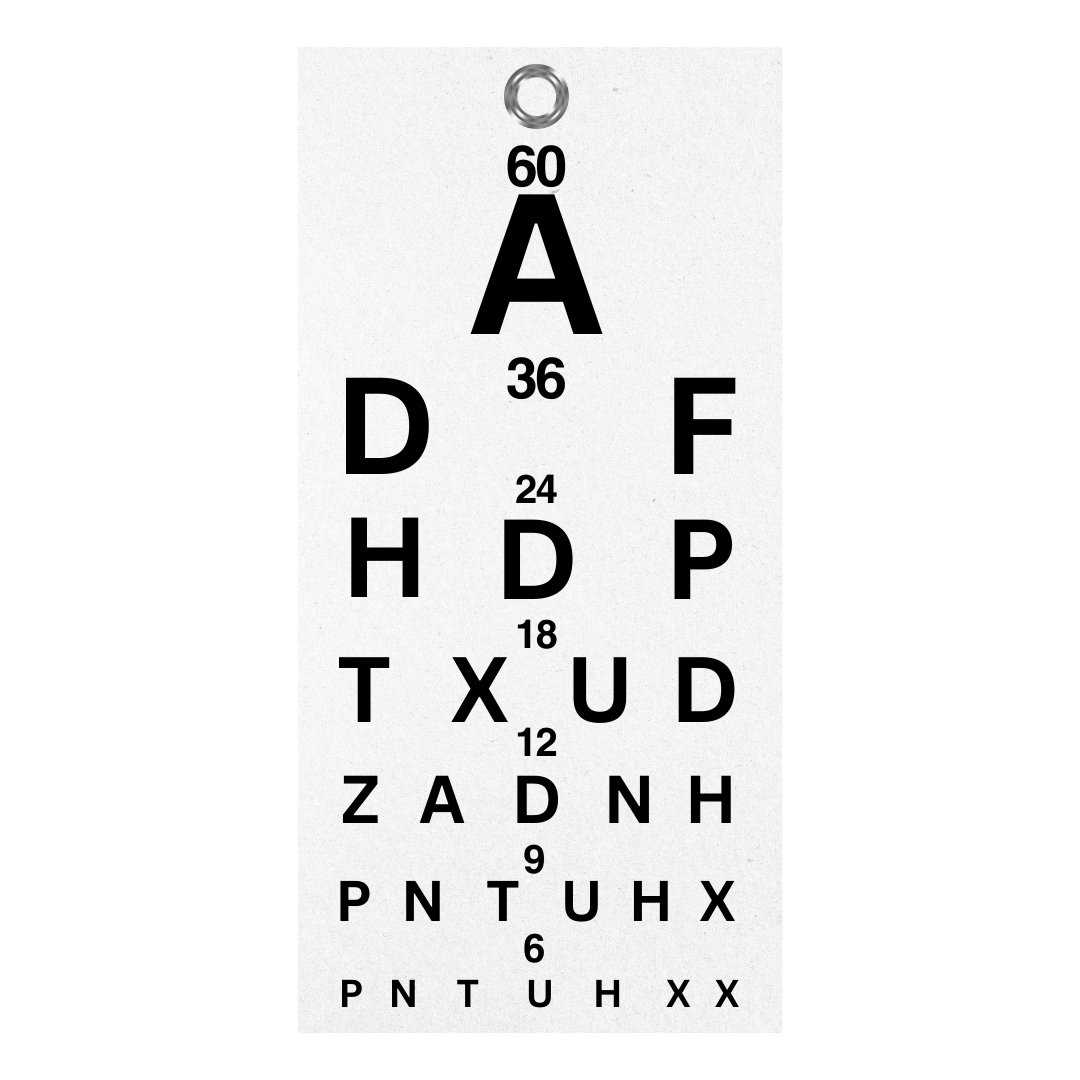
The design should consist of multiple rows with each containing a series of decreasingly small letters. Arrange the letters in such a way that each row corresponds to a certain level of clarity for typical close reading tasks. The top rows should feature large characters, while the lower rows should progressively get smaller, challenging the eyes to identify each letter at varying distances.
Standard Measurements
The sheet should follow the basic convention of spacing, with each character consistently positioned to avoid confusion. Typically, characters should be spaced evenly, with a distance of 5-10 cm between each character in the line. The test can be done at a set distance from the sheet to evaluate the range of clarity at different distances, such as 30 or 40 cm.
Utilizing the Tool for Accurate Results
To effectively gauge vision for short-range reading tasks, the user should stand or sit a fixed distance away from the sheet and attempt to read from top to bottom. If any row is unreadable or difficult to decipher, it indicates a possible need for corrective options.
- For consistency, always use a standard light source when performing the assessment.
- Ensure the test is done in a quiet, distraction-free environment for the most accurate results.
Test Procedure
- Position the test at eye level for an accurate perspective.
- Start from the largest line and gradually move down the list of characters.
- If any row is unreadable, stop and note the line where difficulty begins.
- Repeat the test several times for consistency, especially if the result varies.
Interpreting Results
If a user cannot read the bottom rows of the layout, it may suggest that they struggle with close-range vision. This is a good indicator that they might need optometric intervention or tools to enhance their ability to focus on nearby text. It is advised to consult a professional for a more thorough evaluation if the test indicates a potential problem.
Additional Tips for Better Clarity
- Ensure the lighting is bright enough but not glaring. Natural daylight works best for most tasks.
- If you wear prescription lenses, perform the test both with and without them for comparison.
- Test in both normal reading positions and while seated comfortably at a desk.
Choosing the Right Tool for Visual Clarity Assessment
For testing near-vision clarity, opt for a high-contrast visual acuity test designed to help you gauge your sight at close distances. Select a document where letters or symbols decrease in size with each line, enabling a clear evaluation of focus range and sharpness. Ensure the font used is legible and clean to avoid skewing results.
Place the assessment at a comfortable distance from your face, typically 14–16 inches. The test should be done in well-lit conditions, avoiding glare or shadows that could affect the outcome. If you’re unable to read the smallest letters, it might indicate a need for magnification assistance.
Adjust the test’s proximity if you experience difficulty. A simple way to enhance accuracy is using a standardized format that measures clarity at a fixed distance, ensuring consistency in results. If the results are unclear or vary significantly, consult an expert for further examination.