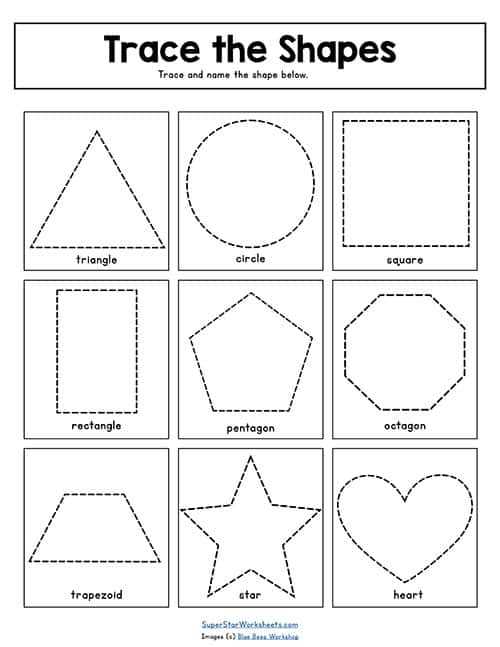
To develop hand-eye coordination and motor skills in young children, it’s important to have activities that engage them in drawing basic figures. These exercises also build foundational skills for writing later on.
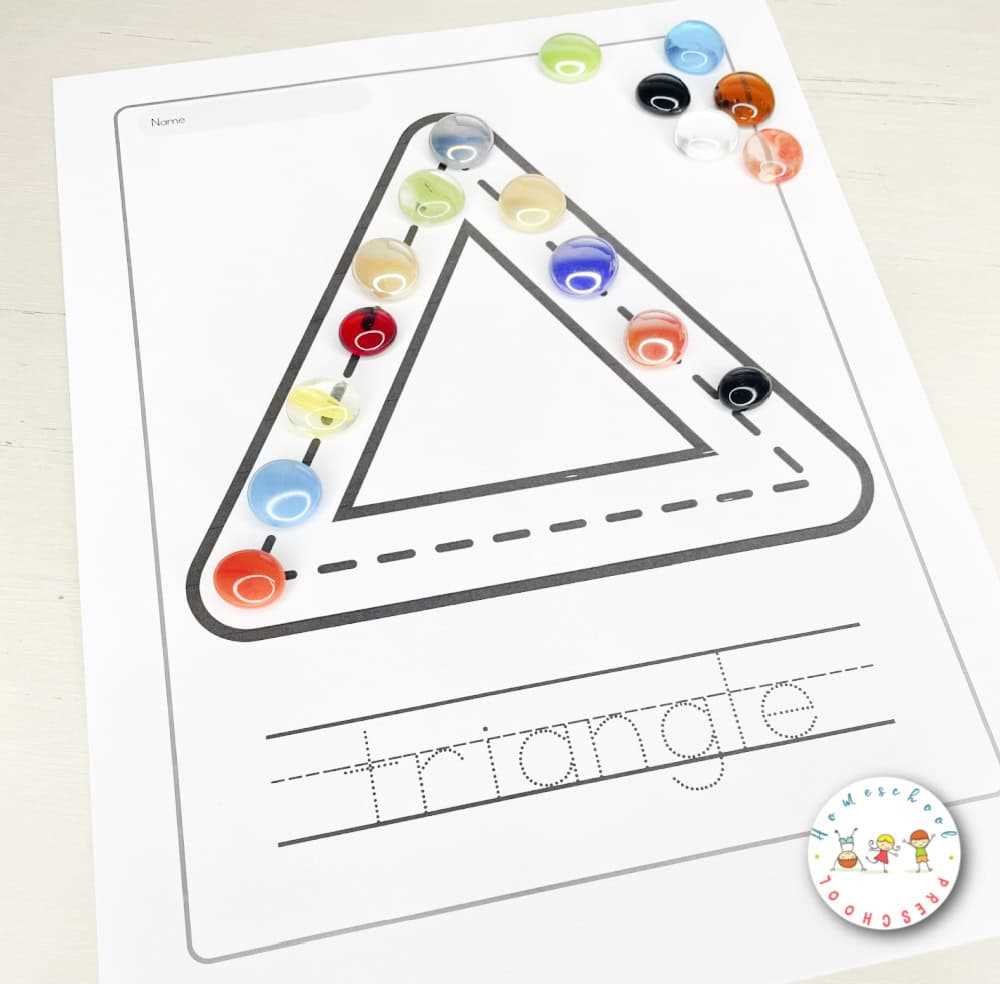
How to Organize Activities for Drawing Simple Figures
Start by selecting basic geometric forms, like circles, squares, and triangles. You can easily print templates with these figures, or even create your own by drawing them on a piece of paper. The key is to encourage children to follow the outlines, helping them improve their dexterity.
- Use large-sized figures for beginners to allow more space for movement.
- Start with solid lines and gradually introduce dashed or dotted ones as the child improves.
- Introduce color by asking them to color in the shapes they draw, adding a fun element to the activity.
Where to Find Resources for Drawing Activities
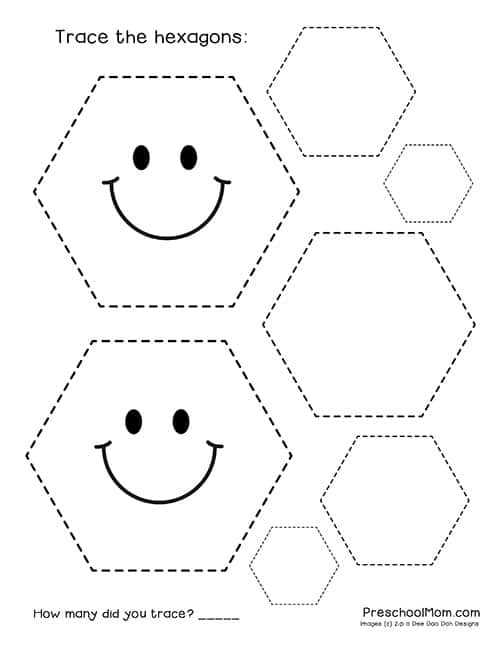
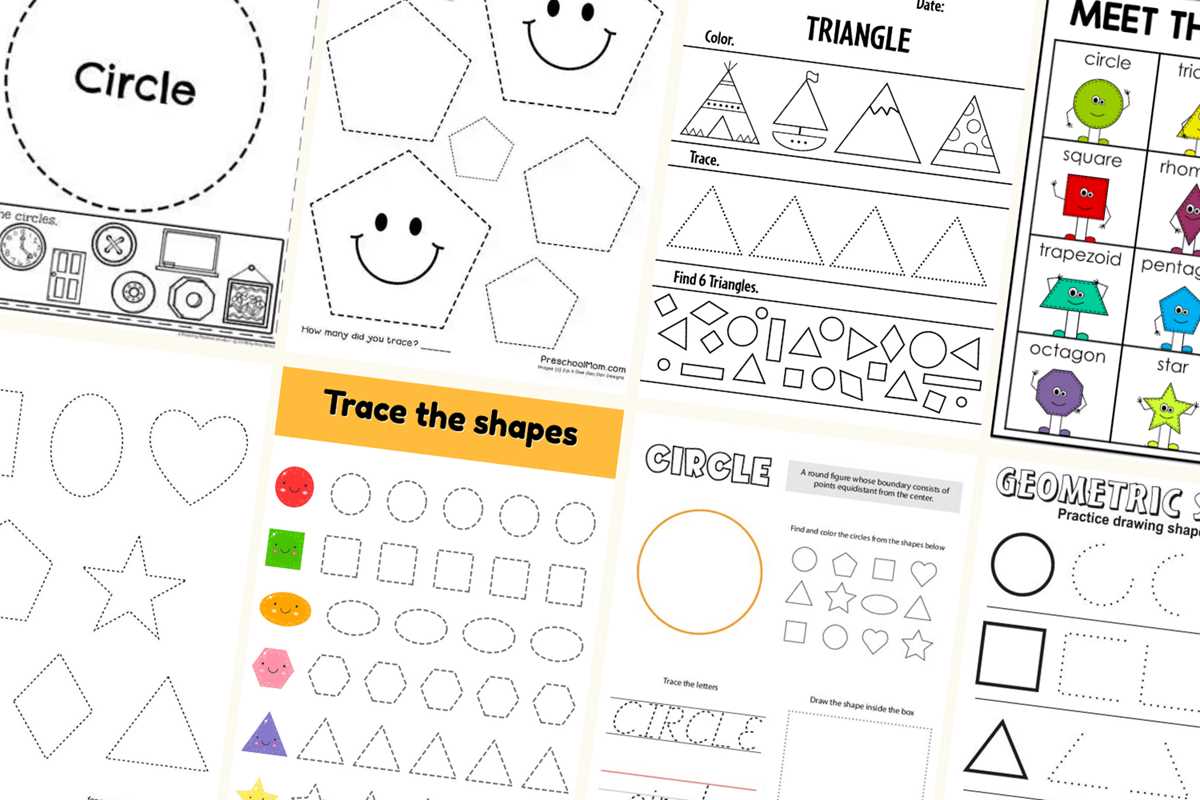
Several websites offer downloadable activities for young children to practice their drawing skills. These sites typically have a range of materials, from simple forms to more complex figures that challenge older kids.
- Look for sites that offer activities with step-by-step guides for drawing.
- Opt for resources that also incorporate other learning elements, such as counting or matching activities alongside the drawing exercises.
- Some sites allow customization, where you can adjust the size of the shapes or the difficulty level to match the child’s ability.
By making these practices part of the daily routine, children can develop fine motor skills, boost their creativity, and gain confidence in their ability to draw.
Tracing Basic Figures for Early Skill Development
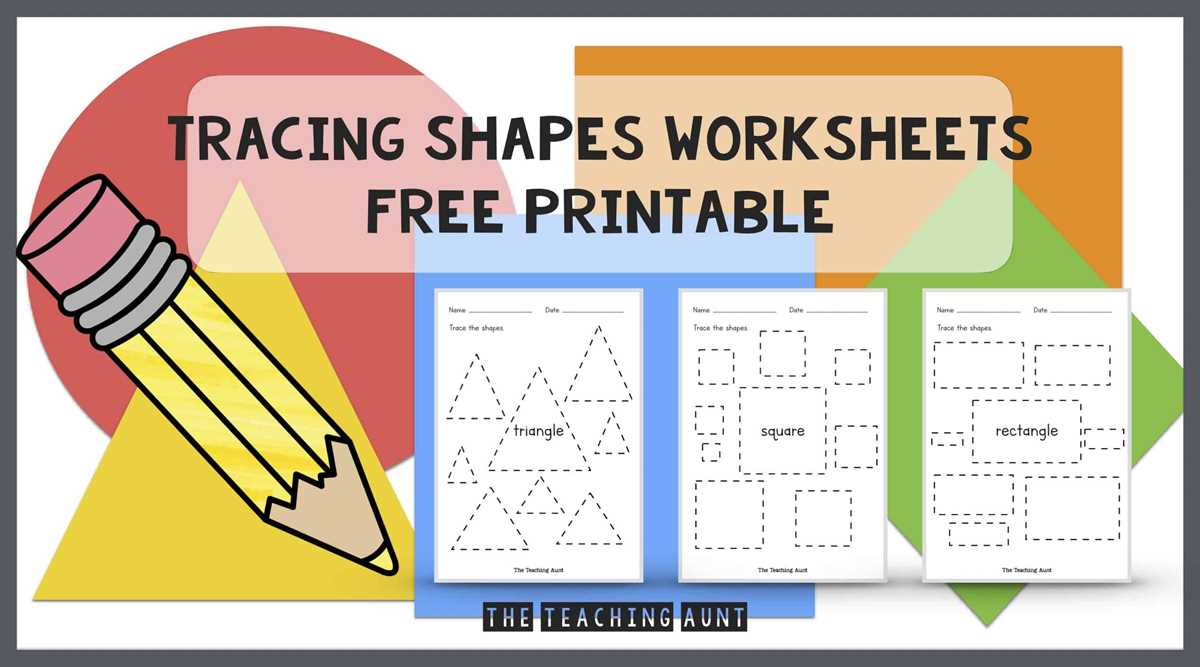
For children, drawing basic forms helps develop their fine motor skills and hand-eye coordination. Encouraging kids to follow simple outlines of squares, triangles, and circles strengthens their ability to control a pencil or crayon.
Choose clear, bold lines for younger learners. Large forms allow them to practice freely without feeling overwhelmed. Start with a few simple figures, then gradually introduce more complex ones as their confidence builds.
Adding engaging elements like colors or patterns within the figures can make the activity more enjoyable. You can also ask children to color the space inside after they’ve drawn the outlines, making it both a learning and creative process.
Many resources online provide various templates. These tools are designed for beginners, so they can adapt to the child’s development level. As the child masters simpler forms, look for resources that introduce more intricate designs to keep them challenged.
By incorporating these activities regularly, children can improve their penmanship, spatial awareness, and cognitive abilities. The process of repeatedly drawing simple lines and curves builds a strong foundation for future skills, like letter formation and writing.