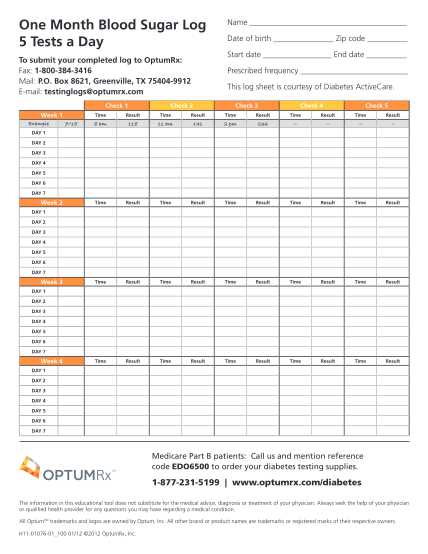
To better manage your health, regularly tracking your glucose readings is a key strategy. One of the most effective ways to keep track is through a written record. By noting down each test result, you can spot patterns and monitor your condition with more precision.
Use a simple sheet to log each reading with time stamps and contextual details like meals, medications, and physical activity. This practice helps both you and your healthcare provider understand how your body responds to various factors. A dedicated space for notes can also be useful for tracking other relevant events such as changes in stress levels or sleep quality.
What to Include in Your Record
A good tracking sheet includes key data points such as:
- Time of Day: Record the specific time of each test to see fluctuations during the day.
- Blood Glucose Value: Write down your actual glucose reading.
- Food and Drink: Document what you eat and drink, as these directly impact your glucose levels.
- Physical Activity: Log any exercise, which can affect glucose readings.
- Medications: Include any insulin or oral medications you are taking at the time of the test.
Choosing the Right Format for Your Tracking Sheet
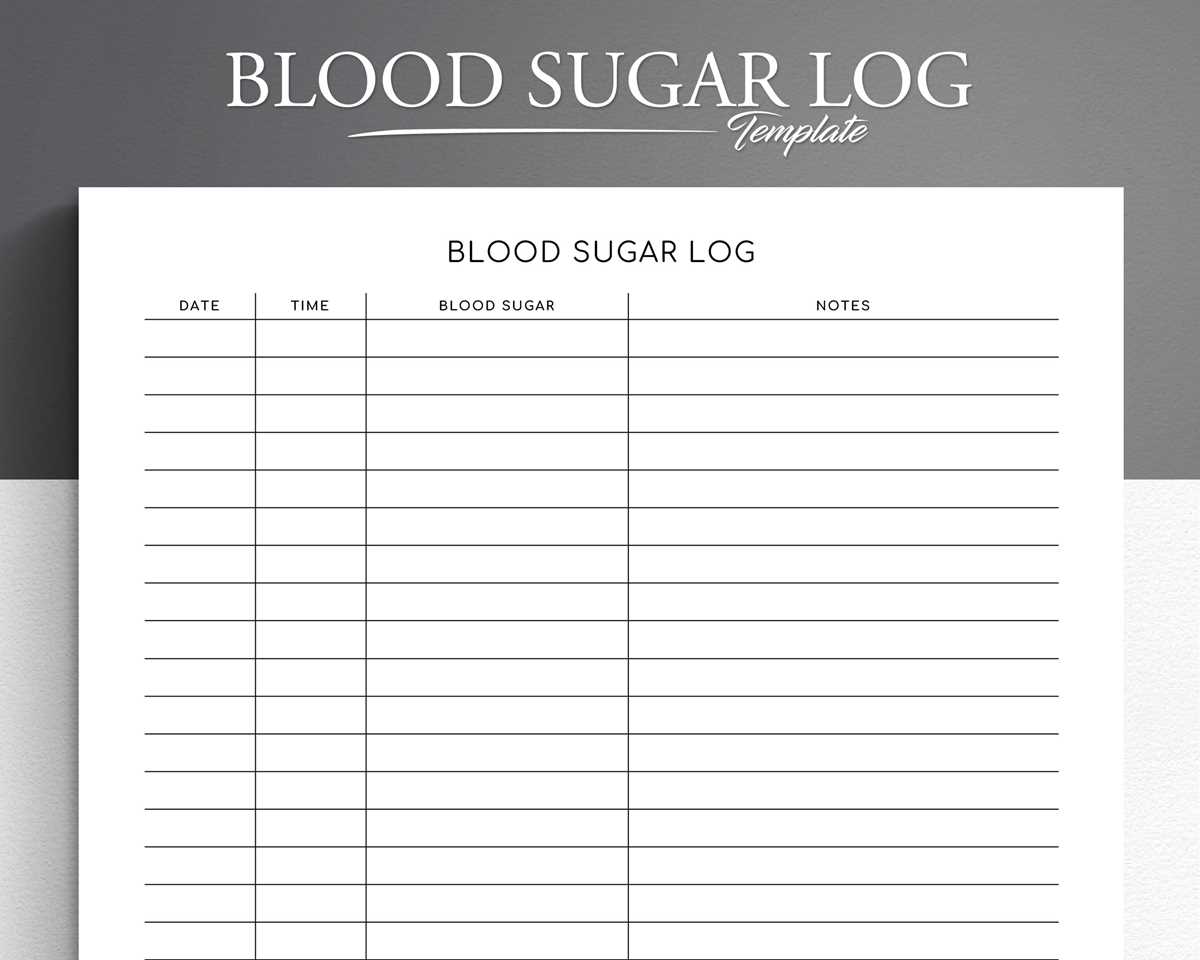
Selecting the right format for your records is crucial. You can choose from a variety of layouts depending on your preferences. A simple table format might work best for some, while others may prefer a more detailed journal style for each entry. The main goal is consistency and clarity, ensuring each entry is easy to read and analyze.
Consider using a physical notebook or digital tools. Many apps allow you to input readings directly from a mobile device, making it easier to track your levels on the go. For those who prefer physical records, printable templates are available online, offering a clean, organized layout for each entry.
Blood Glucose Monitoring for Effective Health Tracking
Recording your glucose readings consistently is one of the most practical ways to understand how your body responds to different factors. Whether you are managing diabetes or tracking fluctuations for other reasons, keeping a detailed record will give you insights into patterns that may otherwise go unnoticed.
To get started, consider using a simple table format to track your readings. You should include the time of day for each test, the result, and any other variables like meals, medications, and activity. This will help you observe trends such as higher readings after certain meals or low points following exercise.
Make sure to note your results at specific times each day. For example, testing in the morning before eating, after meals, or before bedtime can help you understand how your body reacts throughout the day. This structure makes it easier to spot inconsistencies and pinpoint when adjustments might be necessary.
One of the most significant advantages of keeping detailed records is the ability to share this information with your healthcare provider. Having a comprehensive log allows your doctor to give more personalized advice and make adjustments to your treatment plan based on the data you’ve gathered.
If you prefer a digital approach, there are plenty of apps available that allow you to log your readings and track trends over time. Some apps even sync with your glucose meter, making data entry seamless and reducing the chance of mistakes. Additionally, many of these apps will generate charts that help visualize your progress and alert you to abnormal readings.
For those who prefer a physical record, printable templates are available online. These templates typically come with pre-designed spaces for recording readings, notes, and other important details. The advantage of a printed version is that it doesn’t require a device, which can be useful for those who prefer paper-based systems or want to keep their records in a more tangible format.
In addition to tracking glucose readings, it’s also a good idea to monitor your overall health. Recording details like changes in weight, sleep quality, or stress levels can help you identify how lifestyle factors influence your readings. This holistic approach can be more beneficial than tracking glucose levels alone.
Finally, be consistent in logging your results. Even on days when your readings are within the expected range, it’s still crucial to record them. The more data you have, the clearer the patterns will become, and the more informed decisions you can make about managing your health effectively.