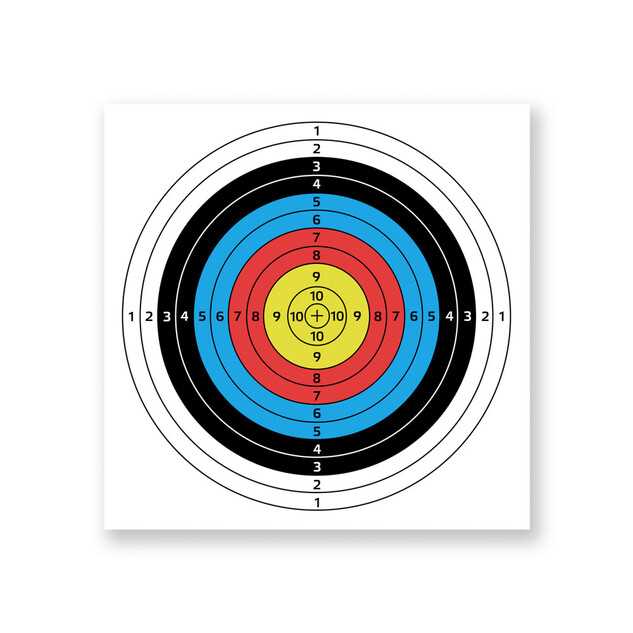
For those interested in improving their skills, designing a layout for hitting a mark can be both practical and rewarding. With the right setup, it becomes easy to track progress and improve accuracy over time. Here’s a clear method to create a customizable shooting space for repeated practice.
Step 1: Choose Your Paper Design
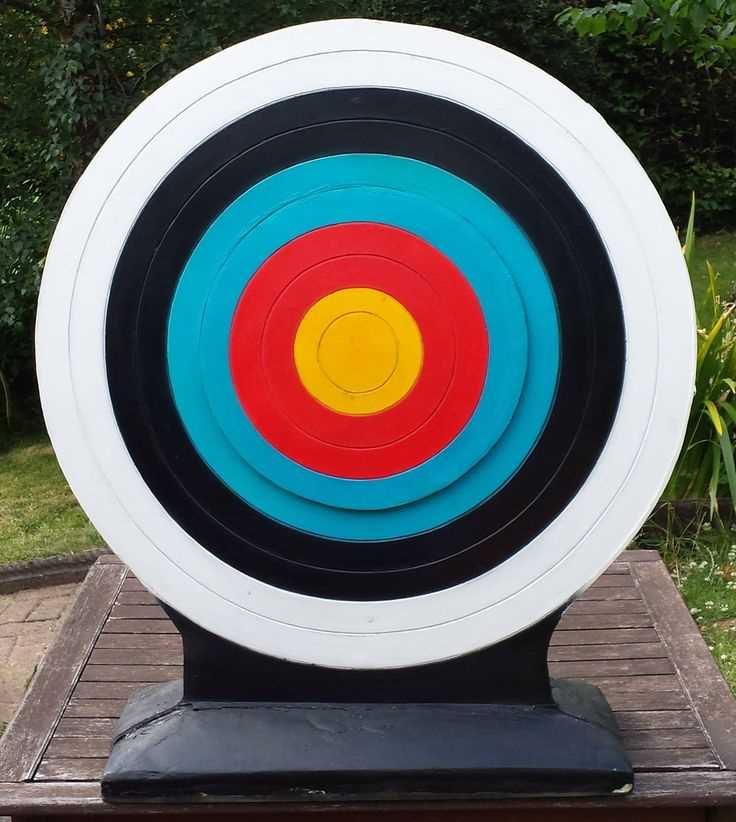
Start with selecting the design that best fits your needs. A common option includes concentric circles where each ring represents a different level of difficulty. Print out designs with varying levels of difficulty and sizes, depending on your goals. A smaller, more intricate design challenges precision, while larger, simpler designs help with form and consistency.
Types of Designs to Consider:
- Standard bullseye layout
- Grid patterns for accuracy measurement
- Scoring rings that help track performance
Step 2: Adjust Size for Your Space
Once you have a design, scale it to the available space. If you’re working with limited room, printing a smaller version of the layout will suffice. Larger areas can benefit from a bigger image, which can be printed in sections and pieced together. Make sure the distance from where you shoot corresponds to the difficulty level of the layout.
Optimal Dimensions:
- For indoor settings, use a design no larger than 24×24 inches.
- For outdoor or open areas, consider layouts up to 36×36 inches or more.
Step 3: Printing & Setup
Once the layout is selected and sized, print it on durable paper, such as cardstock, or laminate it for added longevity. Mount the design on a backing material like cardboard or foam board to prevent wrinkles or damage from repeated hits. Ensure the setup is secure enough to avoid shifting during practice sessions.
Best Practices for Placement:
- Place the design at an appropriate height, aligning it with the intended shooting stance.
- If shooting from a longer distance, use a larger design to make the challenge more manageable.
Step 4: Mark Your Progress
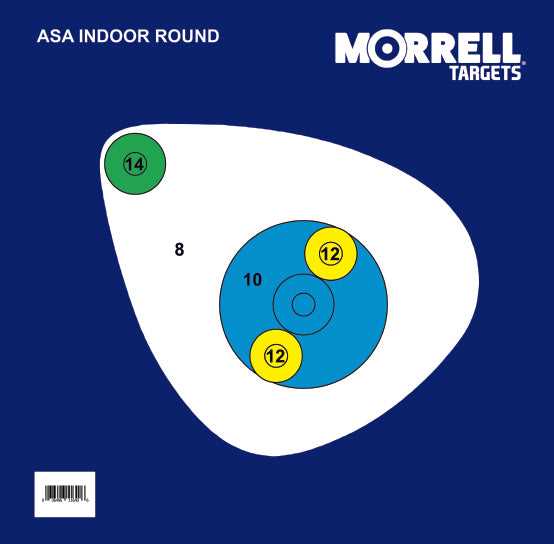
As you practice, it’s important to track your performance over time. You can either manually record scores based on where you hit or use a marking system that allows for quick feedback. Using different colors of pens to track each session’s attempts can help you identify trends and improvements.
Tips for Tracking:
- Use color-coded markers to highlight different sessions.
- Take note of the time and conditions during each session to correlate with performance.
Step 5: Reevaluate & Adjust
As you improve, it’s crucial to modify the layout to continue challenging yourself. This could mean switching to a more detailed design or increasing the distance from the shooting spot. Continuously updating your setup keeps your practice sessions engaging and progressive.
Modifications to Consider:
- Decrease the size of rings for a higher precision challenge.
- Adjust the shooting distance as your confidence grows.
Designing and creating your own space with these layouts offers flexibility, allowing you to personalize your practice. Whether indoors or outdoors, these steps ensure that your setup is both functional and motivating.
How to Create a Custom Shooting Sheet
If you want to design your own practice layout, focus on varying ring sizes to challenge accuracy at different distances. A standard arrangement typically features 5 or more concentric rings, with the innermost being the smallest. This ensures you can test both precision and consistency. Avoid generic designs by experimenting with non-circular shapes, like squares or hexagons, to switch up visual cues and improve your focus during repetition. The key is to make sure there’s enough contrast between sections to allow quick visual tracking of your progress.
For an easy DIY version, print your design onto durable material or use a simple paper sheet, but make sure the printed resolution matches your intended scale. Large dimensions will need higher resolution to avoid pixelation, especially when the center point is tiny. You can scale your design to fit various space sizes, ranging from smaller practice distances to longer ones, ensuring adaptability across various conditions.