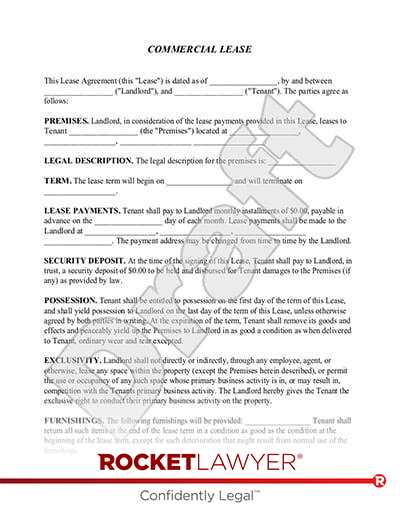
Key Elements to Include in a Rental Document
When drafting a contract for renting a space for business purposes, ensure it covers all necessary terms. The most common points to address include:
- Parties Involved: Clearly identify the lessor (property owner) and lessee (tenant). This helps avoid any ambiguity regarding who is responsible for what.
- Property Description: Provide an accurate description of the property, including its address, size, layout, and specific areas being rented (e.g., office space, warehouse, etc.).
- Duration of the Term: Specify the start and end dates of the tenancy, along with any renewal options. Clearly state whether it’s a fixed or periodic term.
- Rent and Payment Terms: Define the rent amount, frequency of payments (monthly, quarterly, etc.), due date, and any other financial obligations (e.g., utilities, maintenance costs).
- Security Deposit: Outline the amount required as a security deposit and conditions under which it may be withheld at the end of the term.
- Maintenance and Repairs: Specify the responsibilities of both parties regarding the upkeep and repairs of the property, such as who handles routine maintenance and who covers significant repairs.
Additional Considerations for a Business Rental Contract
While the basic framework is essential, several other clauses may be necessary to protect both parties:
- Use of Premises: Clearly state what the property will be used for. This ensures that the space isn’t repurposed for activities outside the scope of the agreement.
- Subletting and Assignment: Define whether or not the tenant can sublease or transfer the rights to another party.
- Insurance and Liability: Specify any required insurance coverage, such as liability or property insurance, and outline liability for damages or injury on the premises.
- Termination Clause: Establish the conditions under which either party may terminate the agreement, including any penalties or notice periods required.
- Dispute Resolution: Include provisions for resolving disputes, whether through mediation, arbitration, or legal action, should a conflict arise during the term of the arrangement.
Key Tips for Both Landlord and Tenant
Both parties should ensure the contract is fair and balanced. A well-structured document protects the interests of both parties and sets clear expectations from the beginning.
- Consult Legal Experts: While it may seem straightforward, it’s important to have legal professionals review the terms to ensure they are enforceable and comply with local laws.
- Be Specific: The more specific the terms, the less room there is for misinterpretation. Detail every aspect of the arrangement, including any special requests or agreements made between the two parties.
- Clarify Renewal Terms: If the agreement is to be renewed after the initial period, make sure renewal terms are clearly stated, including any changes in rent or conditions.
Having a well-written document not only helps avoid future conflicts but also ensures a smooth relationship throughout the term of the arrangement. Properly addressing the specifics will create a solid foundation for both the lessor and lessee.
Key Points for Drafting a Property Rental Contract
Before preparing any rental paperwork, it’s critical to define the space being rented, including its exact location, size, and features. Include specifics such as the address, square footage, and any included utilities or amenities. Clearly outline the boundaries of the space to avoid future disputes regarding what is and isn’t part of the agreement.
Another important detail to address is the duration of the arrangement. Specify both the start and end dates, and include any terms regarding extensions or renewals. If there are provisions for early termination or penalties, outline those clearly. This will help avoid misunderstandings should either party decide to end the partnership before the stated expiration date.
Payment structure is key in any contract. Include the exact rental fee, payment intervals (monthly, quarterly, etc.), and the method of payment. Be explicit about late fees, due dates, and any penalties for non-payment. Providing a clear financial breakdown minimizes confusion and ensures both parties are aligned on expectations.
Lastly, cover the maintenance responsibilities for the premises. Identify who is responsible for repairs, both minor and major, and clarify who pays for utilities like electricity, water, and internet. A well-drafted clause detailing these responsibilities ensures that there are no disagreements about upkeep during the term of the rental.