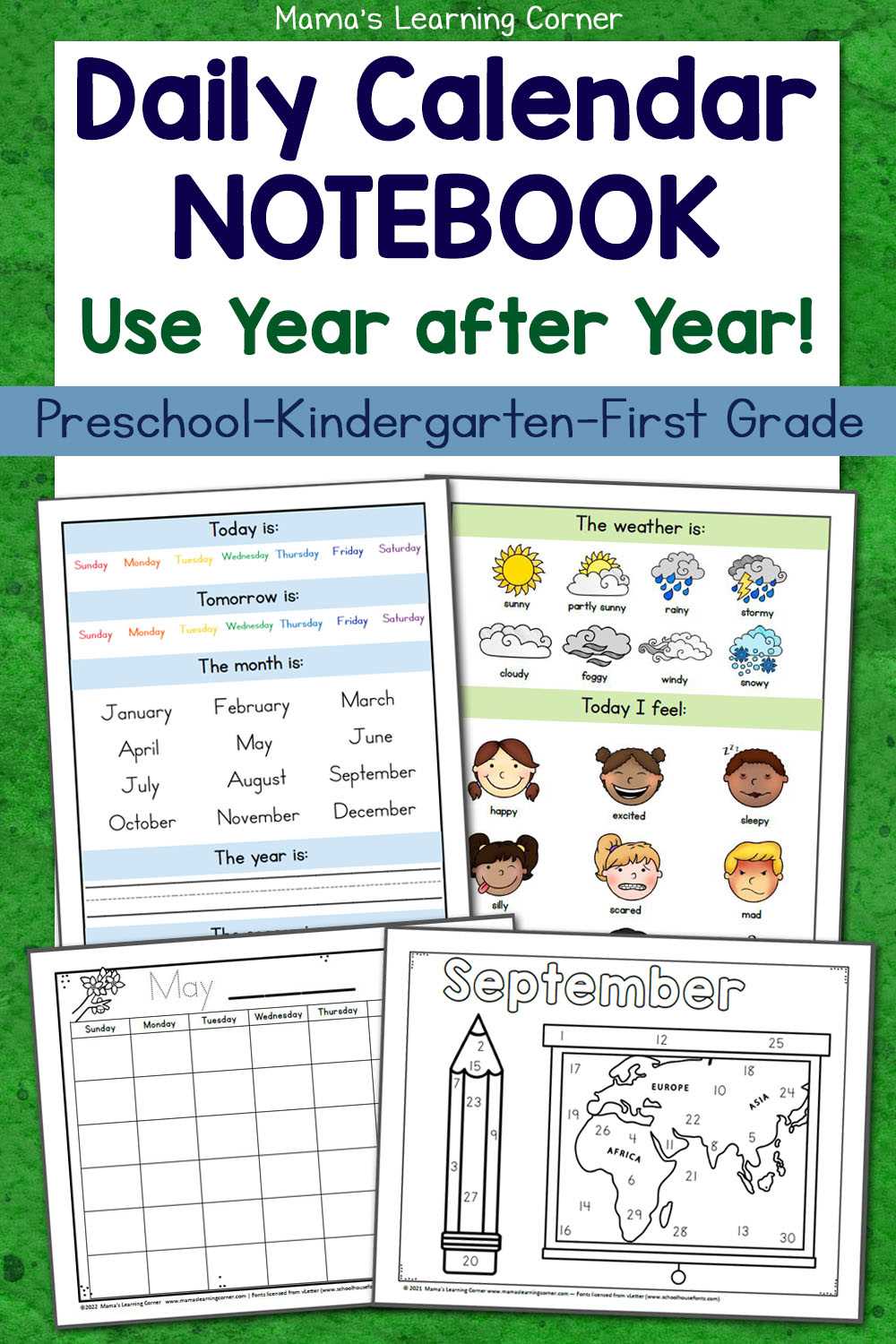
One effective method for organizing your young child’s day is by creating a visual timetable. A clear structure can help them understand what comes next, making transitions smoother and reducing anxiety. Try using a simple chart with easy-to-understand images for each activity. This method is particularly useful for younger children who are still developing their understanding of time.
How to Design an Effective Daily Plan
Start by dividing the day into basic sections: morning, midday, and afternoon. Under each time block, list activities in a logical order. For example, the morning might start with breakfast and then move on to a playtime session. The midday section could include quiet activities like reading or napping, while the afternoon can be filled with more interactive sessions, like arts and crafts or outdoor play.
When designing your plan, consider your child’s natural rhythms. Some children thrive in the morning, while others are more energetic after a nap. Adjust the intensity of activities according to these patterns to keep your child engaged without overwhelming them.
Tools to Organize and Track the Routine
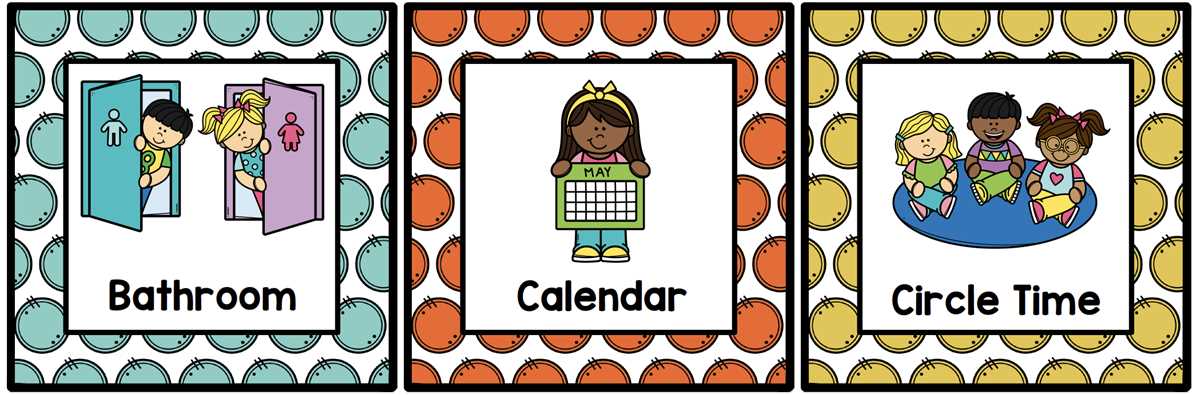
There are various tools available to help you organize the day, from simple printed templates to apps that allow customization. Printed charts are useful because they can be easily modified with stickers or pictures that your child can interact with. Using colors to highlight specific activities can also make the schedule more engaging.
If you prefer a more dynamic approach, consider apps that allow you to input activities and set reminders. These apps can sync with your phone, giving you flexibility and providing automatic alerts when it’s time to change tasks.
Another great option is using a whiteboard or dry-erase board. You can write the day’s plan and change it as needed, which is ideal if you prefer flexibility or need to adjust activities based on your child’s needs or mood. A visual approach to structuring the day not only makes the routine more predictable for your child but also encourages independence as they begin to recognize what comes next.
How to Organize Your Child’s Daily Routine Effectively
Begin by breaking the day into clear sections: morning, afternoon, and evening. Each section should have a set of simple, manageable tasks. For example, the morning block could start with a meal, followed by educational activities or outdoor play. Keeping the activities in a logical flow helps your child understand what comes next and reduces confusion.
A key tip is to align activities with your child’s natural energy levels. For instance, start the day with more dynamic tasks like outdoor play, and follow that with quieter activities such as drawing or reading. Pay attention to their peak times for focus, usually shortly after waking up or following a nap, and use those moments for more engaging tasks.
For younger children, visual cues work best. Use symbols or images beside each activity on the chart to help your child recognize tasks. This can be particularly helpful when they cannot yet read but can easily identify familiar pictures.
As you create your chart, be flexible. Children’s attention spans vary, and it’s important to adjust the schedule when necessary. If a particular activity is taking too long or the child isn’t interested, it’s okay to swap it out or shorten it. Flexibility within structure ensures that the routine remains effective and manageable.
Consider incorporating a consistent rest period or nap time in the afternoon. This break is not only beneficial for physical rest but also helps in recharging your child for the second half of the day. Make sure the rest period is a calm and quiet time, free from distractions.
Printable tools, like daily planners or charts, are helpful in keeping everything organized. You can find pre-designed templates online that suit your child’s age and interests. Printing these templates and customizing them allows you to track activities easily, while giving your child a visual reference of the day ahead.
Involve your child in the process of creating the day’s plan. Allow them to help decide on activities or pick out pictures for each task. When they are involved, they are more likely to follow through with the schedule and gain a sense of responsibility for their day.