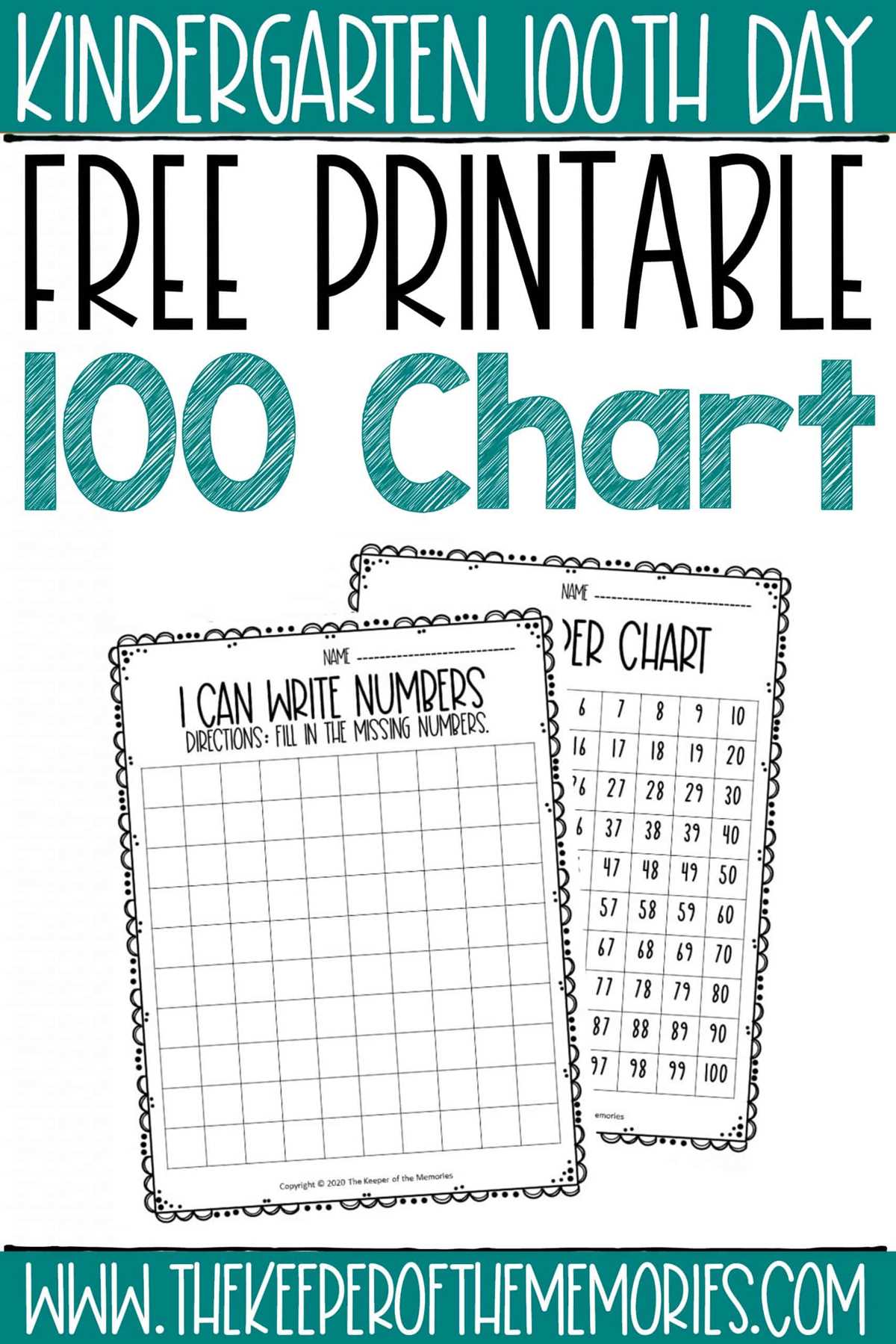
To practice number recognition and counting, use a downloadable grid template featuring numbers 1 to 100. These grids can be printed and utilized for various educational activities, helping students visualize number patterns and improve their math skills.
How to Download and Print a Number Grid Template
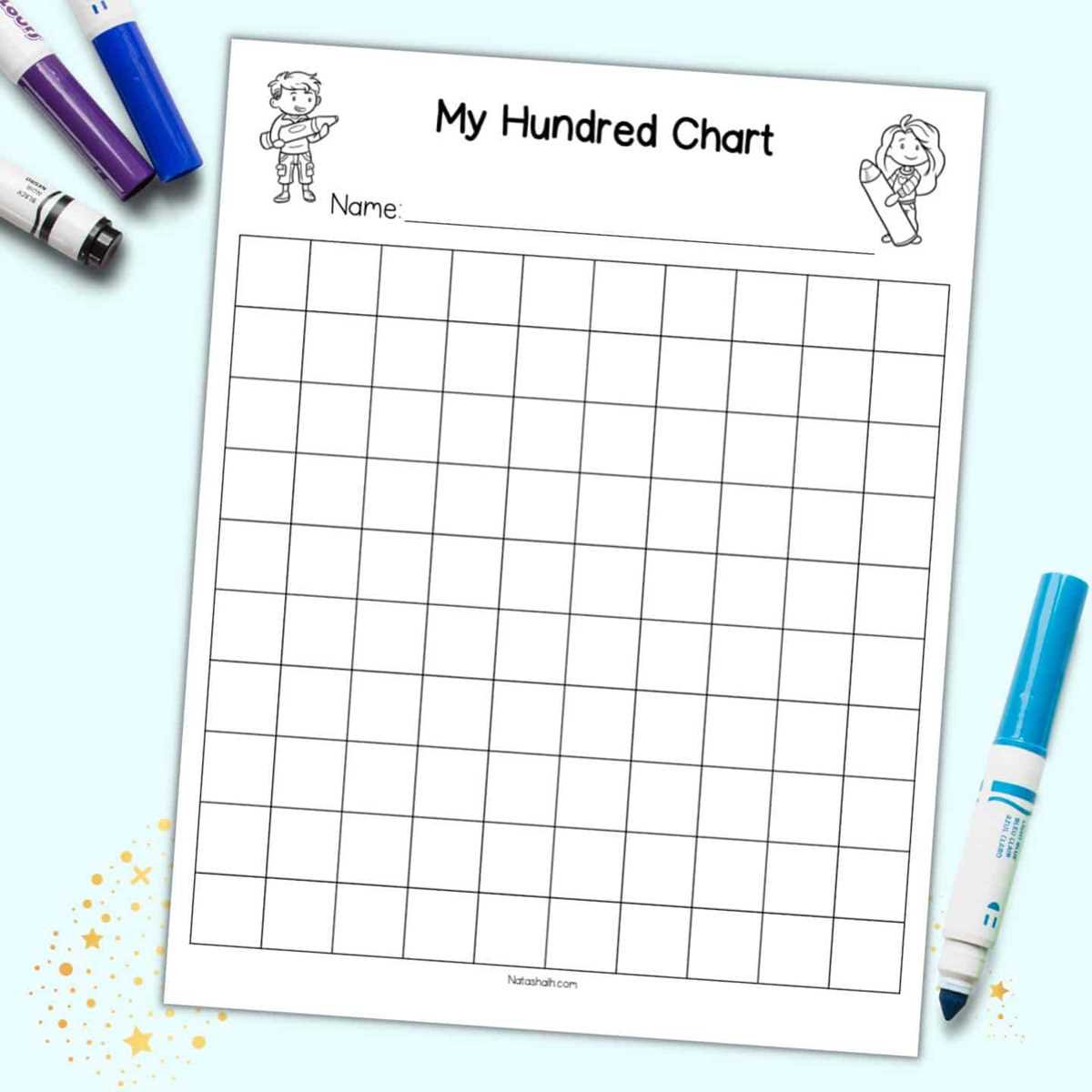
Start by finding a high-quality template available for download. Many websites offer printable number grids that are free to access. Select the version that suits your needs, whether you want a grid with blank spaces for writing or a fully numbered grid for immediate use. Once downloaded, open the file in a PDF reader or image viewer. Ensure your printer is set to high quality and print on sturdy paper like card stock for better durability.
Creative Ways to Use the Grid for Math Practice
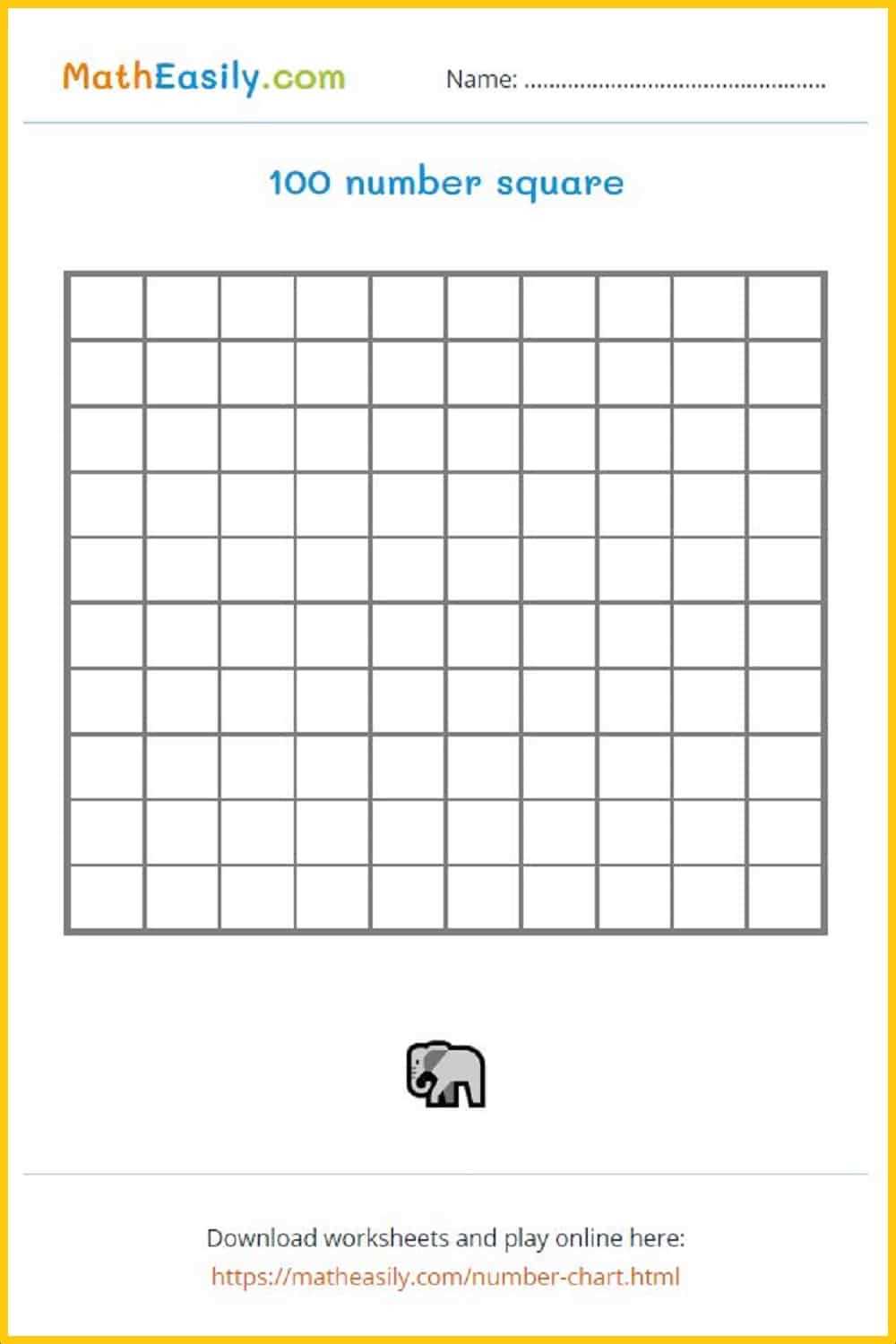
Once printed, this grid can be used for a variety of hands-on math activities. For younger students, try coloring or highlighting specific number ranges (e.g., all numbers in the 50s) to build recognition skills. Another exercise is to have students practice skip counting, such as counting by 2s or 5s, by shading in the relevant numbers. This method helps children visualize sequences and understand the relationship between numbers.
For older students, challenge them with math problems using the grid. For example, ask them to identify factors or multiples within the grid or create patterns using specific numbers. You can also use the grid for interactive games, such as “find the missing number” or time-based challenges, which makes learning engaging while reinforcing key math concepts.
How to Make the Most of a Number Grid for Learning
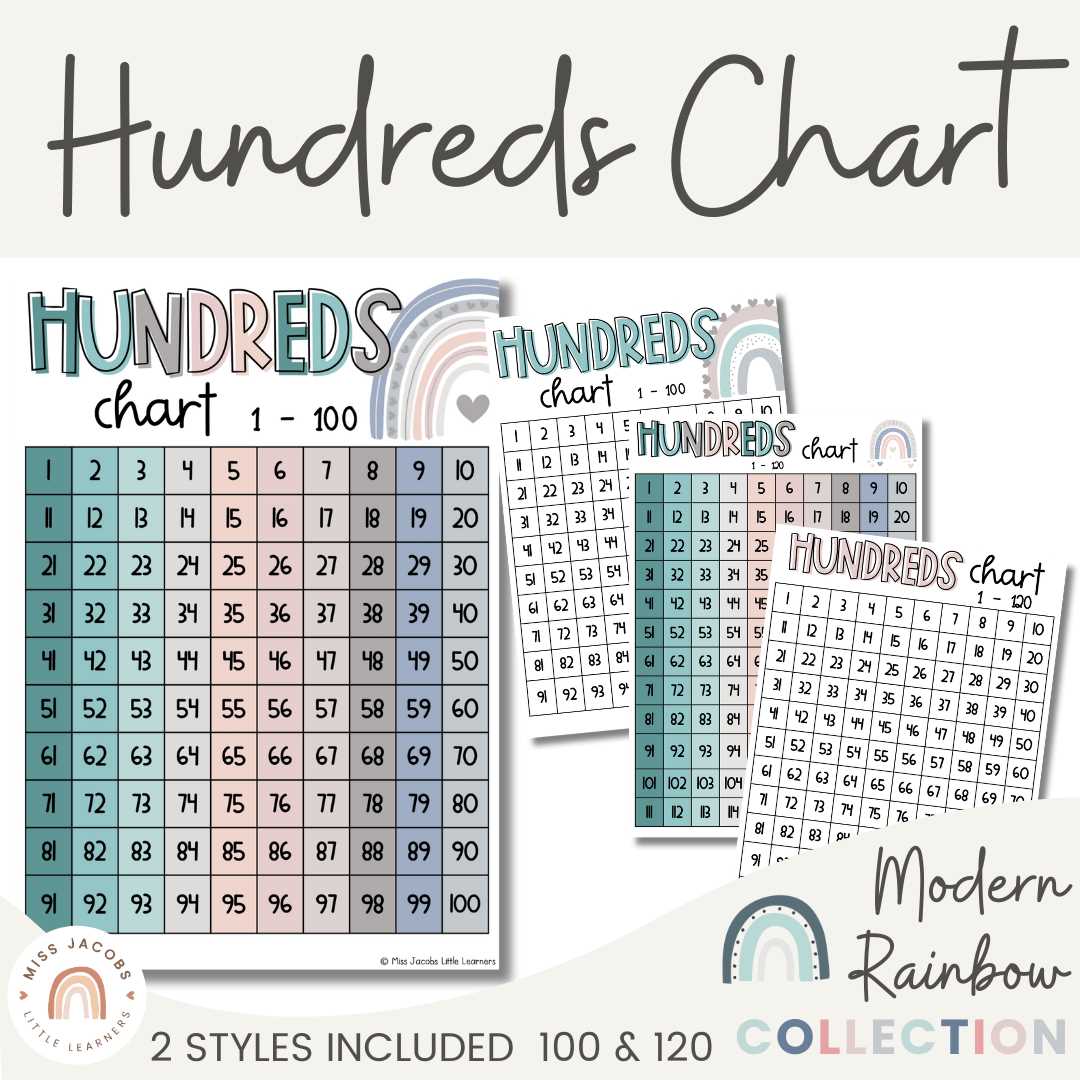
Download a number grid template for teaching counting and number patterns. Ensure the grid is clear, with large, legible numbers that help learners focus on identifying sequences. Once printed, students can use the grid to track their progress as they move through different number ranges, helping them visualize the relationship between numbers as they increase or decrease.
One great exercise is to have students highlight every tenth number, reinforcing the concept of skip counting. This also supports the understanding of base-10 structure, which is crucial when teaching math fundamentals. For example, shading in every tenth square helps students visually connect the numbers 10, 20, 30, and so on, while learning how multiples are structured.
Another useful activity is to have learners identify numbers within specific ranges. For instance, ask them to color all numbers between 40 and 60 or list out all the even numbers on the grid. This simple task helps improve their number recognition and fluency while also familiarizing them with the concept of grouping numbers by patterns.
For older students, you can introduce more advanced exercises using the grid. Challenge them to identify prime numbers or work on multiplication problems, using the grid to help visualize the answers. This method turns a simple grid into a versatile learning tool, encouraging students to think critically about math concepts in a visual context.
To keep students engaged, turn the grid into a game. Create a scavenger hunt where students find and circle numbers that match specific criteria, like numbers that are multiples of 3 or numbers that have a certain number of factors. This makes learning both interactive and fun, ensuring students are practicing their skills without losing interest.