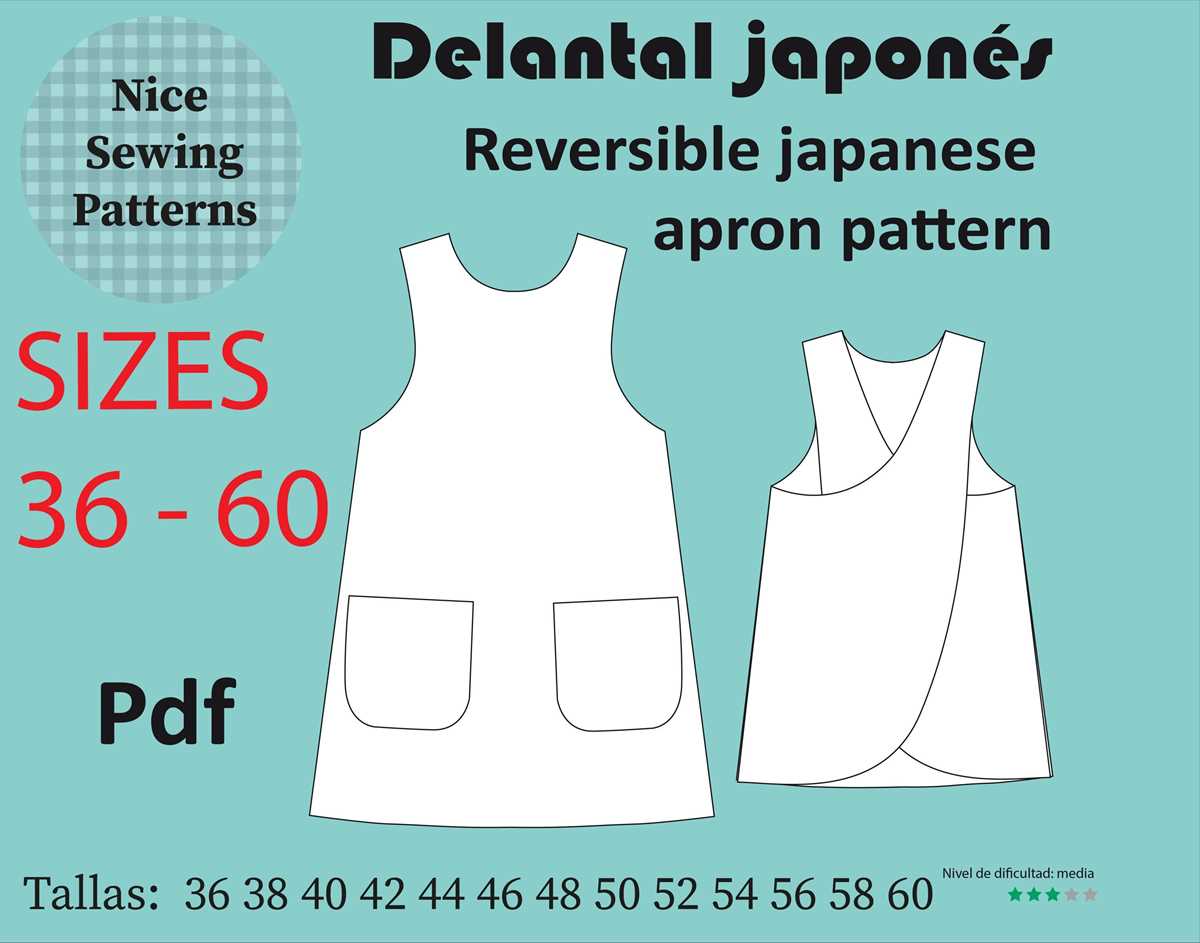
How to Get Started with Simple Designs
If you’re looking to craft your own protective wear, start with a design that aligns with your needs–whether it’s for household chores or kitchen work. Begin by measuring your body, particularly the waist, chest, and the length from neck to knee. This will give you an idea of the dimensions for creating a comfortable and functional garment. Choose a fabric that’s durable yet flexible, like cotton or linen, to ensure both comfort and long-lasting use.
Materials You Will Need
- Sturdy fabric like cotton, denim, or linen.
- Measuring tape for accurate body dimensions.
- Fabric scissors for clean cuts.
- Thread that matches your fabric for durability.
- Sewing machine or needle for hand stitching.
- Pins to hold the fabric in place before stitching.
Step-by-Step Guide for Crafting Your Protective Garment
Once you’ve gathered your materials and taken your measurements, follow these steps:
- Cut your fabric: Create the main body panel, as well as straps or ties for fastening. Use your measurements to cut the correct size for the body and straps.
- Prepare the edges: Fold over the edges of your fabric and pin them in place. This step will prevent fraying and ensure durability over time.
- Sew the body together: Start by stitching the side seams. If you’re adding pockets, sew them onto the main body first before joining the sides.
- Add straps or ties: Attach the straps to the top, either at the neck or shoulders, depending on your preference.
- Finishing touches: Hem any loose ends and double-check the stitching for any weak points that need reinforcing.
Design Options and Variations
If you’re feeling adventurous, you can experiment with different designs. Consider creating a wrap-around version, or adding decorative elements like embroidery or fabric paint for a personal touch. You could also adjust the length or width of the garment to match your specific requirements, whether it’s for a more fitted look or a loose, relaxed style.
Common Mistakes to Avoid
- Incorrect measurements: Ensure your fabric is cut to the right size for a comfortable fit.
- Poor fabric choice: Avoid stretchy materials that may lose their shape after several uses.
- Skipping the pre-wash: Always wash your fabric before starting the sewing process to avoid shrinkage later on.
Top Ideas for Customizing Your Sewing Projects
Choosing the right template for your sewing projects can make all the difference. A simple design can be adjusted to fit your personal preferences, creating a unique item tailored to your needs. The key is to select a design that offers flexibility and ease in the crafting process. Opt for options that include both basic and advanced elements, giving you room to explore different styles and techniques.
Once you’ve selected your model, pay close attention to the materials. Some designs are made for lightweight fabrics, while others are suited for more durable materials. Knowing the fabric requirements of each template will help you avoid frustration and ensure your finished item is both comfortable and long-lasting.
To save time and resources, find designs that include detailed instructions for each step. Many options include cutting guides and seam allowances, which are crucial for achieving a professional-looking result. It’s advisable to print these guides at full size for accuracy and ease in cutting your materials.
If you want to add a personal touch, consider altering the design’s length or adding pockets. Modifications like these can make your project more functional without compromising the overall look. Experimenting with various shapes, such as rounded or straight edges, can also give your project a unique flair.
Another benefit of using versatile templates is the ability to mix and match patterns. By combining elements from different designs, you can create something completely original. This method is especially useful if you’re looking to create a set of matching items, like coordinated kitchen accessories or gifts for loved ones.
Lastly, keep in mind that simple adjustments can improve the fit and comfort of your finished item. Customizing straps, adjusting necklines, or adding extra lining can ensure that your project not only looks great but feels comfortable too. Small tweaks often lead to the most satisfying results in DIY crafting.