Printable Learning Materials
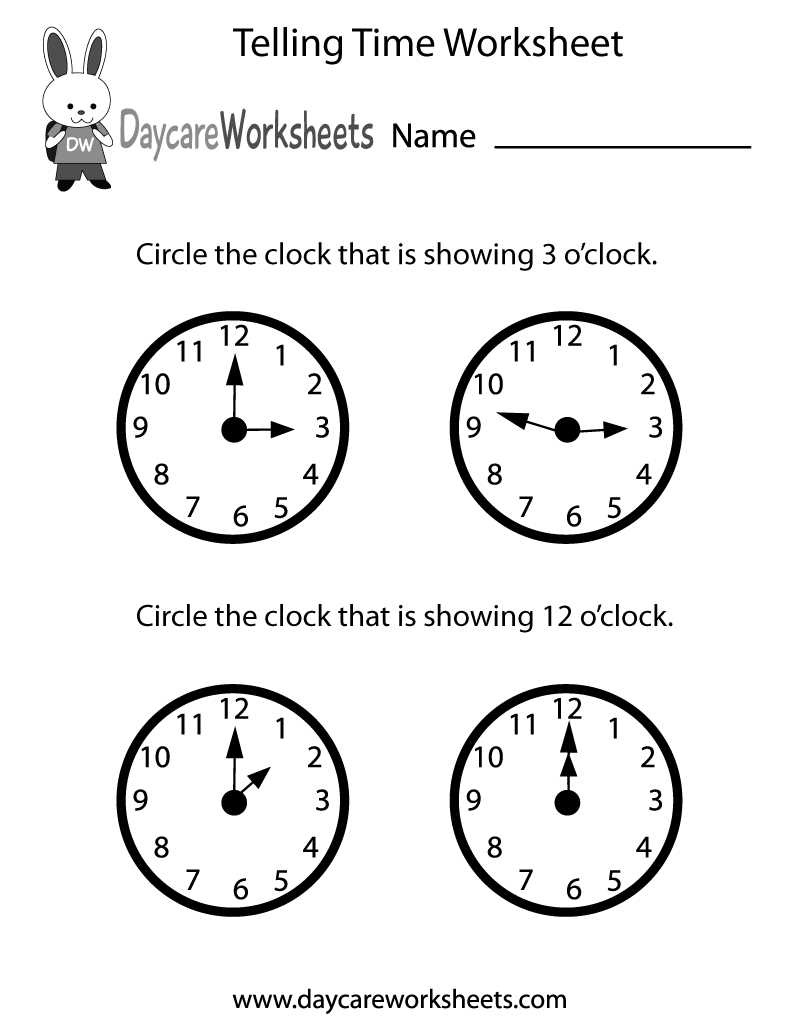
Accessing visual guides and worksheets dedicated to understanding hours and minutes can dramatically improve a child’s ability to read clocks. Simple, engaging, and hands-on resources such as worksheets or flashcards make it easier to grasp the concepts of intervals, sequences, and regular intervals. These materials can be downloaded and printed, allowing children to work through them at their own pace, whether in the classroom or at home.
Clock Face Worksheets
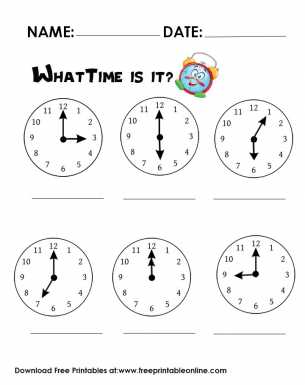
To help children become familiar with clock faces, printable worksheets featuring blank clocks can be used. Students can draw the time on these clocks or label the correct hour and minute markers. Variations of these sheets might include half-hour intervals, quarter-hour segments, or digital-to-analog conversions for more comprehensive practice.
Interactive Activities
- Coloring Sheets: For younger learners, color-by-number clock worksheets that represent various hours and minutes are effective for reinforcing knowledge through art.
- Matching Exercises: Pairing written time with corresponding clock images strengthens pattern recognition and memory retention.
- Timed Quizzes: Printable quizzes that challenge the student to identify specific times quickly will help improve both speed and accuracy.
Advanced Approaches to Understanding Schedules
For those already familiar with the basics of time-reading, advanced printable resources such as schedule planners or exercises involving time intervals can further develop a student’s understanding. Worksheets with real-life applications, like timetables and agendas, are great tools to illustrate how schedules affect daily activities.
Calendar and Schedule Templates
Printable daily, weekly, or monthly planners allow for an in-depth look at how different activities fit within specific timeframes. These tools encourage the student to visualize how time is divided and allocated throughout the day. They also offer opportunities for students to practice creating their own schedules and understanding the impact of time management.
Activity-Based Time Tracking
- Timed Events: Printable exercises where children need to track events that last for a set period (e.g., 10 minutes, 30 minutes).
- Time Estimation: Worksheets that ask the learner to estimate how long a task will take and then check their accuracy.
Mastering Clocks with Printable Resources
Consider using activity sheets that help learners grasp the concept of reading clocks. These tools allow students to connect numbers and hands with actual time readings, fostering a practical understanding of hours and minutes. Look for designs with both analog and digital formats to reinforce the connection between the two.
For a more interactive approach, worksheets with blank clock faces encourage students to fill in the hour and minute hands themselves. This hands-on activity boosts engagement and helps children visualize how the rotation of the hands correlates to the passing of minutes.
If you’re teaching young learners, it’s beneficial to use large clocks for physical manipulation. However, supplement these lessons with visual guides that show how numbers on a clock face correspond to actual times, helping to solidify their understanding.
Consider introducing mixed exercises where students must match written times (e.g., “3:15”) with the corresponding clock face. This pairing exercise is particularly useful for reinforcing both recognition and recall of clock numbers and positions.
For advanced practice, printable puzzles where students need to solve problems based on set times can encourage quicker thinking. These exercises can range from simple “what time is it?” questions to more complex scenarios requiring students to calculate elapsed time or determine future times.
Interactive PDFs can also include timers or countdown clocks, making the experience more dynamic. This variation allows learners to see how time progresses in real-time, which can help them better estimate how long tasks may take.
Incorporating a mixture of color-coded clocks and labeled hands can aid learners in differentiating between key concepts such as “minute hand” and “hour hand.” Using color to distinguish between the two can reduce confusion and speed up the learning process.
Lastly, printable games like bingo or matching cards focused on clock readings can turn learning into a fun and engaging experience. These activities not only reinforce the lessons but also help improve speed and accuracy when recognizing times.