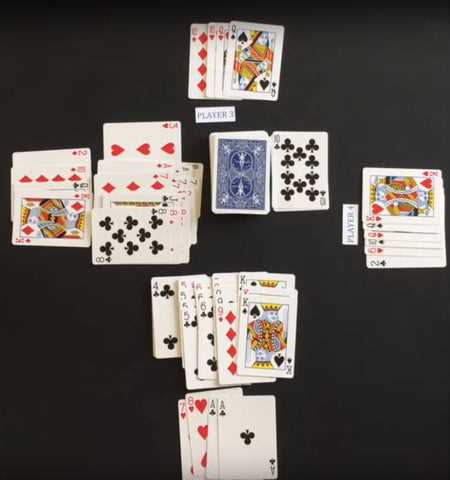
Objective
The goal is to score points by forming melds and completing the deck’s requirements. The first to reach the target score wins the match. A team of two can compete in this style as well, but here we focus on individual play.
Setup
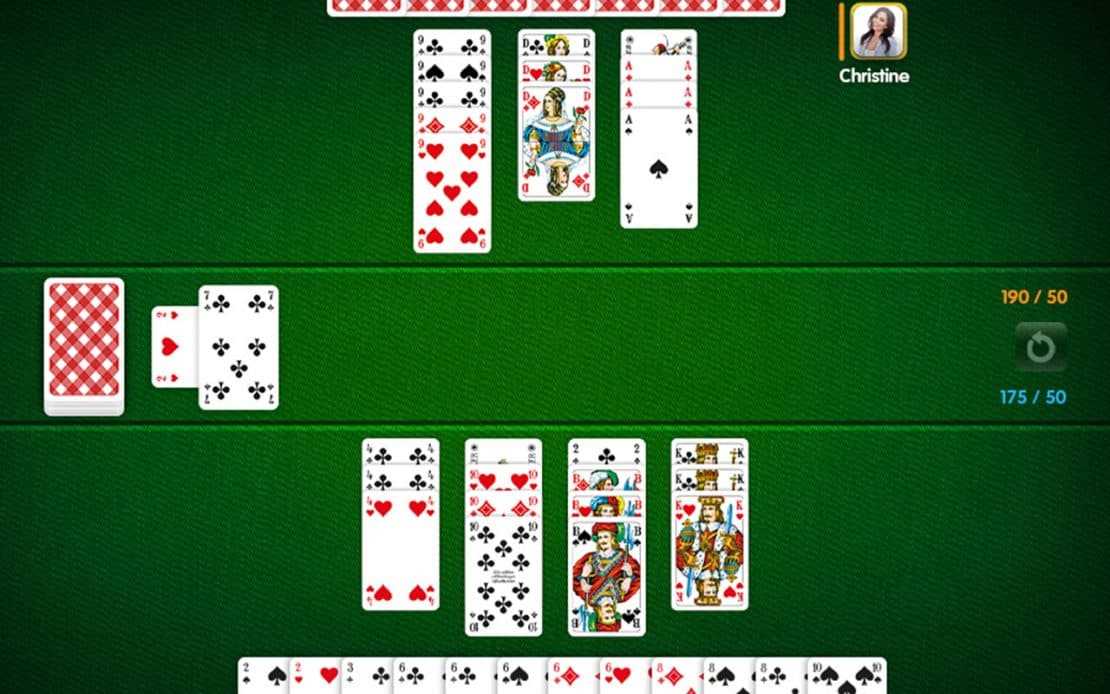
Each person receives 11 cards dealt from a shuffled deck. The remaining cards form the draw pile. The top card of the deck is turned over to create the discard pile. The discard pile can only be accessed during the turn after a player has completed a meld.
Playing the Game
The game consists of turns where a player can either draw a card, add to a meld, or discard a card. To make a meld, a combination of at least three cards of the same rank is placed face-up on the table. Players are allowed to add cards to their own melds or to those already on the table. Keep in mind, each meld should be made up of cards of the same rank, with the potential to add wildcards, depending on the agreed-upon variation.
Drawing and Discarding
- At the start of each turn, draw a card either from the draw pile or the discard pile.
- After drawing, you must discard one card to keep your hand at the required number of cards.
Wild Cards
Wild cards can replace any regular card in a meld. These are typically represented by twos or jokers in a standard deck. Be mindful that while they add flexibility, the number of wild cards in a meld can be limited based on the variant being played.
Scoring
Each card has a specific point value. Regular cards score based on their rank, with face cards (Jack, Queen, King) being worth 10 points each and Aces valued at 15 points. Wild cards typically score 20 points each, while the number of cards in a meld impacts the total value.
Closing the Round
The round concludes once one player forms a certain number of melds or reaches the predetermined score. This player’s turn will trigger the end of the round. Afterward, points are tallied, and the next round begins.
Additional Rules
- If a player cannot form a valid meld, they must pass their turn.
- The game continues until a player reaches the agreed-upon total, typically 500 points.
Endgame Considerations
At the conclusion of the final round, the player with the highest score is declared the winner. If both players have reached the target score simultaneously, the game ends in a tie.
Two-Player Card Game Strategy and Instructions
To begin, each individual is dealt 11 cards. Players aim to form melds of three or more cards of the same rank, using a deck of standard cards, which includes two jokers. A meld can contain cards from either player’s hand or the deck, but it must meet the minimum count requirement.
One of the central mechanics is the discard pile. Each round concludes when a player places a card on the discard pile, signaling that they’ve completed their turn. It’s critical to keep track of this pile, as a strategy is to control it by managing which cards are discarded. This will block your opponent from using valuable cards in their hands.
Focus on forming the largest possible combinations early. A meld consisting of seven or more cards, known as a “clean” meld, grants additional points. Strive to build these as soon as possible, but be mindful of the points for each type of set. Remember, you score based on the value of the sets in your hand as well as the ones on the table.
The strategy relies on controlling the deck and knowing when to “go out” by placing all cards. This ends the round, but the timing is important. You don’t want to go out too early, leaving you with unmelded cards that add negative points to your score. Keep track of your opponent’s actions to judge the best moment.
Monitor the types of cards your opponent is discarding. Cards discarded in the open pile can often signal the type of hand they are working towards. If they consistently discard certain ranks, they may be trying to complete their melds. This information can guide your own decisions and help in blocking their progress.
Lastly, avoid unnecessary risks that can backfire. Keeping your hand versatile with a mix of suits and ranks offers more options, while focusing too much on one strategy can leave you vulnerable to being blocked by the other participant. Flexibility is key in maintaining control of the situation. Keep a balanced approach, always ready to adjust your strategy according to the flow of the game.