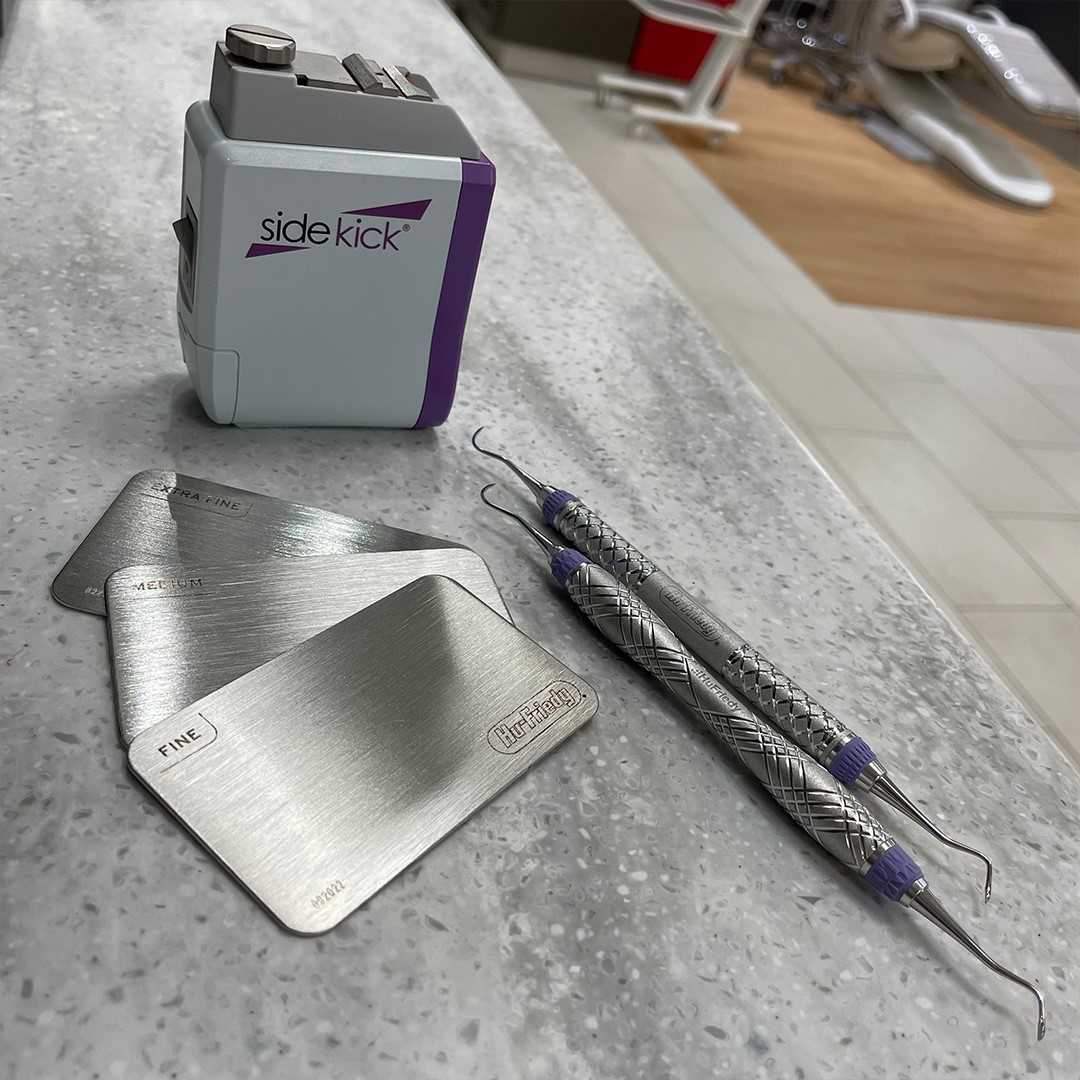
For optimal performance, regularly maintain the sharpness of your tools. Follow these steps for the best results.
Step-by-Step Instructions for Honing Tools at Home
To preserve the cutting edge of your equipment, begin by selecting the proper sharpening surface. A high-quality sharpening stone is ideal for most tools. Ensure that the stone is evenly moistened with water or oil, depending on the type you use.
Process:
- Angle maintenance: Hold the blade at a consistent angle, usually between 15 to 20 degrees. This ensures a sharp edge without excessive wear.
- Motion: Move the tool across the surface in a smooth, sweeping motion, alternating sides regularly to maintain an even edge.
- Pressure: Apply gentle, even pressure during the process. Too much force can damage the cutting edge.
- Testing: After several passes, test the sharpness by cutting through a piece of paper. If the tool slices cleanly, it is sharp enough.
Common Issues and How to Avoid Them

Improper technique can damage tools, so it’s important to understand common pitfalls.
1. Incorrect Angle
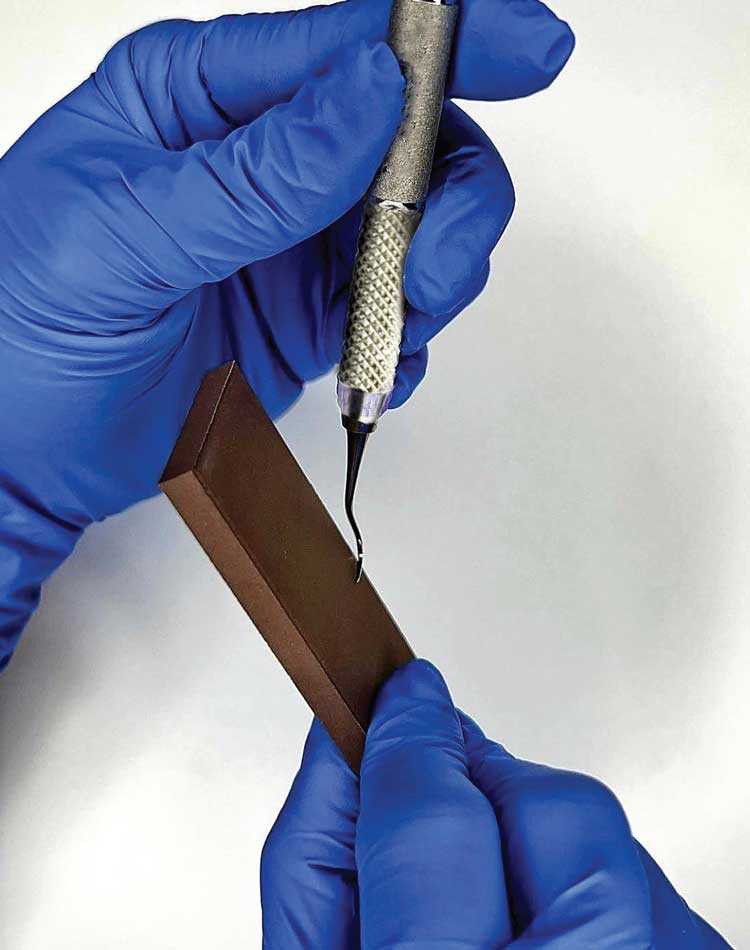
Holding the tool at the wrong angle is one of the most common mistakes. A steeper angle may cause a dull edge, while a shallower angle can weaken the tool’s durability. Stick to the recommended 15-20 degree range for best results.
2. Uneven Pressure
Applying too much pressure on one side of the blade can create an uneven cutting edge. It’s important to use consistent, light pressure to ensure both sides are sharpened equally.
3. Using the Wrong Surface
Choosing an inappropriate sharpening stone or surface can lead to ineffective honing. Be sure to select one that matches the type of tool you’re working with.
By following these guidelines, you can maintain your tools’ sharpness for longer and ensure precise, safe performance in your procedures.
Sharpening Tools for Maximum Precision
To maintain the sharpness of your tools, always begin with a proper surface, such as a fine-grit sharpening stone. This will help you achieve a consistent edge without damaging the material. Make sure to regularly clean the stone to remove debris that could cause scratches or uneven sharpening.
Hold the tool at a consistent angle throughout the process. Typically, an angle of 15-20 degrees works best for most equipment. Moving the blade across the stone with a fluid, sweeping motion ensures that the edge is evenly honed, which is key for cutting accuracy.
Testing the sharpness is simple but crucial. Once you’ve completed several passes, try cutting a piece of paper. If the tool slices cleanly, without dragging, the edge is sufficiently sharp. If not, repeat the process, focusing on areas that are not cutting effectively.
Common issues arise from uneven pressure or incorrect angles. To avoid mistakes, ensure that you’re applying light, even pressure on both sides of the tool. If you find that the edge is still dull after sharpening, consider using a finer stone or honing rod for a final touch-up.