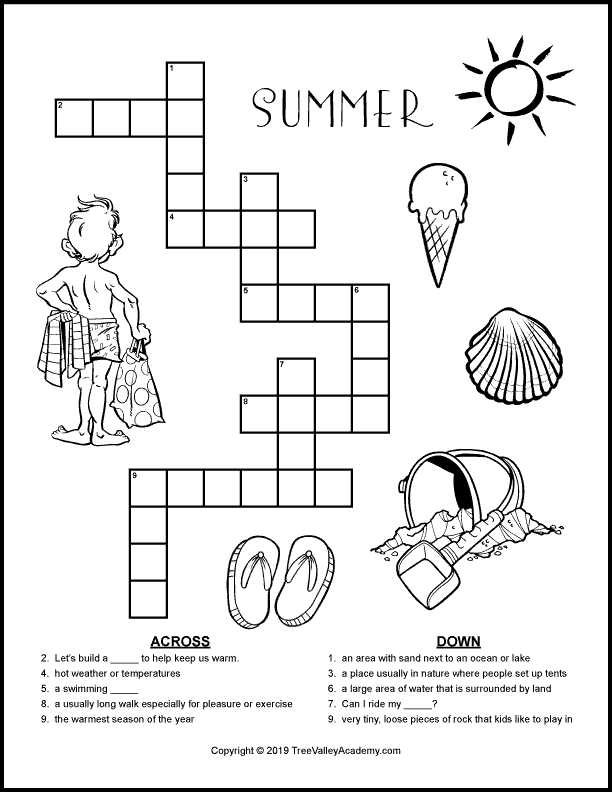
To keep children engaged and learning during their time off, start by selecting age-appropriate materials that combine fun with learning. Choose activities that reinforce basic skills like math, reading, and logic, but present them in a playful and creative format. Look for designs that are visually appealing, with bright colors and themes that attract kids’ attention.
How to Select the Right Activities for Your Child
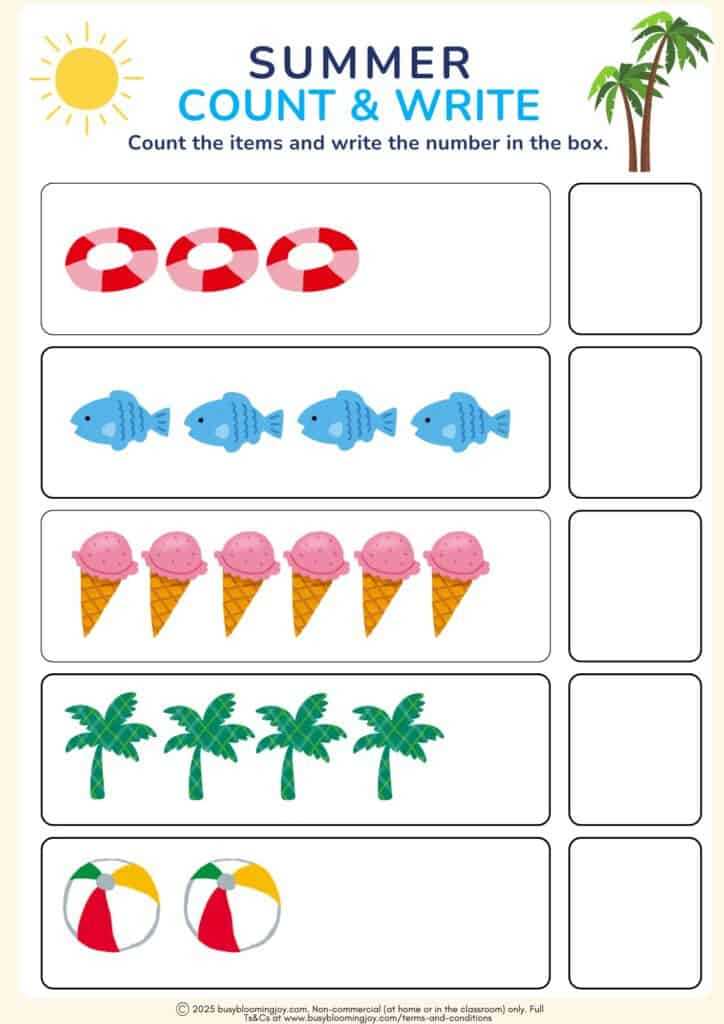
When selecting tasks, consider the age and learning level of the child. Younger kids will benefit from simpler activities, such as matching games or number tracing, while older children can tackle word puzzles or math challenges. Ensure that the difficulty level is neither too easy nor too hard to maintain their interest.
Focus on Skill Development
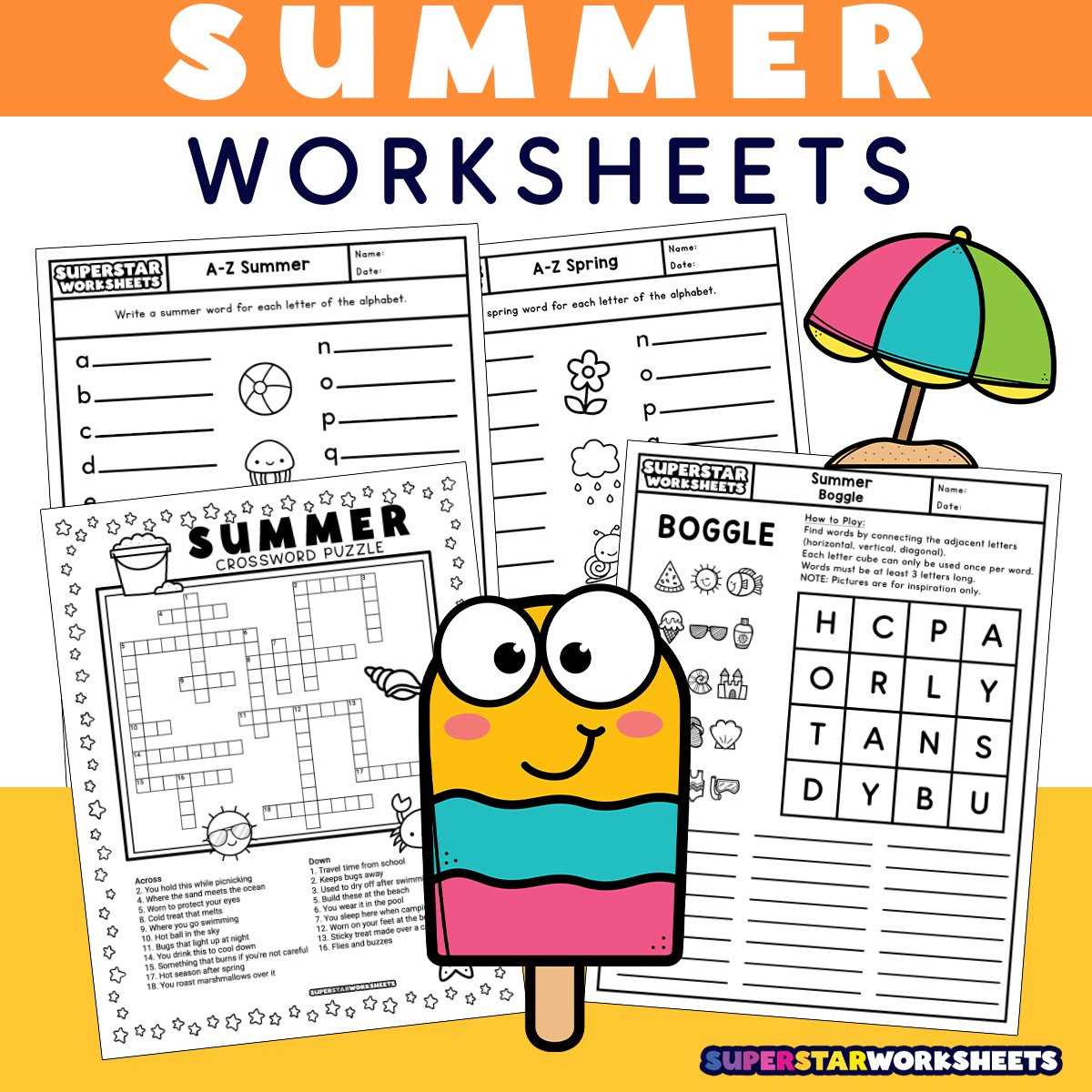
Look for printable tasks that target specific skills. For example, reading comprehension exercises help with language development, while basic math tasks improve number sense. Visual and hands-on activities like coloring or matching games can also boost fine motor skills and cognitive abilities.
Incorporate Fun Themes
To keep the experience exciting, choose themes that align with children’s interests, such as animals, space, or sports. These themes will make the activities feel more like a game than a chore, enhancing the learning experience. You can also mix in creative arts and crafts tasks alongside educational exercises for variety.
Making Learning Interactive and Enjoyable
To make the experience interactive, set challenges or time limits. Offer small rewards or encourage kids to complete activities with family or friends. You can also create an activity schedule, allowing the child to choose which tasks to complete each day, giving them some autonomy over their learning process.
These activities can be printed and used as part of a fun daily routine or as special projects when more focused time is available. Using hands-on materials helps children retain knowledge while making the learning process enjoyable and less formal.
Engaging Activities for Kids During Breaks
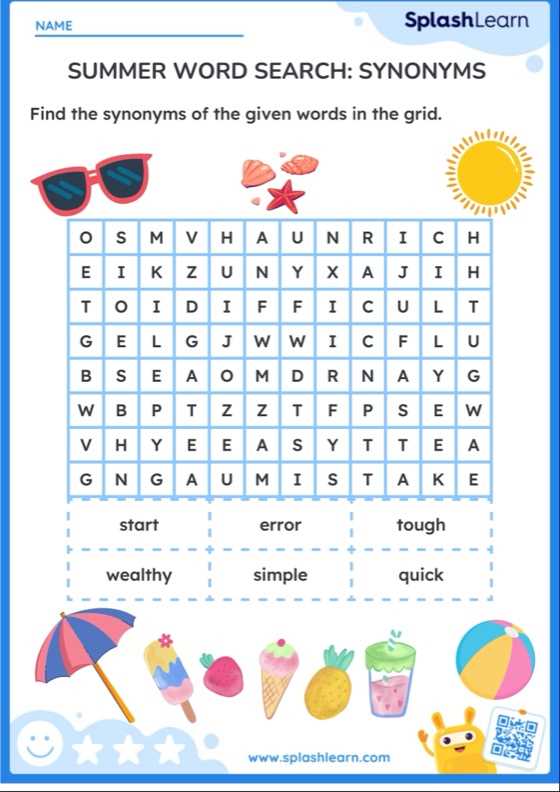
Start by selecting fun tasks that keep children’s skills sharp without feeling like traditional schoolwork. Opt for easy-to-follow games that encourage learning through hands-on activities. Look for designs that incorporate vibrant colors and simple instructions to engage kids effectively. Tasks like number puzzles, word searches, or simple logic challenges work great for children of various ages.
For younger children, incorporate drawing or matching activities where they can identify objects or animals, improving both their fine motor skills and cognitive development. Older children can benefit from activities that involve reading comprehension, simple math equations, or even simple science experiments. Be sure to match the activity’s difficulty level with the child’s age to avoid frustration and boredom.
If you have multiple children, consider combining several themed tasks into one booklet. You can create a mix of activities such as coloring pages, trivia, and more complex problem-solving tasks. This approach allows kids to choose their preferred activity and offers variety, keeping the experience fresh and exciting every day.
To make it interactive, you can use rewards like stickers or small prizes for completing each task. This adds a level of excitement and helps kids feel a sense of accomplishment. You can also set a time limit for each activity, challenging them to finish within a given time frame, making it feel like a fun and rewarding race.