Strength Training Routine
To get noticeable results in strength, the key is consistency and progressive overload. Aim to incorporate compound exercises like deadlifts, squats, and bench presses into your workouts. These exercises activate multiple muscle groups, leading to faster gains in both size and power. Start each session with a compound movement, performing 4-5 sets of 6-8 reps at a challenging weight, with proper rest between sets.
Legs and Core Focus
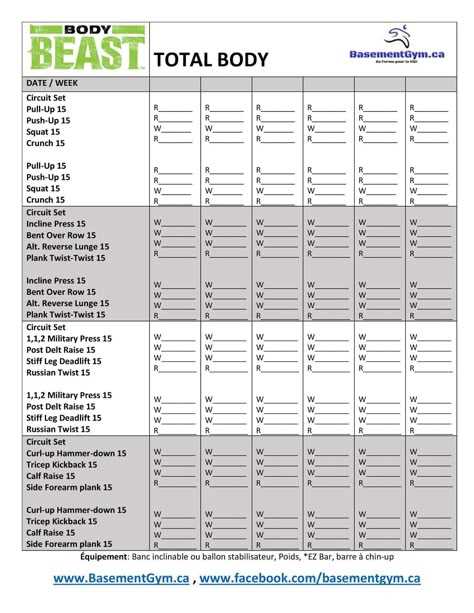
- Squat (3 sets of 8-10 reps)
- Leg press (3 sets of 10 reps)
- Deadlift (4 sets of 6 reps)
- Planks (3 sets, 30-60 seconds)
- Leg raises (3 sets of 15 reps)
For optimal growth, hit legs at least twice a week, ensuring you vary your movements to target both strength and hypertrophy. A well-conditioned core will improve stability during heavy lifts and support injury prevention.
Upper Body Routine
- Bench press (4 sets of 6-8 reps)
- Pull-ups (3 sets to failure)
- Overhead press (4 sets of 8 reps)
- Barbell rows (4 sets of 8-10 reps)
- Dumbbell curls (3 sets of 12 reps)
For maximum muscle engagement, always ensure a full range of motion during exercises like the bench press and pull-ups. Focus on proper form to avoid any unnecessary strain on your joints and maximize muscle recruitment. If bodyweight exercises like pull-ups feel too challenging, start with assisted variations before progressing to unassisted.
Recovery and Nutrition
To support muscle recovery, prioritize sleep and nutrition. Protein intake is crucial; aim for 1.5 grams per kilogram of body weight per day. Include nutrient-dense foods to enhance recovery, such as lean meats, eggs, and legumes. Don’t neglect healthy fats and carbohydrates, as they play a role in providing energy and supporting hormone production.
In terms of rest, ensure at least one full day of recovery per week. Active recovery, such as light cardio or stretching, can promote blood circulation and decrease muscle soreness.
Track Your Progress
Documenting your progress helps identify areas for improvement and celebrate milestones. Keep a log of weights, sets, and reps for each session. This will not only help you stay motivated but also ensure that you continue to progress at a steady rate.
Effective Workout Plan for Maximum Strength Gains
For optimal muscle growth, dedicate at least five days per week to weight training. Alternate between upper and lower body exercises, with compound movements taking priority. Split your routine into different muscle groups, focusing on one major muscle group per day. This structure maximizes recovery and allows targeted intensity for each session.
Each workout should begin with a warm-up to prepare your muscles for heavy lifting. 5-10 minutes of light cardio, followed by dynamic stretches, will prevent injuries. Incorporate movements like squats, deadlifts, bench presses, and pull-ups to engage multiple muscles at once. These lifts create a solid foundation and should make up the bulk of your routine.
Strength training should be progressive, with incremental increases in weight. If you’re lifting 100 lbs one week, aim for 105 lbs the next. Tracking your weights and reps ensures steady progression. It’s important to listen to your body; overtraining can lead to fatigue and injury. Pay attention to how your muscles feel after each session to prevent burnout.
Incorporating a balanced diet will significantly enhance muscle recovery. Aim for 1.2-2 grams of protein per kilogram of body weight daily to repair muscle fibers. Carbs and fats are also crucial for sustained energy. Proper hydration is equally important, as dehydration can hinder performance and recovery.
Rest and sleep play a role in your performance, so schedule recovery days between intense sessions. This ensures your muscles rebuild stronger. If soreness persists, incorporate stretching, foam rolling, or low-impact activities to keep your body loose and mobile without risking injury.