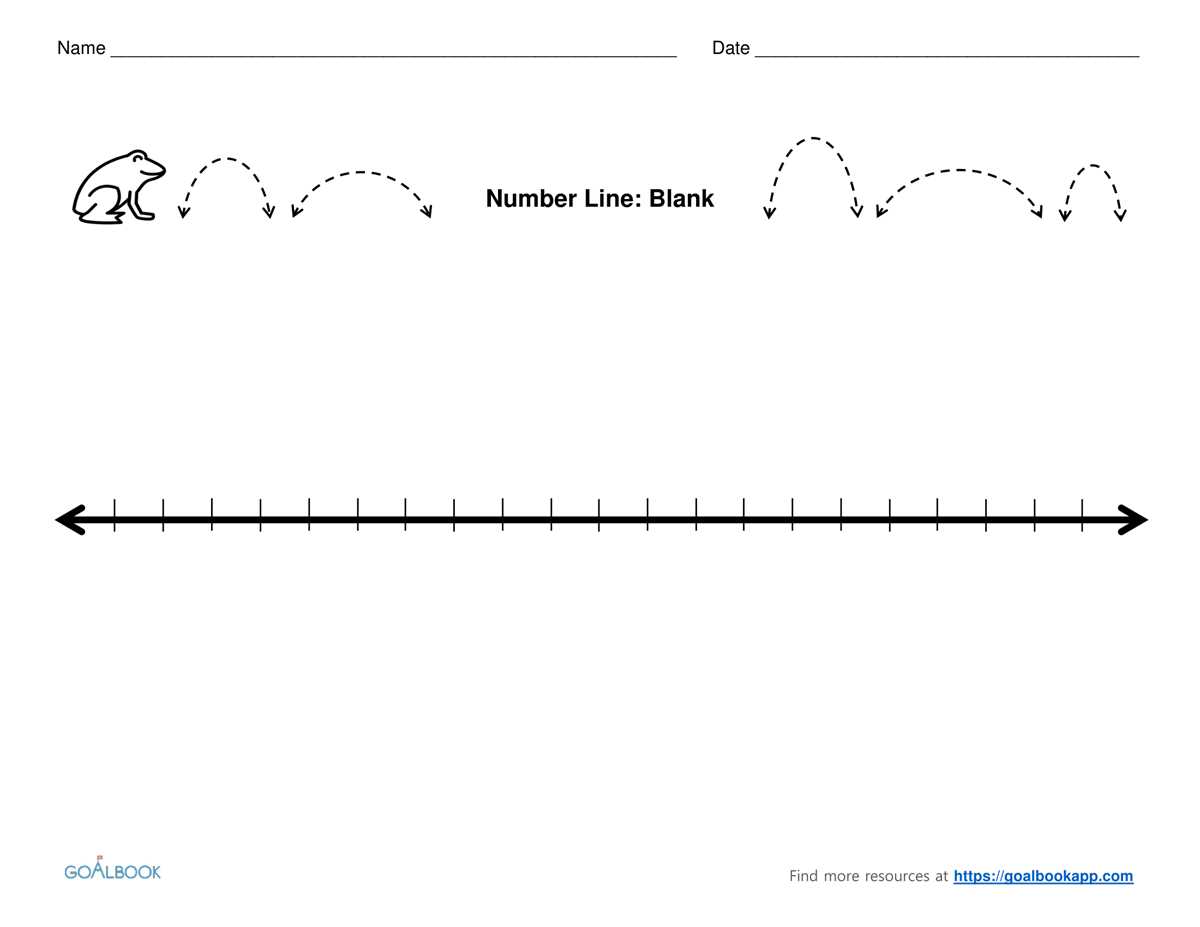
To begin using this tool for math practice, start by selecting a version that suits the difficulty level of the task. For basic addition and subtraction, a simple version without labels or markers can be ideal. For more complex tasks, such as multiplying or dividing larger numbers, incorporating intervals and labels is a good strategy to help visualize the process.
Make sure the visual aid is large enough for students to clearly see the placement of each number or step. One common method is to print multiple copies of the chart in varying sizes so that they can be adapted to different learning environments. In classrooms, consider using a whiteboard version that allows for real-time interaction and modification. For home practice, you can easily download and print versions that help children better understand number sequencing.
For children learning to count or understand place value, using these charts can help them connect abstract concepts with tangible steps. It encourages an interactive approach where they can physically mark or move along the visual sequence, reinforcing their understanding through physical interaction with the materials.
How to Use an Open Number Line for Math Practice and Learning
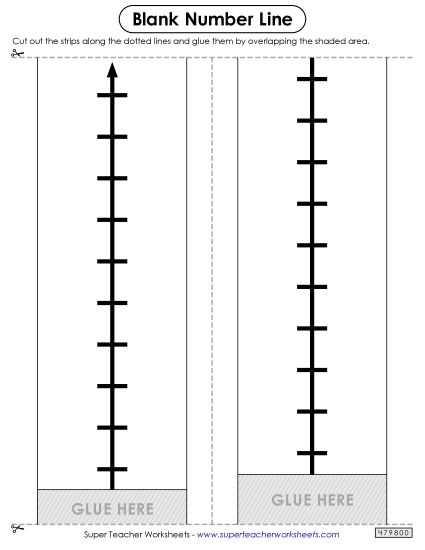
To begin using this tool for math practice, start by clearly marking the starting and ending points. These marks help create a visual representation of the sequence you want to work with, whether it’s simple counting or solving addition and subtraction problems. For beginners, use a number series like 0 to 10 to get started with basic concepts such as counting forward and backward.
When practicing addition, write down the initial number and encourage the learner to count forward by the correct number of steps. For example, to solve 5 + 3, place 5 on the line, then move three steps to the right, landing on 8. This visual method reinforces how numbers increase and provides a clear way to understand the concept of addition.
For more complex operations like subtraction or negative numbers, the same approach works in reverse. To subtract, start with a larger number and count backward, showing how the number line helps illustrate movement in the opposite direction. This is particularly useful for grasping the relationship between positive and negative values, allowing students to connect the concepts with physical movement on the visual aid.
As students advance, introduce greater ranges and skip-counting. For example, use a series that goes from 0 to 100 and work on counting by 5s or 10s. The open number line can also be adapted for multiplication or division practice by placing equal intervals to represent multiples of numbers. This technique not only enhances number sense but also encourages students to visualize abstract operations in a more concrete manner.
Creating Custom Open Number Lines for Specific Math Problems
To create a custom tool for a particular math problem, start by determining the range of numbers that are relevant to the problem. For example, if working on addition with numbers from 1 to 20, adjust the intervals to cover only that range. Mark each point clearly to ensure the numbers are evenly spaced, making it easier for learners to visually track their progress.
For multiplication or division, increase the space between points to represent multiples. For example, when teaching the concept of multiplying by 5, place every fifth interval on the line, such as 5, 10, 15, 20, and so on. This method helps students understand the relationship between numbers and visualize the multiplication process through consistent intervals.
When dealing with negative numbers or subtraction, you can adapt the line by using two directions. Start with a positive range and extend it into negative values. This visual cue will help students better grasp the relationship between positive and negative numbers, allowing them to easily see the movement back and forth on the number scale.
Customizing the intervals for more complex operations like fractions or decimals is also simple. For fractions, ensure that the spaces between the points represent parts of a whole, such as 1/2, 1/4, and 1/8. For decimals, divide each whole number interval into smaller parts, marking decimals like 0.1, 0.2, and so on, to enhance understanding of decimal placement and operations.