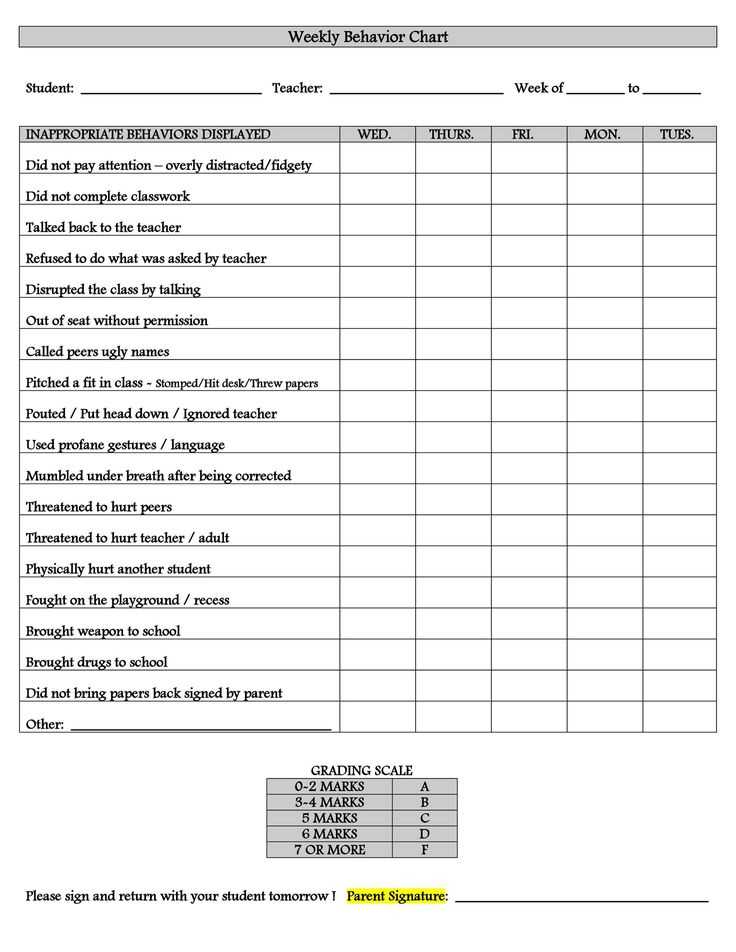
One of the simplest and most effective ways to track a child’s progress is by using a structured system to monitor their actions over time. By clearly defining expected behaviors and outcomes, you can visually observe their development, which can be motivating and rewarding for both the child and the adult guiding them.
Setting Up a Tracking System for Children
To begin, create a straightforward table or grid that lists the specific actions or behaviors you want to track. These could range from daily tasks like completing homework, helping with chores, or practicing good manners. Include columns for each day or week, where the child can receive a mark or sticker for meeting the outlined goal.
Ensure that the system is clear, simple, and easy for the child to understand. For example, you might use colored stickers to represent different levels of achievement, such as green for successful completion, yellow for improvement needed, and red for tasks not completed. This allows children to easily visualize their progress and understand how their actions impact their overall performance.
Motivating Positive Progress with a Reward System
Incorporating a reward element into the tracking system can enhance its effectiveness. After the child completes a set number of tasks or reaches a specific goal, offer a small reward. This could be extra playtime, a small treat, or even a privilege such as choosing a family activity. Rewards encourage continued effort and make the process more engaging.
Make sure that the rewards are meaningful to the child, as this will increase their motivation to engage with the system. Additionally, the goals should be realistic and attainable to avoid frustration. As progress is made, gradually increase the difficulty of the tasks to continue challenging the child and keep them motivated.
While it’s important to offer positive reinforcement, don’t forget to provide constructive feedback when goals are not met. Use this as an opportunity for the child to reflect on their actions and make improvements. This balance of praise and constructive criticism helps build resilience and a growth mindset.
Consistency is key. Regularly updating the system and ensuring the child understands how to monitor their own progress empowers them to take responsibility for their actions. Over time, they will develop self-discipline and a stronger sense of accountability.
Tracking Progress with a Structured System
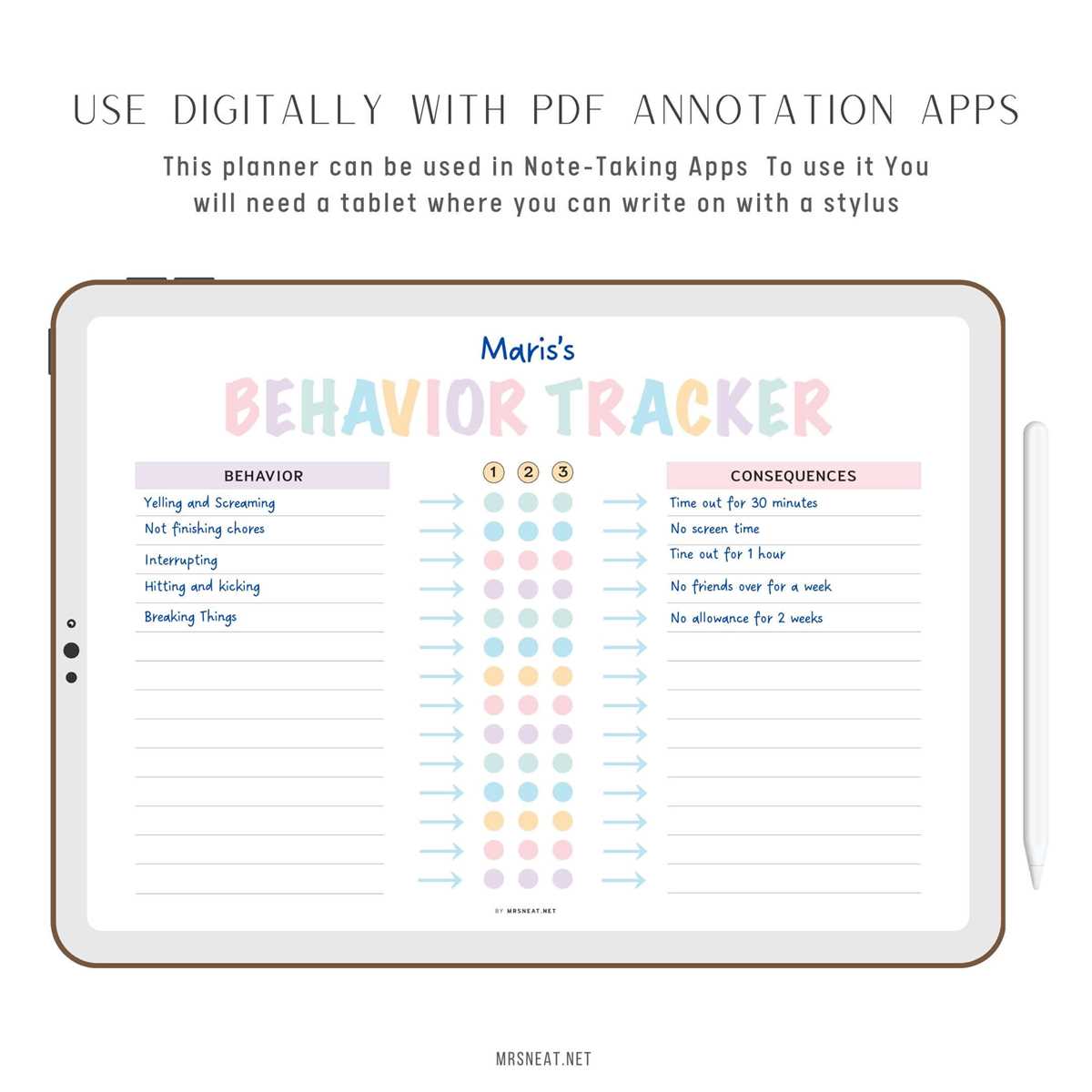
Start by designing a system where each task or goal is clearly defined. This could include activities like following routines, completing schoolwork, or demonstrating good manners. Use a simple table or grid to list these goals along with corresponding time periods (daily, weekly, or monthly). This helps children understand exactly what is expected from them and ensures the tracking process is easy to follow.
For each goal, provide a space where children can mark their progress. A simple checkmark or sticker system works well. This gives immediate feedback and encourages them to stay on track. For example, a gold star for a completed task or a red mark for something missed will quickly communicate their success or areas that need improvement.
Incorporating different levels of progress will make the system more engaging. You can use a color code to show how well the child is doing. Green could represent successful completion, yellow for partial success, and red for not completed. This system allows for a quick visual overview of progress and highlights areas that require attention.
Be consistent with how you record and assess progress. This ensures fairness and reliability. Children respond best when they know exactly what to expect and when they can trust that their efforts are being recognized consistently. Regular updates to the system will also keep them motivated and help identify patterns over time.
Alongside the tracking system, set achievable milestones that lead to a bigger goal. For instance, if a child is working towards a larger task like improving their grades, break it down into smaller steps, such as finishing homework on time or participating in class. Rewarding these small successes along the way can keep them motivated and provide a sense of accomplishment.
Don’t forget the importance of positive reinforcement. When goals are met, acknowledge and celebrate these achievements. This can be as simple as verbal praise or as rewarding as a small treat. Praise can have a significant impact on a child’s motivation, and reinforcing positive actions builds confidence.
Adjust the system as needed. As children grow and become more capable, increase the difficulty of the goals. This keeps the challenges relevant and supports ongoing development. You may also need to adapt the rewards and consequences to maintain engagement and provide continued motivation.
Finally, involve the child in the process. Let them track their own progress or help choose the goals they want to work on. This can increase their investment in the process and give them a sense of ownership over their personal growth. Having them contribute to the design of the system will make them more likely to stay engaged and motivated.