Begin the new academic year with engaging and fun activity sheets that will excite students. Offering a variety of engaging templates can help ease the transition and make the first moments in the classroom enjoyable.
Consider providing templates that feature fun puzzles, welcome notes, or quick learning exercises tailored to the grade level. These resources will not only support the learning environment but also help in organizing classroom activities on the first few days.
Printable activity sheets are a great way to set the tone for the year, offering an interactive and organized approach for both teachers and students. Choose themes that match the grade or learning objectives to maintain focus and create a positive atmosphere right from the start.
Making the First Moments Exciting with Easy Activities
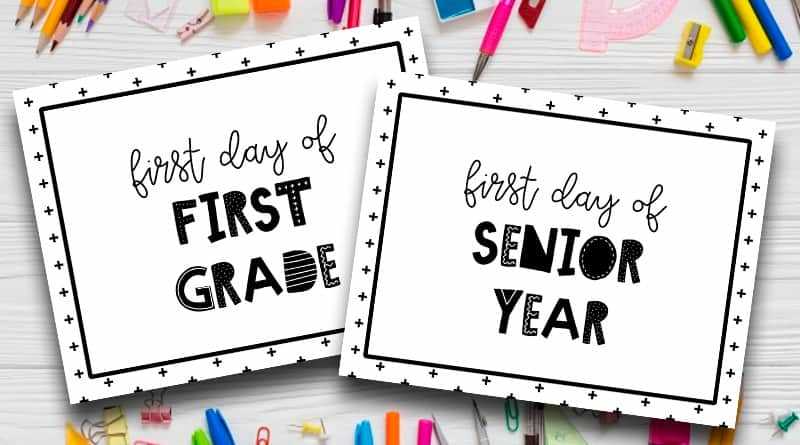
Kickstart the academic year by providing engaging worksheets that students can complete independently or in groups. These activities can include simple puzzles, word searches, or matching exercises designed to introduce the upcoming lessons in a fun way.
By using these resources, teachers can save time while also creating a welcoming atmosphere in the classroom. Tailor the content to the grade level to ensure it is both appropriate and challenging enough to capture students’ attention from the very start.
Incorporate sections that allow children to express their excitement and expectations for the year ahead. This could include short writing prompts or drawings, giving them a creative outlet while reinforcing their connection to the learning environment.
How to Create Fun Activity Sheets for Young Learners
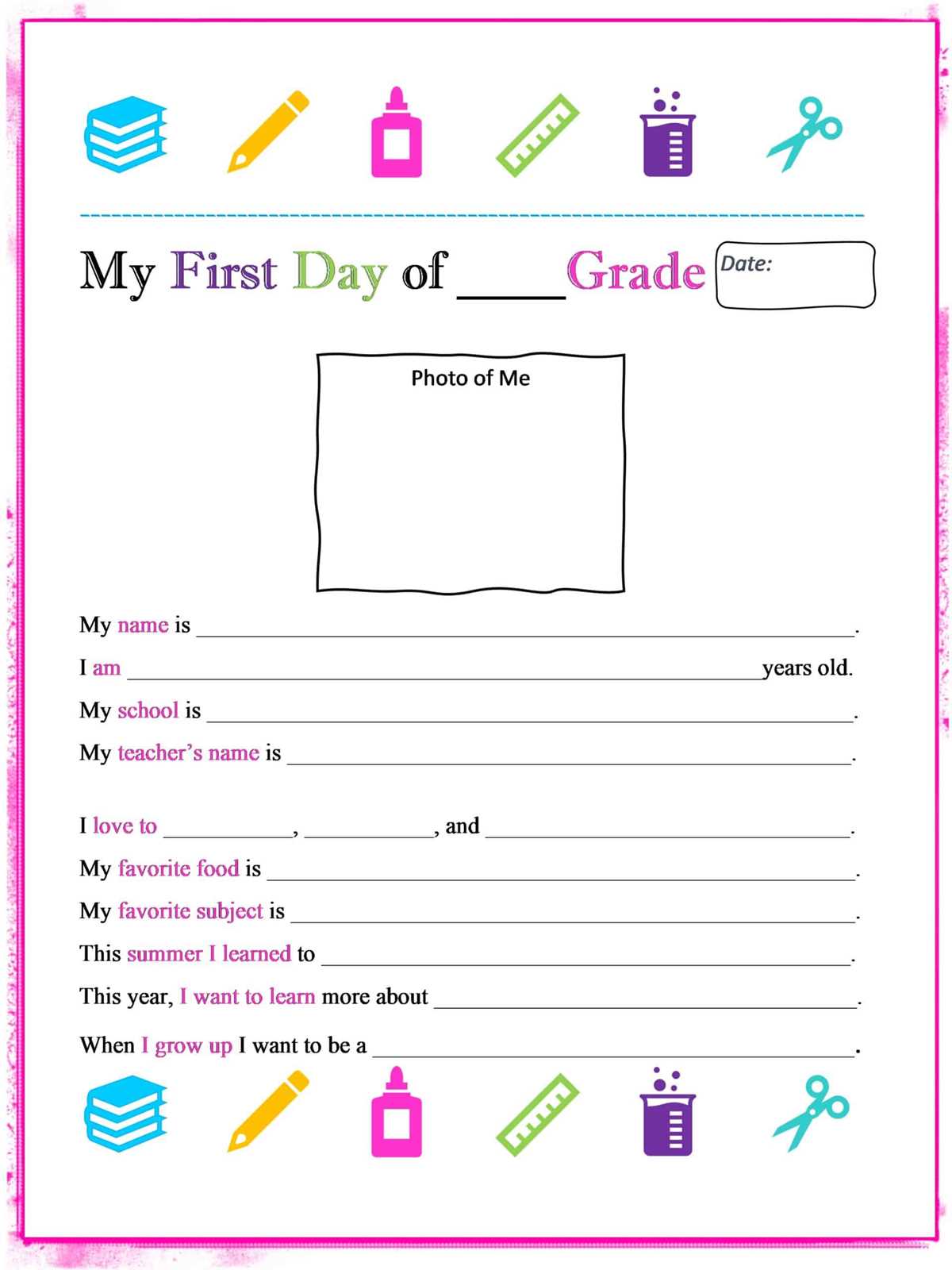
Start by designing worksheets that engage kids with both simple and interactive elements. You can include coloring sections, fun facts, or puzzles that introduce basic concepts in a playful manner.
Focus on using clear visuals and large text, especially for younger age groups. Diagrams or illustrations related to the content can make the activities more relatable and fun.
Consider including a mix of activities, such as word searches, fill-in-the-blank questions, or simple math problems. These should align with the learning objectives of the grade while remaining lighthearted.
Interactive prompts, such as drawing or creating a “favorite things” list, allow children to personalize the worksheet. This not only makes the activity enjoyable but also helps them express their interests and emotions.
Incorporate short quizzes or “get to know you” sections. For example, ask children to write or draw about their summer experiences, favorite books, or hobbies. These types of activities build confidence and encourage communication.
Finally, provide a reward at the end of the sheet, like a star or sticker, to encourage completion. Offering recognition helps to make the experience memorable and motivates children to participate actively in future activities.