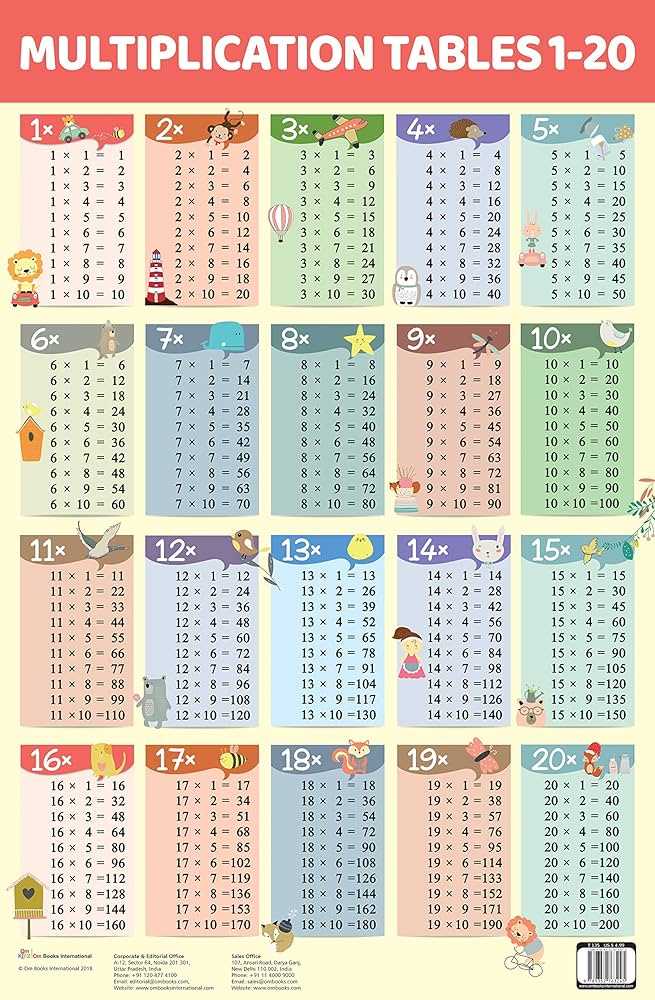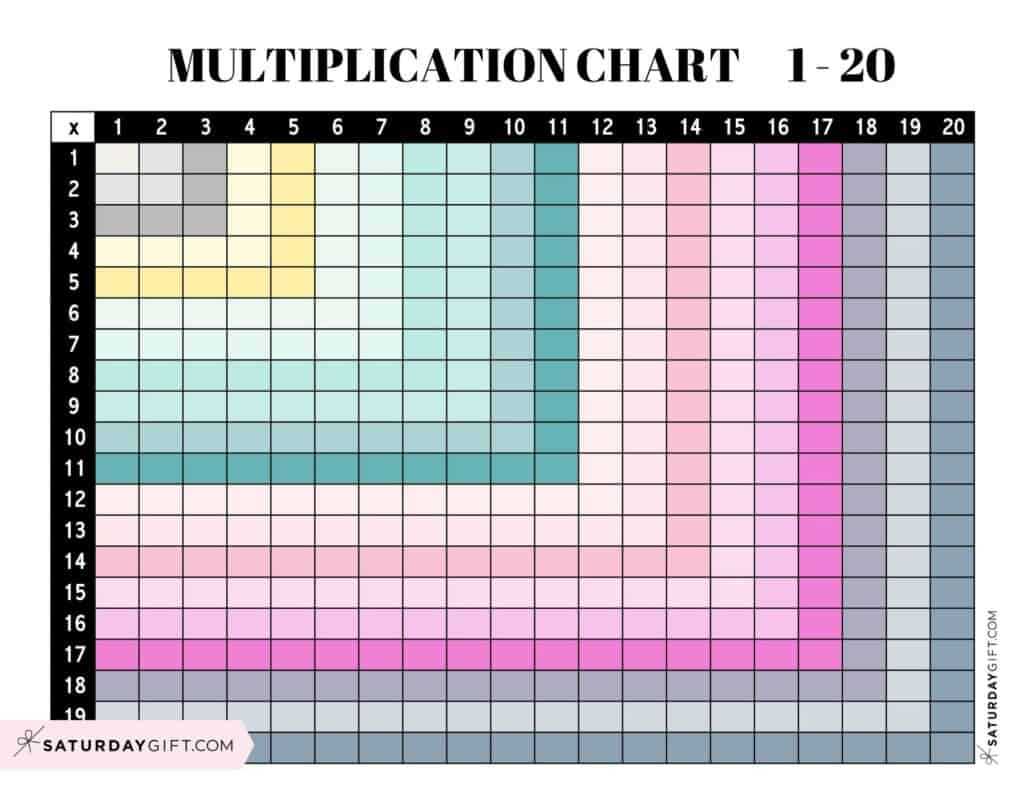
For anyone looking to master basic arithmetic, having a ready reference to times tables can make all the difference. A simple, well-organized table displaying the products of numbers from 1 through 20 is a must-have tool for students, teachers, and even adults looking to refresh their skills. This visual aid allows learners to quickly spot patterns and connections between numbers, making the learning process smoother and faster.
By printing out a reference sheet with these calculations, you can reduce the time spent searching for answers during practice. It’s an excellent tool for reinforcing number fluency, especially for younger learners. With consistent use, children can internalize these relationships and recall them instantly during tests or daily activities.
Such a printable reference is highly flexible. Whether you need it for classroom instruction, homeschooling, or self-study, it’s a straightforward way to enhance number comprehension. By integrating it into daily practice, students can build confidence and proficiency in no time.
Multiplication Table for Easy Reference
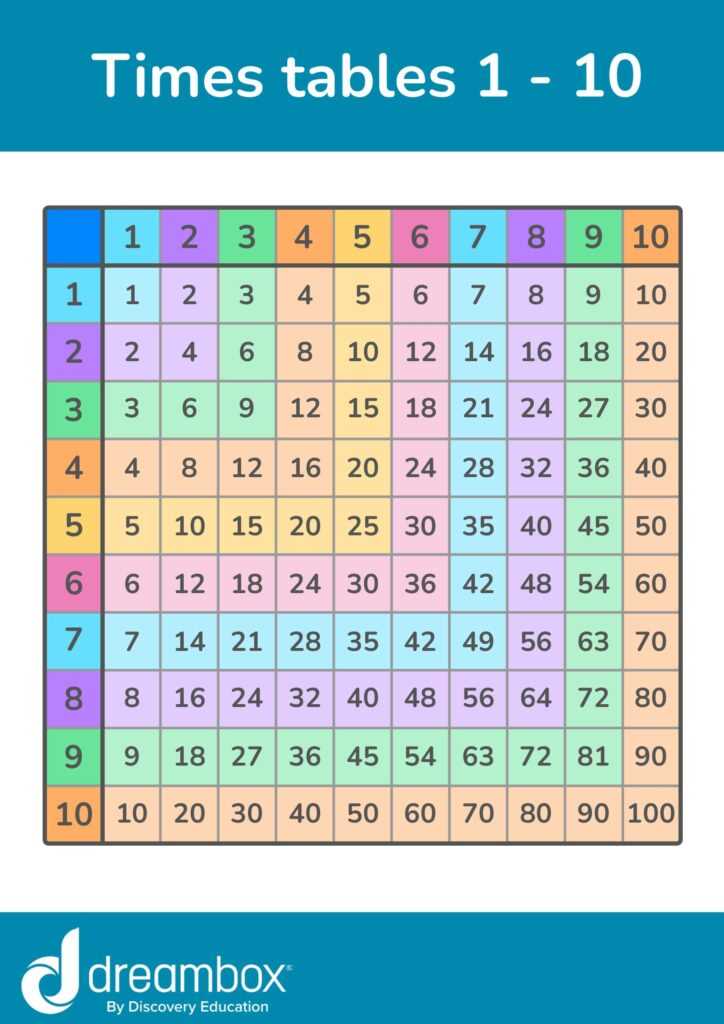
Using a multiplication table from 1 to 20 helps students quickly memorize products, which is beneficial for performing mental calculations. It’s helpful to print and display this reference near study areas to reinforce learning during practice sessions.
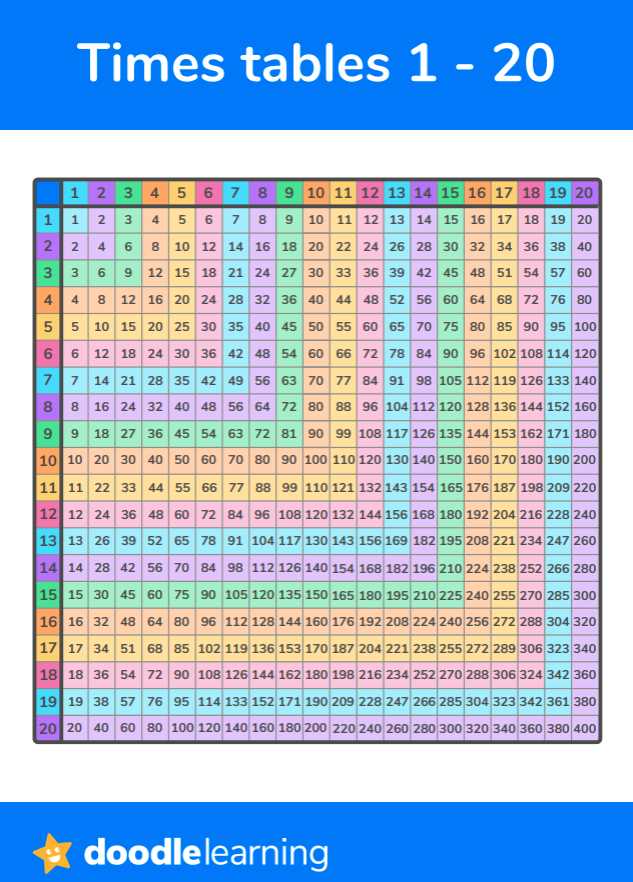
To make the most of this tool, focus on one number at a time. Start by mastering the table for smaller numbers (1-5), then gradually move to higher values. This approach keeps the process manageable and less overwhelming.
Consider marking the most common or tricky products with a highlighter. For example, products involving 12, like 12 x 13, can be a challenge for many learners, so highlighting these can serve as a reminder to focus on them during practice.
For faster retention, challenge students to fill in missing numbers from the table. Leaving some cells blank and asking them to recall the value based on their existing knowledge can help reinforce their understanding and enhance memory.
Another useful strategy is to group certain rows or columns. For example, all multiples of 5 (5, 10, 15, 20) appear in one column, making it easier to recognize patterns. This method builds connections between different products, boosting overall efficiency.
Lastly, having a printed copy allows students to access this tool offline. Whether they are in a classroom, at home, or traveling, keeping a physical reference makes it easier for quick revision at any time without needing internet access.