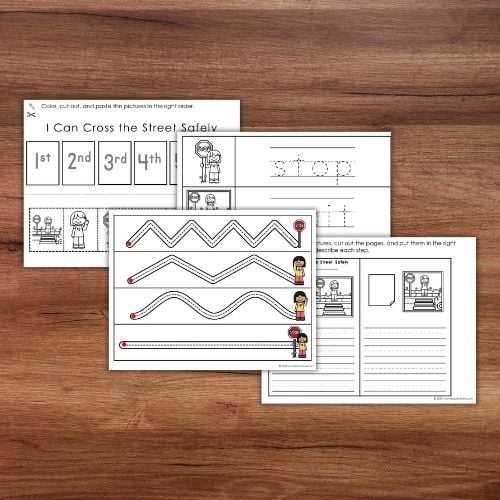
To enhance a child’s cognitive development, it’s helpful to incorporate activities that challenge their ability to recognize the correct order of events or actions. For young learners, exercises that involve arranging pictures or sentences in the right sequence can sharpen their problem-solving and critical thinking skills. These activities also strengthen memory, language, and comprehension abilities, which are crucial for overall academic growth.
How to Use Activities to Improve Logical Thinking
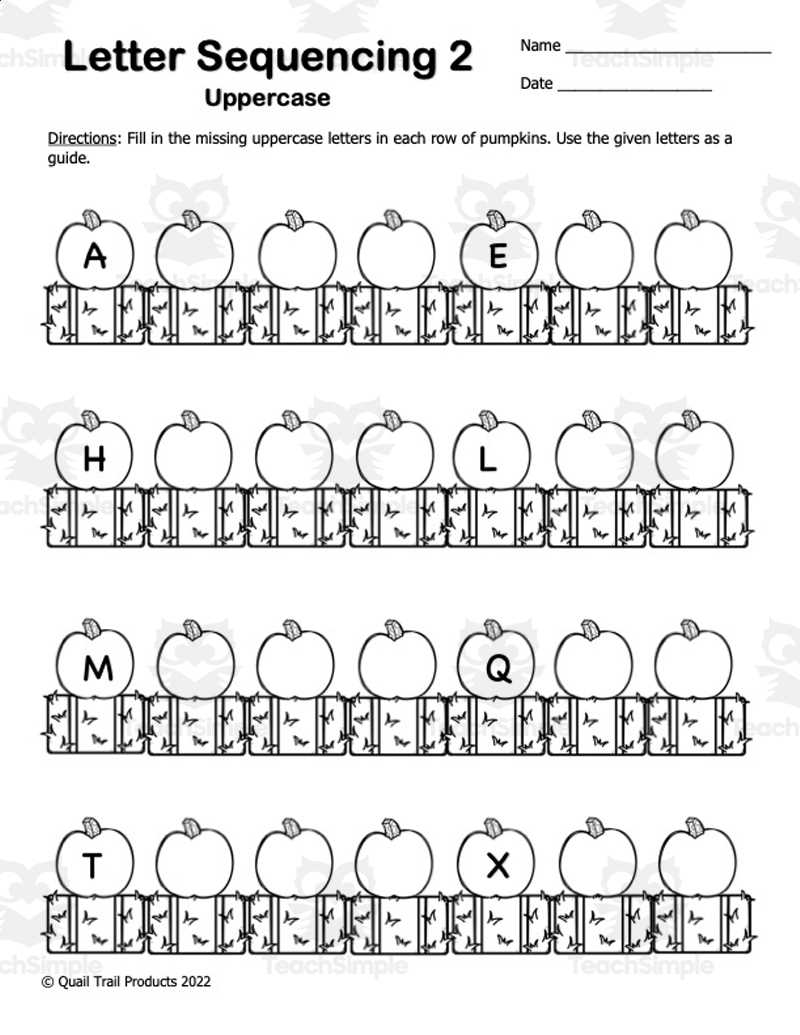
Begin by providing simple activities where children must place objects, events, or actions in a logical order. For example, showing them images of different parts of a daily routine, like brushing teeth, getting dressed, and eating breakfast, will encourage them to understand the concept of sequence. You can gradually increase the complexity by introducing more steps or incorporating a storyline, asking children to identify which event happens first, second, and so on. Activities like this not only improve their understanding of time but also help them make connections between various tasks.
Best Resources for Visual Learning in Early Education
Many printable materials are available that cater to this learning method, featuring various themes such as animals, seasons, or holidays. These worksheets help kids identify the steps in a given process or story, allowing them to match illustrations or words in the correct sequence. To make these exercises more engaging, select resources that use bright, colorful images and simple text. Interactive online platforms can also offer instant feedback, which can help guide young learners and keep them engaged.
To further develop these skills, you can use simple games like “What Comes Next?” where a child is presented with a set of pictures and has to choose which comes next in the series. This kind of hands-on activity can be a fun way to reinforce sequencing concepts in both school and at home.
Activities to Develop Logical Order for Young Learners
One of the most effective ways to help children grasp the concept of order is through hands-on activities. Using pictures of daily tasks like eating, brushing teeth, and going to school, you can ask them to arrange the images in the correct sequence. Start with two or three pictures and gradually increase the number as their skills improve. This type of task not only teaches the concept of steps but also enhances their ability to understand cause and effect.
Another engaging method is through interactive storytelling. Present a simple narrative with images showing different scenes, like a story about a pet cat’s day. The child can then arrange the images in the order they think the events happen. This activity encourages critical thinking and helps them learn to follow a logical structure. You can also ask them questions about the story to improve their understanding and reinforce learning.
Games like “What’s Next?” are a fun way to test their ability to predict and arrange events. Present a set of images where one is missing, and ask the child to fill in the gap with the correct picture. For example, show an image of a person getting out of bed, followed by an image of brushing teeth, and leave out the picture of putting on clothes. The child must choose the correct step to complete the sequence.
Using real-life scenarios can also be beneficial. For instance, take pictures of their morning routine and have them arrange the actions as they would perform them. They could place cards showing waking up, getting dressed, eating breakfast, and going to school. This approach ties abstract learning to their everyday life, making it more relatable and reinforcing their understanding of time management and order.
Additionally, many educational websites and apps offer interactive activities designed to enhance logical thinking. These digital platforms often include games where children need to place items or events in the correct order to solve puzzles or complete challenges. This kind of interactive learning keeps children engaged while helping them practice sequencing skills in an enjoyable and productive way.