Creating Templates for Learning
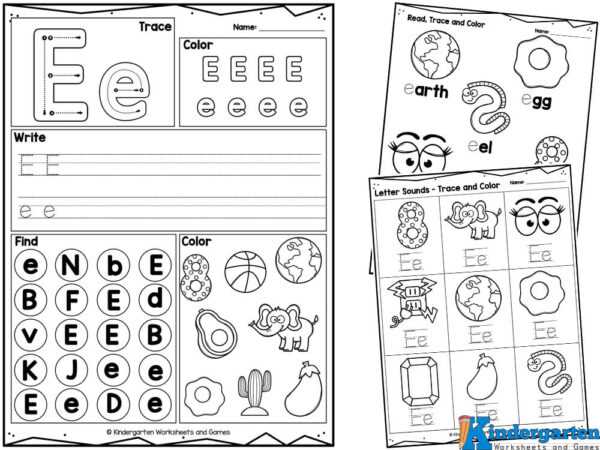
Start by printing out clear and bold examples of the uppercase and lowercase “E”. Use simple fonts like Arial or Comic Sans for easy readability. Keep the outlines thick so kids can trace the shapes without difficulty. You can find these templates online, or create your own using a word processor or design software. Consider providing both plain letters and ones with dotted lines for tracing. This will help children practice their hand-eye coordination as they trace along the lines.
If you’re teaching phonics, add an image of an object starting with the letter “E”, such as an “elephant” or “egg”, next to the character to make it more engaging. This visual connection helps reinforce the letter’s sound and meaning.
Interactive Learning Exercises with the Letter E
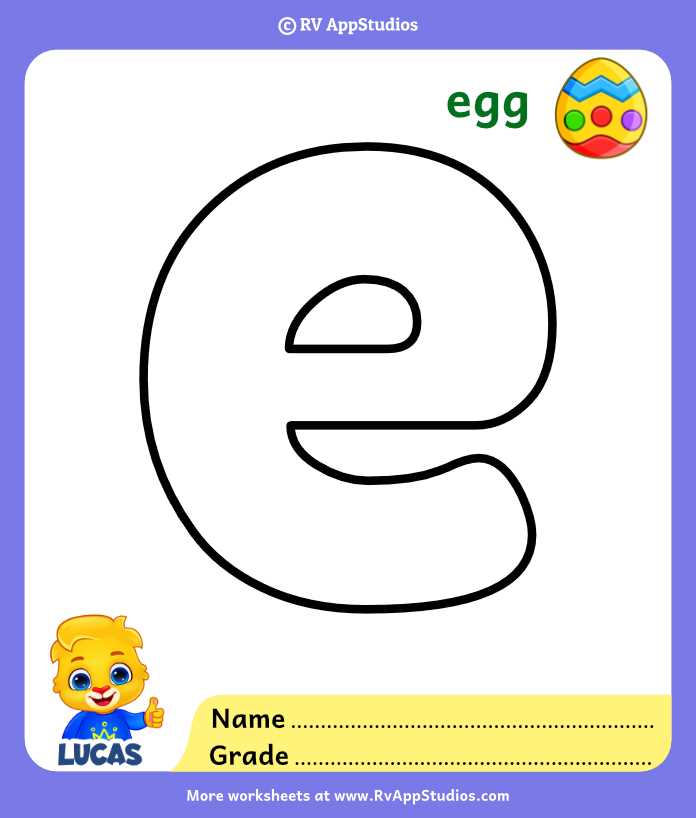
Encourage children to write their own “E” using different materials. Start with a pencil, but allow them to experiment with crayons, markers, or even finger painting for a more tactile experience. This variety keeps the activity interesting and fun while strengthening motor skills.
Set up tracing worksheets for practicing the shape of “E” in various forms: horizontal, vertical, and diagonal lines. This builds familiarity with the letter’s different uses in writing. Consider using worksheets where children can trace the letter in different colors to create a colorful display of the letter “E”.
- Activity Idea: “E” scavenger hunt – ask children to find items in the room that start with “E”, like “eraser” or “envelope”.
- Game Idea: Letter matching game – print multiple copies of the letter and hide them around the room for kids to find and match with corresponding objects.
These exercises will help children not only recognize and write the letter, but also associate it with sounds and words they encounter every day.
Creating an Engaging “E” for Early Learning
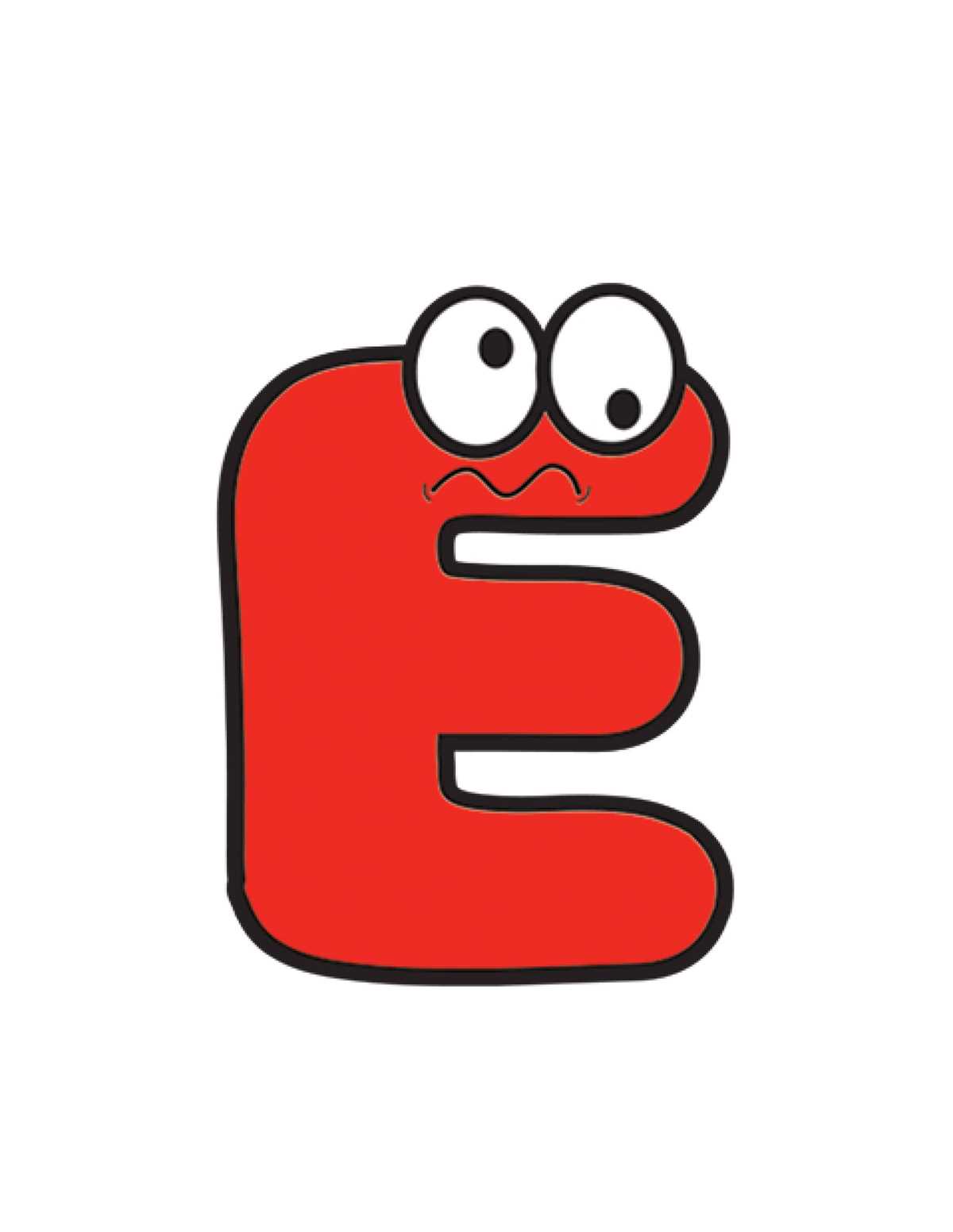
Start by selecting bold fonts like Arial or Comic Sans for maximum clarity. Choose a thick outline style for the “E” to help young learners easily trace it. This also makes the process less frustrating and more fun for kids who are just beginning to recognize characters.
Consider offering both upper and lowercase versions. Children learn to distinguish between the different forms of a symbol when they encounter it in various contexts. Providing both allows them to compare and understand the difference early on.
For a hands-on approach, print multiple copies on sturdy paper. This way, kids can practice tracing, coloring, and even cutting out the shapes. You can also laminate them for reuse, allowing children to practice over and over again while keeping the materials in good condition.
To make it interactive, pair the character with an object that starts with the same sound. For example, print “E” with an image of an elephant or an egg beside it. Associating visuals with phonics reinforces the connection between the shape and sound.
Try using colored pens or crayons. When children trace or color in the shape, it builds fine motor skills. It also adds an element of creativity, keeping them engaged in the task. Allowing them to pick their own colors can also boost their interest.
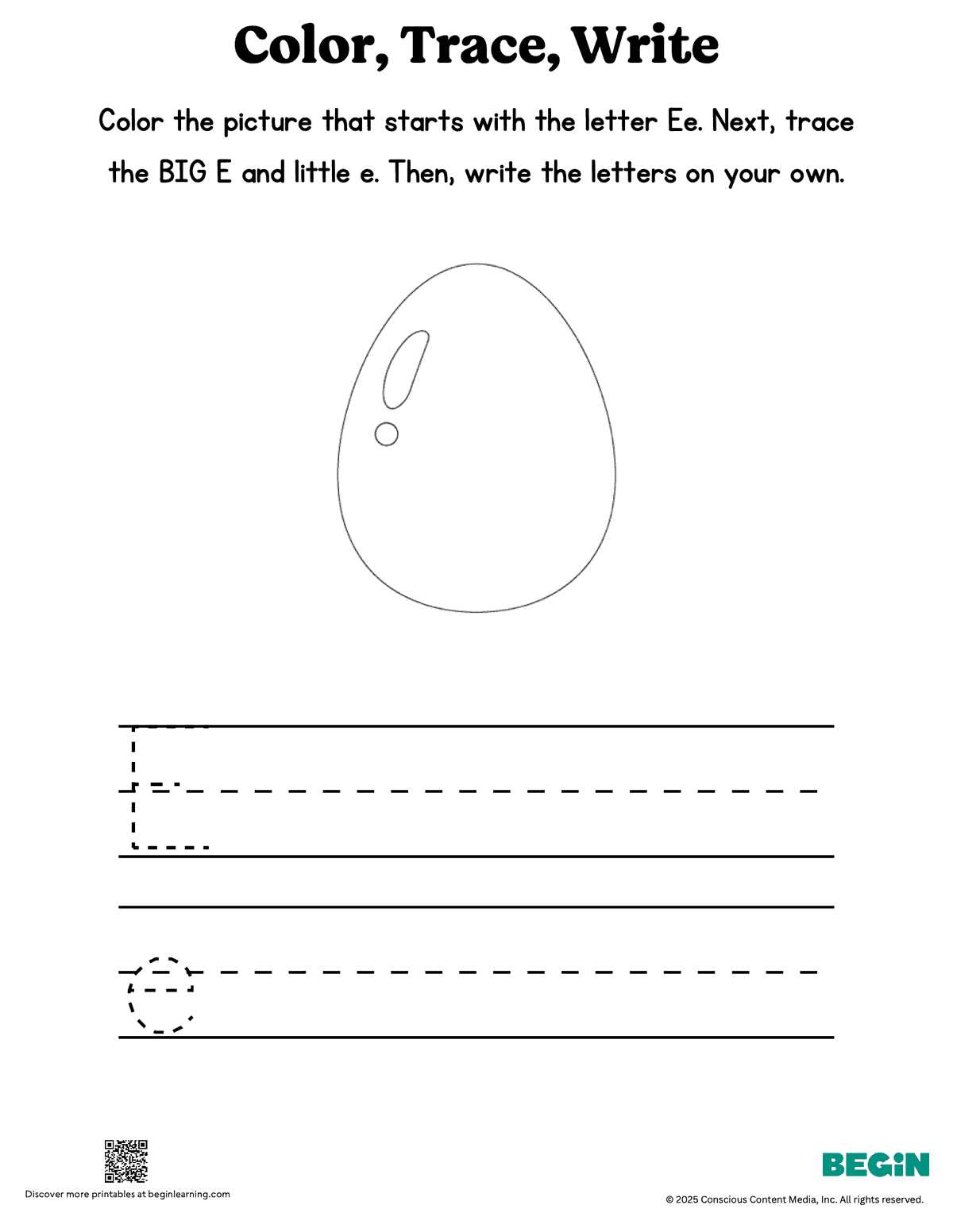
Set up a tracing exercise with a dotted outline of the “E”. The child can trace over the dots, gradually gaining confidence in their writing abilities. This simple task provides both visual and tactile practice, reinforcing muscle memory for writing.
If you’re teaching children phonetic sounds, consider printing multiple variations of the symbol in different sizes. This gives kids the chance to understand that the shape stays the same, even if it appears larger or smaller on the page.
Include a fun activity like a scavenger hunt to reinforce the sound of “E”. Ask children to identify objects in the room that start with “E”. This hands-on approach integrates learning into everyday activities and solidifies their understanding of the symbol’s sound and usage.