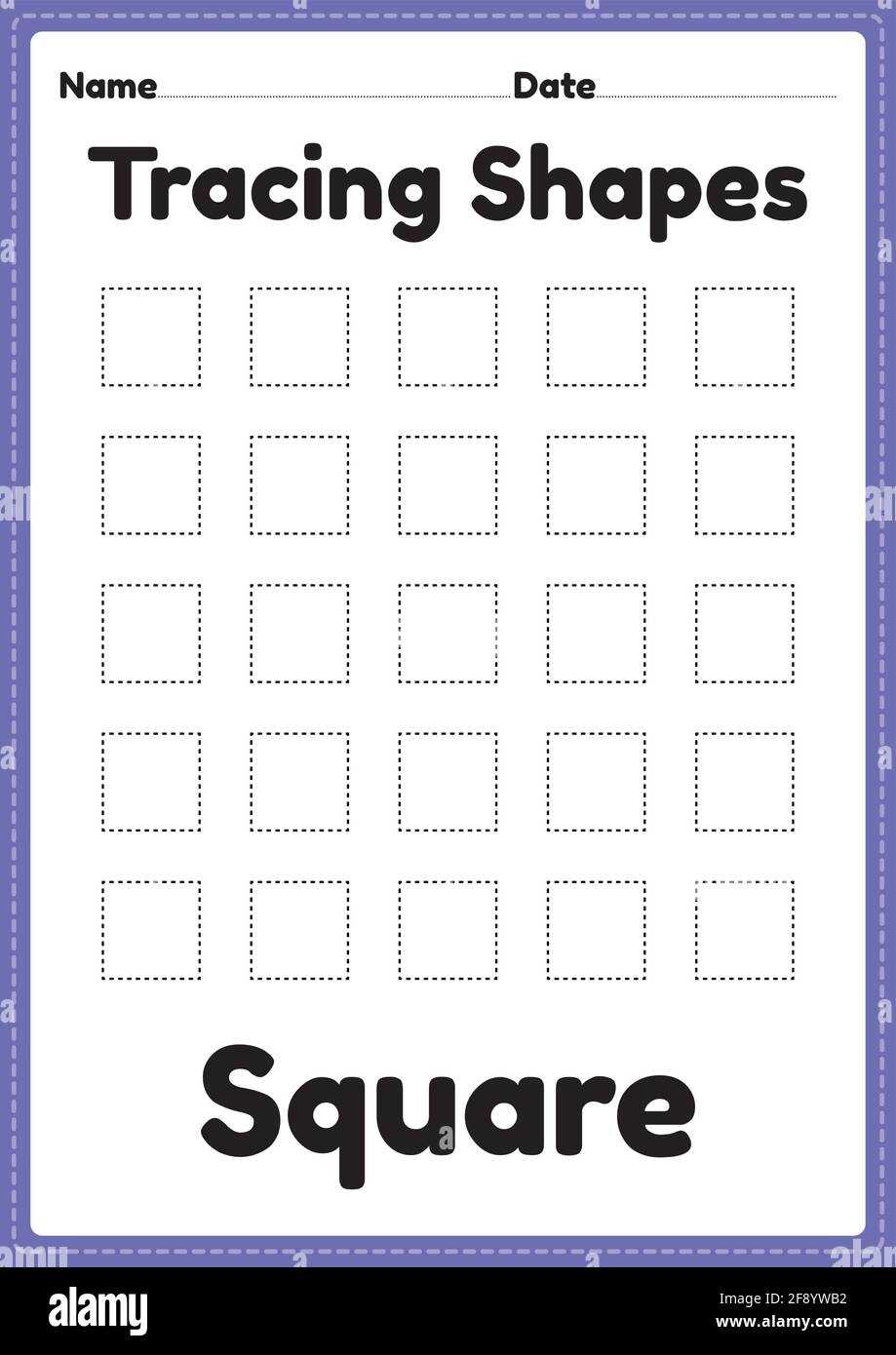
Start by selecting a simple outline of a geometric form. Print it out and use a pencil to trace its edges. By focusing on accuracy, you’ll begin to develop a steady hand and a better understanding of proportions. Repeat the process with different designs, progressively moving to more complex figures as you gain confidence.
Use a variety of materials to make the experience engaging. For example, start with a soft pencil for clean lines and gradually try markers for bolder outlines. This exercise not only helps with hand-eye coordination but also increases familiarity with spatial relationships in visual art.
Practice consistently to improve your precision. As you get more comfortable, try tracing more intricate patterns, like organic forms or objects from nature. Each exercise contributes to fine-tuning your ability to draw freely without relying on stencils.
Guided Practice for Mastering Basic Geometry for Kids
Start with simple figures like circles and squares. These are foundational and can be mastered in a short amount of time. For younger learners, begin with large outlines to help them gain confidence in controlling their pencils.
Use dotted lines to aid in following the contours of each figure. This method allows the student to focus on structure without being distracted by the need for precision right away.
As your child becomes more comfortable, gradually reduce the size of the figures. Smaller outlines challenge their motor skills and offer a more detailed approach to drawing. This will improve their hand-eye coordination.
Introduce diverse types of angles and curves to move beyond simple circles and squares. Triangular, oval, and star-shaped figures add variety and increase difficulty. Mixing these can help develop versatility in drawing.
- Circles and squares: Begin with large, easy-to-follow shapes.
- Triangles and ovals: Progress to more angular and curved structures.
- Complex designs: Add intricate patterns to challenge precision and control.
Another effective technique is using a variety of line weights. Thin lines allow children to focus on shape recognition, while thicker lines offer more control over accuracy.
Reward consistency in practice. While it’s important to correct mistakes, encouraging improvement with praise boosts self-esteem. Keep sessions short and fun to avoid frustration and keep attention high.
Lastly, provide a mix of designs for different skills. Basic shapes should be followed by more elaborate compositions that include a combination of circles, squares, and angled figures for a well-rounded development of drawing skills.
Choosing the Right Paper for Tracing Shapes
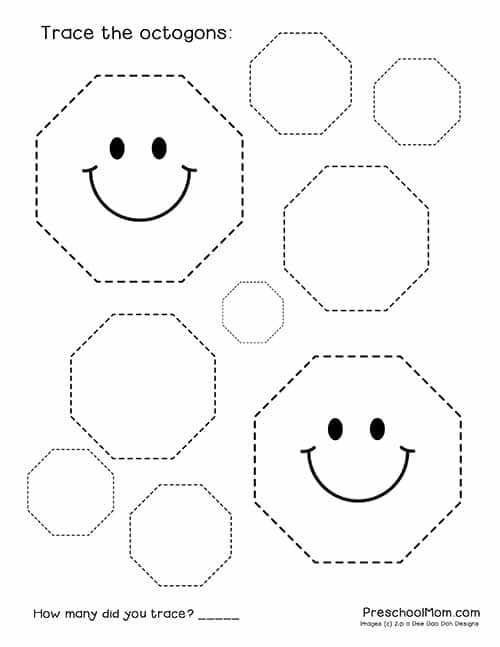
Use smooth, medium-weight paper with a slightly translucent texture for better clarity and ease. A 70-90gsm sheet works well for detailed outlines, allowing you to see through without compromising stability. Avoid overly thick paper, as it may cause difficulty in maintaining control of your pencil or pen during the outlining process.
Opt for papers designed for sketching or light drawing. These typically offer a balance between firmness and flexibility, ensuring the lines stay crisp while still being easy to trace over. Papers that are too rough may distort the transfer, while those that are too glossy might not absorb ink or pencil as effectively.
If you’re working with heavier mediums like markers or colored pencils, choose a thicker paper (90-120gsm) to prevent bleed-through. In contrast, for fine details and precision, lighter sheets (50-60gsm) will make the transfer process more accurate, as the surface is smoother and easier to handle. Always test the paper with your preferred medium before starting your project to ensure the best results.